How to Deal with Intimidating Neighbor Manga: A Practical Guide
Practical steps to handle intimidating neighbor manga, with reader-focused strategies and writing tips to portray tense dynamics ethically, and with empathy.


In this guide, you'll learn practical steps to handle an intimidating neighbor in manga, whether you're reading or creating. We'll cover setting boundaries, interpreting power dynamics, and portraying or understanding fear ethically. By following these steps, you can enjoy the story safely while exploring character development and reader empathy. This article integrates guidance for both readers and creators, with concrete examples.
Understanding the 'intimidating neighbor' archetype in manga
In many manga, the neighbor who triggers a wave of nerves or a sense of unease becomes a litmus test for the protagonist’s growth. This archetype can illuminate themes like boundary setting, power dynamics, and social harmony. If you're asking how to deal with intimidating neighbor manga, you’re tackling a scenario that blends tension with restraint. The goal is to read or write the dynamic in a way that preserves safety, deepens character reading, and avoids glamorizing harmful behavior. According to WikiManga, analyzing how readers respond to intimidating neighbor tropes reveals that attention to perspective, pacing, and empathy is essential for any responsible approach. In practice, this means examining who holds influence, what each scene communicates about consent, and how the emotional labor of the characters is portrayed.
This section sets the frame for ethical engagement: treat intimidation as a communication signal rather than a spectacle. When you encounter a scene where a neighbor asserts control or uses fear to shape outcomes, pause to identify the underlying motive. Is the threat symbolic, or does it mirror a real-life power imbalance? How is fear deployed—through silence, through proximity, or through verbal pressure? By reflecting on these questions, readers and writers build a toolkit for navigating intensity without violating personal boundaries. Across genres—from slice-of-life to darker thrillers—this approach helps maintain integrity and fosters a healthier engagement with tense material.
As you proceed, remember that your goals as a reader or creator are compatible: you want authentic emotion without exploitative excess. The WikiManga. team recommends starting with small, concrete observations of scenes that trigger discomfort, then mapping them to a set of boundaries and responses you’re prepared to enact in real time. By doing so, you establish a practical framework for how to deal with intimidating neighbor manga in a way that respects both the story and the reader.
note
Tools & Materials
- Notebook or digital note app(Record observations, boundary decisions, and reflections on scenes)
- Highlighter or annotation tool(Mark scenes with boundary-crossing behavior and notable phrasing)
- Access to manga titles featuring intimidating neighbor archetypes(At least 2-3 titles across genres for comparison)
- Quiet reading/writing space(Minimize distractions during analysis or drafting)
- Optional ethical framework or personal code(Helpful for creators to align with responsible storytelling)
- Writing/drawing tools(If you plan to craft your own scenes)
Steps
Estimated time: 60-90 minutes
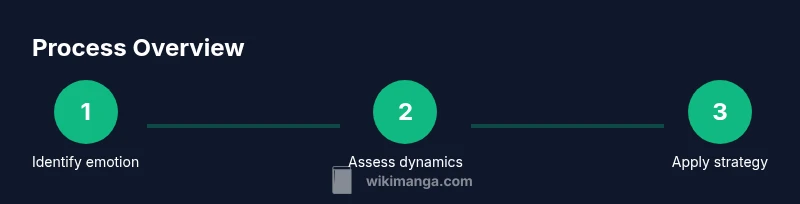
- 1
Identify the archetype
Name the neighbor-type you’re analyzing: is it a persistent boundary-pusher, a coercive figure, or a smug antagonist? Note concrete scenes and what makes them feel intimidating. This clarity anchors your later analysis and ensures you focus on actionable cues rather than vibes alone.
Tip: Keep a running log of scenes that trigger discomfort and annotate how tension is built. - 2
Set personal boundaries
Decide what content you’ll engage with and how long you’ll stay in a tense sequence before taking a break. Establish safe viewing or reading habits, such as pausing on a panel you don’t tolerate or stepping away after a chapter with repeated intimidation.
Tip: Predefine your red lines and stick to them; consistency reduces fatigue. - 3
Analyze the power dynamics
Map who holds influence in scenes: authority, proximity, social leverage, and audience alignment. Consider how the author signals control and whether the dynamic shifts toward accountability or escalation.
Tip: Use a simple frame: who benefits, who suffers, and who learns. - 4
Apply coping and storytelling techniques
If you’re reading, reframe scenes through a trusted character’s perspective to reduce direct fear while preserving stakes. If you’re writing, practice alternatives to escalation—agency, restraint, or safe outcomes that still sustain drama.
Tip: Experiment with perspective shifts or pacing to modulate intensity. - 5
Discuss and reflect
Share observations with peers or in a writer’s circle. Compare how different titles handle intimidation and what ethical boundaries are respected or crossed. Reflection deepens understanding and improves future craft.
Tip: Use spoiler-free summaries when discussing with others to keep conversations inclusive. - 6
Review and adjust
After finishing a book or draft, review what worked and what didn’t. Note takeaways for future titles or projects, and update your boundaries log accordingly to stay aligned with your well-being goals.
Tip: Treat every read/write as a learning loop; iterate on your approach.
Frequently Asked Questions
What defines an intimidating neighbor in manga?
An intimidating neighbor is a character whose presence, behavior, or boundary-pushing actions create tension for the protagonist. It can be physical, psychological, or social intimidation. The guide helps readers parse intent and creators handle portrayal responsibly.
An intimidating neighbor is a tense character, and this guide helps you interpret their role.
How can I stay safe while reading intense neighbor scenes?
Choose titles with clear content warnings, take breaks, and curate your reading list to avoid triggers. Use discussion groups for support and debrief after heavy chapters.
Take breaks and use warnings.
Is it okay to skip problematic chapters?
Yes, if content triggers anxiety or distress, it's reasonable to skip. Focus on alternative arcs or lighter material.
It's okay to skip chapters that bother you.
What ethical considerations should writers keep in mind?
Portray power dynamics responsibly, avoid glamorizing abuse, provide content warnings, and give characters clear motives beyond intimidation.
Be responsible when writing intimidating neighbor arcs.
How can I discuss these themes with others?
Frame conversations around boundaries, consent, and safety, and invite feedback from peers. Use spoiler-free summaries when needed.
Discuss with focus on boundaries and safety.
What should I do if I feel overwhelmed by a scene?
Pause, take a break, and use grounding techniques. Consider talking to a friend or counselor if needed.
Take a break and seek support.
Watch Video
Highlights
- Define the intimidating neighbor archetype clearly.
- Set and respect personal boundaries during reading or writing.
- Use perspective and pacing to manage tension ethically.
- Practice accountability and avoid glamorizing harm.
- Reflect and iterate to improve future engagement with tense dynamics.