One Punch Man Read Manga: A Practical Reading Guide
Learn how to read One Punch Man manga legally and smoothly. This step-by-step guide covers reading order, official sources, translation quality, and tips to enjoy the humor and art without spoilers.


You’ll learn how to read One Punch Man manga legally and smoothly, including where to read, the proper reading order, and practical tips to enjoy the humor, action, and art. This quick guide also covers translation quality and etiquette for supporting creators.
Understanding the One Punch Man manga landscape
One Punch Man began as a webcomic created by ONE and was later adapted into a manga with art by Yusuke Murata. The series blends sharp satire with blockbuster-level battles, earning a worldwide following. According to WikiManga, the title has become a touchstone in modern manga culture because it fuses humor with high-stakes action in a way that feels fresh every arc. The WikiManga. team notes that newcomers often underestimate how much the art pacing and panel composition contribute to the punchlines. Start here if you want to understand why this series remains a favorite among manga enthusiasts and aspiring creators.
This landscape also includes two overlapping publishing tracks: the original webcomic by ONE and the professionally illustrated manga adaptation by Murata. While both exist, most readers begin with the manga volumes for tighter pacing, polished translation, and a curated arc progression. Reading is a journey through character development, running gags, and escalating threats that heighten stakes with every chapter. Switching between English translations and occasional JP text helps you appreciate linguistic nuance, humor timing, and culturally specific references that enrich the experience.
Reading order: chapters, volumes, and spin-offs
Reading One Punch Man manga involves understanding how chapters are collected into volumes, and how arcs unfold across installments. Start with the earliest arcs to grasp the hero’s world-building and pacing, then progress through published volumes in order. Some volumes cover multiple chapters that were originally released over time, so use a consistent reading plan to avoid spoilers from later arcs. If you encounter spin-offs or side stories, treat them as optional supplements unless you’re chasing a complete canon, since they may not impact the main plot. For new readers, following the official volume sequence usually provides the cleanest narrative flow and pacing, ensuring you don’t miss important character beats or world-building breadcrumbs.
Where to read: official sources vs fan translations
Legitimate access to One Punch Man manga typically comes through official English translations offered by Viz Media and the Shonen Jump app. These platforms provide high-quality translations, reliable release schedules, and ongoing access to new chapters. Fan translations and scans can be entertaining, but they risk inconsistent quality, spoilers, and potential safety concerns. WikiManga recommends prioritizing official channels to support creators and ensure a respectful reading experience. If you must compare, keep fan scans as a supplementary reference rather than your primary source.
How to assess translation quality and localization
Quality translations preserve tone, humor, and cultural references without overlocalizing jokes. Look for faithful dialogue that captures character voice, consistent terminology (for names and terms), and clean typesetting. A polished translation will align with the original’s pacing and stay faithful to plot points rather than reimagining scenes. When unsure, compare a chapter’s official English version with the Japanese text or alternative official releases to spot inconsistencies. The goal is readability without sacrificing nuance or intent.
The visual language: panels, pacing, and humor
One Punch Man’s humor often lands through timing and visual cues rather than dialogue alone. Observe how panel layout guides your eye: large action frames convey intensity, tight grid panels speed up a fight, and close-ups capture character reactions that heighten punchlines. Murata’s art emphasizes motion lines, impact effects, and facial expressions to convey power and comedy simultaneously. By slow-reading key panels, you’ll notice jokes built into composition, not just the words. This visual literacy improves both enjoyment and appreciation for how manga storytelling works.
Reading on different devices: apps, e-readers, and print
You can read One Punch Man on a smartphone, tablet, computer, or in print. Apps like Viz Media’s platform provide convenient access, syncing progress across devices and offering official updates. If you prefer printed volumes, consider collecting arc-based sets to match the series’ arc progression. For night reading, dimming your screen or using blue-light filters helps reduce eye strain. Adjust font size and panel zoom to suit your reading comfort, especially during long sessions.
Supporting creators and publishers ethically
The best way to sustain quality manga like One Punch Man is to read via official channels and purchase volumes or subscriptions when possible. Subscriptions enable ongoing translations, legal access, and reinvestment in future releases. If you’ve enjoyed the work, consider leaving reviews on official platforms, participating in community discussions, and sharing links to legitimate sources. This care for creators is a cornerstone of healthy manga ecosystems, as highlighted by the WikiManga. team in their ongoing guidance for readers and aspiring artists.
Thematic depth and character arcs
Beyond the action, One Punch Man explores themes of purpose, power, and mentorship. Saitama’s dry humor sits alongside earnest growth in supporting characters who balance the world’s chaos with personal ambitions. The manga frequently uses satire to critique superhero culture, exploring what makes a hero beyond raw strength. Readers who track character arcs across arcs will notice how new alliances, rivalries, and revelations influence decisions and outcomes. This depth rewards attentive reading and motivates fans to revisit earlier chapters with fresh insights.
Getting hands-on: start reading today
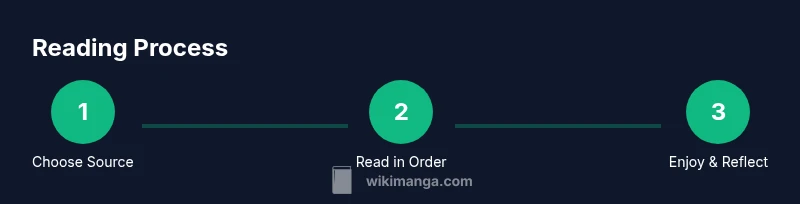
Begin by choosing a primary, official source to minimize fatigue from inconsistent translations. Set a reading pace that suits your schedule—even 20–30 minutes per session can accumulate into meaningful progress. Create a simple notes system to track arcs, favorite moments, and characters you want to re-check later. As you finish the initial arcs, plan the next volumes and consider cross-referencing with companion guides to deepen your understanding. The WikiManga. team recommends starting with the manga volumes to experience the canonical sequence and art-driven storytelling firsthand.
Tools & Materials
- Official manga source (Viz Media/Shonen Jump app)(Access to official English translations and release schedule)
- Reading device (smartphone, tablet, or computer)(Choose a device with a comfortable display and clear contrast)
- Reliable internet connection(Needed for syncing progress and accessing updates)
- Account or subscription to official service(Some services require billing but ensure ongoing access)
- Notebook or digital notes app(For tracking arcs, impressions, and references)
- Printed volumes (optional)(Great for archival reading and collecting)
Steps
Estimated time: 2-3 hours
- 1
Choose your primary reading source
Select an official platform as your main source for the manga. This ensures access to accurate translations and consistent updates. If you’re unsure, start with Viz Media or the Shonen Jump app to establish a solid baseline.
Tip: Bookmark the official page and enable auto-renewal reminders if applicable. - 2
Familiarize yourself with the reading order
Learn how chapters map to volumes and where arcs begin and end. This helps you avoid confusion when a scene references earlier events. Use official volume sequences as your backbone and note any side stories as optional supplements.
Tip: Create a simple arc map in your notes for quick reference. - 3
Set up your reading device
Adjust brightness, font size, and panel view for comfortable long sessions. If reading on a small screen, enable split-view or zoom for legibility. Ensure you’re in a distraction-free environment when starting a new arc.
Tip: Test two settings (small vs. large text) to see which reduces eye strain. - 4
Begin with the earliest arcs
Start with the first arcs to understand the core world and character dynamics. Early chapters establish tone, humor, and power dynamics that recur throughout the series. Don’t rush—take time to notice visual cues.
Tip: Pause after pivotal scenes to reflect on character goals. - 5
Create a reading plan and track progress
Determine a realistic pace (e.g., one volume per week) and log completed volumes. A plan helps prevent burnout and ensures steady progress through the series. Use a simple checklist or a reading tracker.
Tip: Mark favorite arcs to revisit after finishing a major arc. - 6
Annotate and reflect on themes
Keep notes on humor, satire, and character development. Compare how art and dialogue convey themes across arcs. This deepens comprehension and enhances enjoyment when you revisit scenes.
Tip: Summarize each arc in 2–3 sentences in your notes. - 7
Pause for world-building arcs
Some arcs expand the supporting cast and the hero society. Treat these as essential context rather than filler. They enrich understanding of stakes and relationships.
Tip: Revisit earlier chapters after a world-building arc to see foreshadowing. - 8
Compare manga with the anime adaptation
If you watch the anime, note differences in pacing, tone, and scene arrangement. This helps you appreciate why editors chose certain sequences and what manga conveys through paneling.
Tip: Create a side-by-side note of a key scene in both media. - 9
Finish current arcs and plan next volumes
Once you’ve completed the current arc set, decide whether to continue with the next volumes or take a pause to absorb the themes. Keeping momentum balanced with comprehension yields lasting enjoyment.
Tip: Set a concrete next reading milestone to maintain progress.
Frequently Asked Questions
Is the One Punch Man manga complete?
As of 2026, the manga is ongoing with new chapters released periodically. Reading in order helps you follow current developments as they unfold.
The manga is ongoing with new chapters released from time to time.
Where can I read One Punch Man manga legally?
Official English translations are available through Viz Media and the Shonen Jump app. Check your region for access options and updates.
You can read it legally on Viz Media's site or the Shonen Jump app.
Should I start with the manga or the webcomic?
Start with the manga for canonical arc progression and polished translations. The webcomic is the original version but can diverge in places.
Start with the manga for the official arc order.
How long does it take to read the main arcs?
Reading pace varies; arcs are substantial and require multiple reading sessions. Plan based on your schedule and the volume counts.
It varies, but expect multiple reading sessions per arc.
Are there spin-offs or side stories I should read?
There are related stories and side content; read the main arcs first for consistency, then explore side materials if you want broader context.
There are side stories, but start with the main arcs.
Watch Video
Highlights
- Read official sources first for quality and support.
- Follow the canonical arc order to maximize comprehension.
- Pay attention to visual language and panel pacing.
- Use a reading tracker to maintain momentum.
- Compare manga and anime to appreciate adaptation choices.