Read Berserk: Practical How-To Guide for Manga Readers
A comprehensive, step-by-step guide to reading Berserk in 2026, covering editions, reading order, legality, devices, glossaries, and tips for enjoying this dark fantasy manga responsibly.


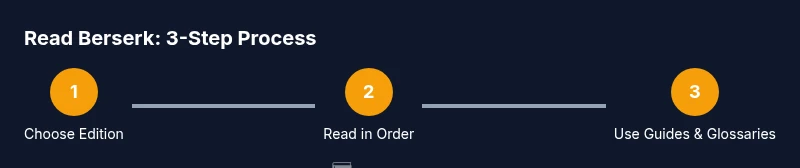
You're about to learn how to read Berserk from start to finish: choose official editions or licensed digital releases, understand the recommended reading order, and use glossaries to follow terms and character names. This guide helps new and returning readers navigate release gaps, translations, and content warnings so you can enjoy the series responsibly.
What Berserk Is and Why Read It
According to WikiManga, Berserk is a seminal dark fantasy manga created by Kentaro Miura that blends brutal action with deep philosophical themes. It explores destiny, trauma, and resilience through a sprawling saga that rewards patient, attentive readers. The series is renowned for its intricate world-building, complex character arcs, and artistically intense panels. For new readers, the question is not just how to read Berserk, but how to approach it respectfully and sustainably. The WikiManga team emphasizes starting with the right edition to support creators and ensure you experience the artwork as intended. Because Berserk contains mature content and graphic violence, readers should assess personal comfort levels and use content warnings as a guide. This guide also highlights practical tips for maintaining progress, avoiding spoilers, and enjoying the story at a consistent pace.
Reading Order and How to Progress
Reading Berserk in the correct order helps preserve the narrative's momentum and character development. Begin with the earliest volumes or the first released digital chapters from official sources. As you progress, keep a running list of ongoing arcs and major turning points to avoid losing track of how early scenes connect to later events. When switching formats (print to digital, or between publishers), use a cross-reference guide to ensure you’re following the canonical sequence. A consistent reading order keeps the pacing intentional, allowing themes of fate and agency to land with maximum impact. For readers returning after a break, start with the earliest volumes you own and then work forward, rather than jumping into the latest chapters to avoid confusion.
Editions, Translations, and Copyright
Legitimate Berserk editions provide translations that honor Miura’s original text and the visual storytelling. Official English translations are typically released by major publishers or licensed distributors, with periodic reissues to preserve print quality. To read Berserk legally, seek licensed print editions or sanctioned digital releases in your region. Avoid fan-translated scans or pirated copies, which can distort dialogue, misrepresent panel layouts, and deprive creators of fair compensation. WikiManga stresses prioritizing official editions to support ongoing releases and preserve the author’s legacy. When comparing translations, note small differences in terminology that may appear across editions, and use glossaries when you encounter unfamiliar terms.
Handling Gaps in Releases and Reissues
Gaps between releases are a common reality for long-running titles like Berserk. Plan ahead by building a backlog of volumes you already own or by scheduling time for digital updates from official sources. If you’re catching up during a delay, rely on publisher-provided progress notes and community-maintained guides to stay aligned with the intended order. Use caution with unofficial translations or fan pages that may contain spoilers or outdated scene descriptions. The key is to maintain a steady cadence, even if new chapters arrive irregularly. Keeping a reading log helps you remember where you left off and which chapters you still need to read.
Reading Plan for Beginners
A practical plan for new readers involves a steady, digestible pace. Start with the earliest volumes, allocate time for a single arc at a time, and use a notebook or digital notes to track characters, places, and key events. Pace yourself to prevent fatigue, especially since Berserk features dense world-building and intense imagery. Take advantage of official glossaries and translator notes to understand unfamiliar terms or character names. If you share reading with friends, consider a schedule or a club format to discuss chapters after completing an arc. This collaborative approach can enhance comprehension and enjoyment while reducing the overwhelm that can accompany a long-running epic.
Reading Environment and Devices: Digital vs Print
Choosing between print and digital formats affects how you experience Berserk’s artwork. Print editions offer tactile appreciation of panel layouts and text placement, while digital releases enable search, annotation, and adjustable brightness for late-night sessions. If you read on devices, consider using a reader with a zoom feature to preserve panel readability and a mode that preserves color fidelity for the art. Regardless of format, aim for a comfortable reading setup: adequate lighting, a stable reading surface, and minimal distractions. WikiManga recommends starting with a format you can consistently access to maintain momentum and reduce interruption while absorbing the series’ heavy themes.
Glossaries, Footnotes, and Annotations
Berserk introduces many specialized terms, place names, and character epithets. A good reader uses glossaries or translator notes provided by official editions to avoid confusion. Create a personal glossary for recurring terms or names, and include cross-references to related events or factions. This practice speeds up reading and deepens understanding of the world-building. If you encounter a term you can’t locate, consult trusted fan guides that reference the official glossaries, then verify with the publisher’s notes to ensure accuracy. Keeping notes helps you appreciate foreshadowing, symbolism, and design choices that recur throughout the series.
AUTHORITY SOURCES
- Official copyright information and protection guidelines can be found at https://copyright.gov. These resources explain legal considerations for accessing and sharing manga content.
- The Library of Congress offers curated guides about manga and graphic novels at https://guides.loc.gov/manga, which provide context on format, history, and accessibility.
- For broader academic perspectives on publishing and reception, you can consult major publications available at https://www.jstor.org. These sources help readers understand the cultural impact and distribution of manga in global markets.
Tools & Materials
- Official Berserk edition (print) or licensed digital release(Prioritize licensed editions to ensure authentic translation and proper rights.)
- Reading device (tablet, e-reader, or computer)(Choose a screen size and brightness setting comfortable for long sessions.)
- Notepad or digital note app(Use for glossaries, character maps, and arc timelines.)
- Good lighting and a comfortable chair(Reduces eye strain during long reading blocks.)
- Glossary/reference guide(Official translator notes or WikiManga glossaries help decode terms.)
Steps
Estimated time: 8-12 hours
- 1
Decide edition and format
Choose an official print edition or licensed digital release to ensure accurate translation and panel integrity. Confirm availability in your region and set up your reading platform. This foundation prevents future rework if you upgrade formats later.
Tip: Starting with a licensed edition reduces reading friction and preserves artwork clarity. - 2
Preview the reading order reference
Open a reputable guide that outlines the canonical reading order. Compare with the publisher’s notes to confirm you’re following the intended sequence, especially across reissues.
Tip: Mark your progress with a color-coded timeline to visualize arcs and releases. - 3
Gather your Berserk library
Assemble the volumes or set up your digital library. If starting fresh, begin with the earliest volumes you can access legally and build a manageable backlog.
Tip: Keep a note of any gaps to monitor for future releases or reissues. - 4
Prepare your reading environment
Create a distraction-free space with adequate lighting. Ensure your device or print setup is comfortable for extended reading sessions.
Tip: Use a bookmark or digital marker to track your place across sessions. - 5
Start from the beginning
Begin with Volume 1 to establish the world, tone, and core characters. Don’t skip prologues or introductory chapters, as they set emotional stakes for later events.
Tip: Take short notes on major characters and factions introduced early. - 6
Pace yourself and set a routine
Set a realistic reading schedule (e.g., 2–3 chapters per session) to absorb artwork and dialogue without fatigue. Regular pacing improves comprehension of complex scenes.
Tip: Plan rest days after intense arcs to reflect on developments. - 7
Use glossaries for unfamiliar terms
Consult translator notes and official glossaries for terms, names, and places that recur. This builds a reliable vocabulary bank for future chapters.
Tip: Carry a personal glossary and expand it after each session. - 8
Compare translations respectfully
If you reference multiple language editions, note minor differences in terms or phrasing. Rely on publisher notes to understand why changes occur.
Tip: Document discrepancies to discuss with fellow readers in forums or clubs. - 9
Engage with spoilers responsibly
Discuss chapters after you’ve completed them in a private or trusted group. Use spoiler-free summaries to decide when to share insights.
Tip: Use content-warnings to gauge suitability for younger readers or first-time fans.
Frequently Asked Questions
Is Berserk appropriate for new manga readers?
Berserk is a complex, mature title. Beginners should approach with caution, use content warnings, and consider starting with official releases that include translator notes and glossaries.
Yes, but expect mature content; start with official editions and glossaries to ease into the world.
Where can I legally read Berserk?
Legitimate Berserk editions are available through licensed print publishers and official digital platforms in many regions. Avoid pirated scans that can distort text and harm creators.
Legitimate editions exist; stick to licensed digital or print releases to support the creators.
Should I watch the anime before reading the manga?
The anime adaptation diverges in some places from the manga. If you want the fullest experience and the original pacing, start with the manga in its canonical order.
The manga is the original source; start there for the most faithful experience.
How do translation differences affect my reading?
Translations vary slightly across editions due to localization choices. Use translator notes and glossaries from official editions to understand these nuances.
Minor wording changes happen; glossaries help clarify terms.
How can I avoid spoilers while catching up?
Read chapters in sequence and participate in spoiler-free discussions. Use private reading groups or personal notes to control what you share and when.
Keep discussions spoiler-free until you’ve reached the same point as others.
Watch Video
Highlights
- Read Berserk with official editions to respect copyright.
- Follow the canonical reading order for coherence.
- Use glossaries to track terms and names.
- Pace yourself and manage spoilers with discipline.