When to Switch to Manga One Piece: A Practical Guide
Learn exactly when to switch to the One Piece manga, how to start responsibly, and tips for a spoiler-conscious, enjoyable entry. A practical, WikiManga-guided approach for new readers.


Why switch to manga One Piece and when it makes sense
According to WikiManga, readers often switch from anime or fan-translated versions to the manga precisely to experience Eiichiro Oda's storytelling in its original rhythm and art quality. The switch is not about abandoning the anime; it’s about choosing the entry point that preserves pacing, world-building, and character design as the creator intended. The One Piece manga delivers longer, more detailed panels, subtle visual cues, and extended flashbacks that can enrich your understanding of the vast world. If you’re seeking a richer lore canvas, a more deliberate pacing, or simply want to support the creator’s official release, moving to the manga is a natural step. This section outlines scenarios where the transition adds value, without spoiling your enjoyment of the anime or prior experiences.
Key signs you’re ready to switch
Ready to switch? Watch for these signals: you crave more nuanced world-building and character development than the anime rhythm provides; you want to experience the exact pacing and panel composition; you’re comfortable with potential minor spoilers (or plan to skip them) and you want longer arcs you can savor at your own pace; you’re seeking official, uninterrupted serialization and want to support the creators. If most of these apply, it’s a strong indicator that moving to the manga will deepen your engagement with One Piece. Finally, consider your schedule: manga reading tends to be longer-form per chapter, so factor in time blocks for sustained reading rather than quick, episodic sessions.
Understanding One Piece’s structure: arcs, chapters, and pacing
One Piece unfolds across arcs that build on each other, with chapters serving as the granular units of the story. Unlike typical anime episodes, manga chapters pack world-building, foreshadowing, and character moments into a single page sequence. This means you’ll experience a more continuous momentum, but also longer arcs with cliffhangers that reward patience. If you’re coming from an episode-based approach, you’ll notice recaps and title cards are shorter in the manga, while internal monologue and environmental details become more prominent. To optimize comprehension, track your progress by arc and chapter, and use official translations that preserve culturally specific terms and naming conventions.
Entry points: where to start for newcomers
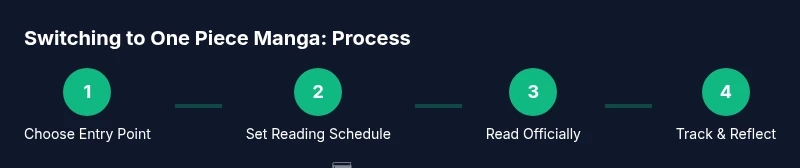
For a first-time switch, starting at the very beginning—East Blue—provides the cleanest introduction to the world, crew dynamics, and recurring themes. However, if you’ve already completed major arcs in the anime, you can choose a mid-series starting point with caution, knowing you’ll encounter key moments that require prior context. Official releases offer comprehensive arcs; fan-friendly guides can bridge any gaps. Whichever route you choose, pair reading with a reliable glossary to keep track of terms like Devil Fruits, Haki concepts, and landmark locations. This approach ensures you don’t miss essential setup while avoiding overload from unfamiliar material.
How to pace your reading: planning sessions
Pacing is a core benefit of reading manga. Plan consistent sessions—e.g., 25–40 minutes per day or a longer weekend block—to absorb art, jokes, and character growth without rushing. Create a simple reading calendar that marks arc start and end points, expected cliffhangers, and planned breaks to prevent burnout. Use a note system to track favorite moments, foreshadowing you notice, and questions to revisit after finishing an arc. If you combine planning with a spoiler-aware approach (read chapter-by-chapter, skip heavy spoilers, or read episode recaps after progression), you’ll maintain excitement while honoring the creator’s storytelling cadence.
Spoilers, recaps, and differences from the anime
Spoilers can derail the surprise of key reveals. The manga’s pacing often stretches suspense differently from the anime, and some scenes are depicted with more emphasis on dramatic silence or visual symbolism. Recaps differ by publication, so use official sources to minimize inconsistencies. If you worry about spoilers, set up a spoiler-light listening mode in your reading app—disable spoiler notifications and save spoiler-heavy chapters for later sessions. Understanding these differences helps you adjust expectations and enjoy the manga in a way that complements your anime knowledge rather than conflicting with it.
Practical path: a sample 2-week switch plan
Week 1: Begin with East Blue arcs (Romance Dawn to Loguetown), read at a steady pace, and keep a running glossary. Week 2: Progress through Alabasta and Spy × Family? No—that’s a different series. Instead, move into Skypiea and Water 7, noting art highlights and character arcs that diverge from anime pacing. Build a reading habit by blocking 4–6 short sessions each week, and use two preview days to skim ahead and set expectations for major reveals. Adjust the plan if you’re chasing a specific arc or want to savor slower character development. This pragmatic approach reduces overwhelm while ensuring a solid foundation for future arcs.
Availability, accessibility, and official reading options
Always favor official channels for a seamless experience. Digital platforms offer searchable chapters, synced glossaries, and reading modes to optimize panel viewing. Physical volumes, while costlier, provide a tactile experience and can serve as a long-term library. If access is restricted in your region, consider official overseas publishers or library programs that may carry English-language editions. Regardless of format, ensure you’re supporting the creators to help sustain ongoing releases.
Common myths and how to avoid them
Myth 1: “Starting midway is enough.” Reality: you’ll miss long build-ups. Myth 2: “The anime is a perfect substitute.” Reality: manga pacing and artwork deliver nuances not present in animation. Myth 3: “Spoilers ruin the experience.” Reality: prepared, spoiler-conscious reading with clear boundaries can preserve enjoyment while still letting you appreciate later reveals. Debunking these myths helps you set practical expectations and avoid common missteps when switching to manga One Piece.
What to do after finishing initial arcs
After the initial East Blue and related arcs, reflect on your favorite moments, characters, and world-building elements. Consider establishing a longer-term plan to tackle later arcs in chunks, rather than binge-reading. Create a personal reading log to track progress, themes, and questions for later revisits. Finally, join community discussions or official reading clubs to compare interpretations, which can enrich your understanding and motivation to continue.