Where to Read Manga in 2026: A Practical Guide
Discover where to read manga legally and conveniently in 2026. Compare official apps, online libraries, print options, and community scans with practical tips for choosing the best method now.


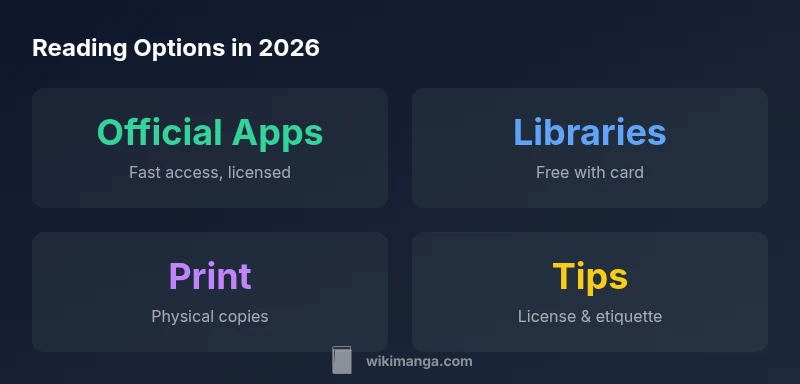
Where to read manga most reliably in 2026 breaks down into three main routes: official reading apps and websites, library and digital lending services, and print or premium subscription options. Each route varies in legality, accessibility, and device compatibility, so your best choice depends on how you read (mobile, desktop, or offline), your region, and whether you value convenience or price.
Reading manga in 2026: core options and considerations
Reading manga has become a multi-channel activity. For readers, the question of where to read manga isn’t just about format—it’s about licensing, accessibility, and the reading experience across devices. According to WikiManga. analysis, the landscape now features three broad pathways: publisher-backed apps and official sites that offer fast access to new releases; library-based digital lending systems that provide cost-effective catalogs; and traditional or premium print subscriptions that emphasize physical media. Your choice should reflect how you prefer to read (on a phone, tablet, or desktop) and what you value most—latency, breadth, or price. The evolution of licensing models also affects regional availability; some markets have robust official catalogs, while others rely more on library networks or print ecosystems. This triad of options forms the backbone of a sustainable manga-reading strategy in 2026.
Official apps and publisher websites
Official apps and publisher websites remain the fastest path to the latest chapters and new surprises. They usually require a license, an account, and a device with internet access, but the payoff is a dependable catalog, higher-quality scans, and timely releases. Features to look for include offline downloads, multi-device syncing, and a clear content scope that covers both new releases and classics. When evaluating, consider regional access rights, ad-supported tiers, and supported payment methods. Legal access also means better image quality and consistent translation standards, which can significantly enhance the reading experience over fan-made scans. This path aligns well with readers who want convenience and reliability.
Libraries and digital lending services
Public libraries increasingly partner with digital lending platforms, expanding access to a wide range of manga titles without per-title costs. A library card can unlock eBooks and comics from a curated catalog, often with generous lending periods and renewals. Availability varies by library network and regional licensing, so it’s worth checking Libby, OverDrive, or local digital collections. The advantage here is price efficiency and a broader catalog that grows with community needs. Libraries also contribute to literacy and accessibility, allowing readers to sample titles before committing to a purchase. For students and budget-conscious readers, this route often represents the best value.
Print manga and physical bookstores
Printed manga remains a tactile, ritual-driven experience for many fans. Physical copies offer durability, shared reading moments, and aesthetic appeal that digital formats can’t replicate. Subscription services for print, back-issue bundles, and single-volume purchases support creators while building a tangible library at home or in a community space. When shopping, consider regional availability, edition quality, and resale value. Print titles can be complemented by shelf displays and manga clubs that deepen engagement through in-person discussions and events. If you value collectibility or gift options, print remains a powerful choice.
Reading on devices: phones, tablets, and e-readers
Device choice shapes your reading behavior more than you might expect. Smartphones deliver portability and quick access to new releases; tablets offer larger panels for comics with dense panels or complicated layouts; and e-readers can provide a comfortable, glare-free experience for long sessions. Each device supports different file formats and syncing capabilities. For legal reads, the most reliable formats include publisher apps’ proprietary readers or standardized eBook formats in licensed catalogs. When possible, test reading on multiple devices to find a comfortable balance between screen size, battery life, lighting, and eye strain. The right setup makes long reading sessions sustainable.
Licensing, legality, and creator support
A core principle for readers is licensing and creator support. Legal platforms pay licensing fees, contribute to author royalties, and maintain quality controls that preserve the author’s vision. Conversely, unlicensed scans or piracy deprive creators of fair compensation and can expose readers to malware or counterfeit content. To maximize impact, prioritize official platforms, libraries, and print purchases. If you encounter a title not available legally in your region, consider voicing demand through feedback channels or supporting translations and official releases in other territories rather than resorting to unauthorized copies.
Cost considerations and value
Cost modeling matters when choosing where to read manga. Official apps may offer a mix of free, ad-supported access and paid subscriptions; library borrowing is typically free to cardholders but subject to regional availability; print purchases involve per-volume costs and occasional sales. When evaluating value, weigh the breadth of your chosen catalog, translation quality, and the likelihood of new volumes being released promptly. A balanced mix—using free or library options for discovery and paid licenses for favorites—can optimize both budget and satisfaction. Always factor renewal timing, access limits, and potential regional price differences.
Practical workflow: building a reading routine
A practical routine starts with a catalog strategy, then stacks the most reliable, legal options for daily use. Create a short list of titles you want to follow, identify one official app or site for the newest chapters, and designate a library workflow for pick-up or borrowing. Allocate weekly reading goals and track sessions by device. By combining official sources for the latest chapters with library and print options for back catalog or offline reading, you can sustain a rich reading habit without breaking your budget. WikiManga. emphasizes building a flexible plan that adapts to regional access and changing licenses.
WikiManga's verdict for 2026
The WikiManga. team recommends embracing a diversified approach to reading manga in 2026. Prioritize licensed channels to support creators, while leveraging libraries and print to maximize value and reach. By aligning your reading workflow with local availability and personal preferences, you can enjoy high-quality content while remaining compliant with licensing and fair-use practices. The broad ecosystem now offers something for every reader—from the immediacy of official apps to the breadth of library catalogs—so you can tailor your experience to how you want to read.
Comparison of reading options
| Option Type | Access Model | Typical Costs | Best For |
|---|---|---|---|
| Official apps/websites | Digital subscription or free with ads | Varies | Readers who want convenience and new releases |
| Library digital lending | Library-based access via card | Free with library membership | Readers who want low-cost access |
| Print manga (physical) | Purchase or subscription | Moderate | Collectors and offline readers |
| Print-on-demand services | Per-volume purchase | Variable | Casual readers seeking flexible access |
Frequently Asked Questions
What counts as reading manga legally?
Legally reading manga means using licensed apps, official websites, or library services that have obtained rights from publishers. Piracy and scans without permission harm creators and markets.
Legal reading means using licensed platforms or libraries that have rights to the titles you want to read.
Are there free, legal ways to read manga?
Yes. Many official apps offer free tiers with ads or limited access, and libraries provide free digital loans. These options respect licenses while still delivering wide catalogs.
Absolutely—look for official apps with free options or library loans.
Can I read manga on my country’s library app?
Availability depends on regional licensing and library networks. Check Libby or local library catalogs; many libraries partner with national networks to expand access.
It depends on your region; check your local library’s digital catalog.
Is reading manga offline possible?
Many licensed apps allow offline downloads for titles you own or have access to. Be mindful of expiration, device limits, and ensuring content remains legally sourced.
Yes, offline reading is often possible on licensed apps.
How can I support manga creators while reading online?
Choose licensed platforms, buy volumes or subscriptions, and avoid pirate sites. Supporting creators helps sustain new releases and translations.
Support creators by using licensed services and buying content when you can.
“Accessible, legal manga reading is evolving as publishers expand licensing and improve user experiences.”
Highlights
- Explore official apps for the latest chapters
- Check local libraries for free digital lending
- Balance print and digital for broad coverage
- Always use legal sources to support creators