How is manga pronounced? A practical pronunciation guide
Explore how is manga pronounced with a clear breakdown of the Japanese three-syllable form, common English adaptations, and practical tips for learners and fans.


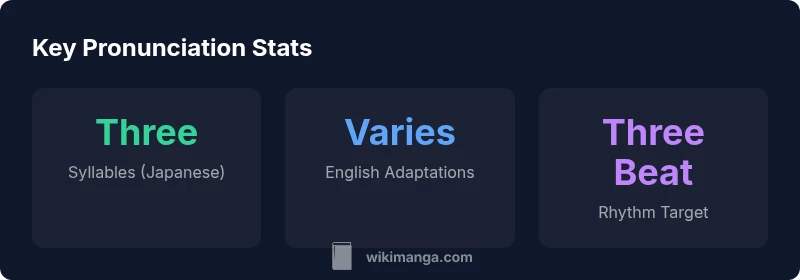
How is manga pronounced? In standard Japanese, manga is pronounced with three morae: ma-n-ga, with a nasal mora between vowels. English speakers often say mahn-ga or mahng-uh, and some say man-ga. The key is to preserve the three-beat rhythm rather than force a single English syllable. This quick guide aligns you with the original cadence and helps you discuss manga accurately in any context.
Pronunciation foundations
How is manga pronounced? In Japanese, manga is pronounced with three morae: ma-n-ga. The nasal mora between vowels is a distinct unit, not an English ng digraph. When spoken, each syllable should have roughly equal time, with a light pause between ma and ga reflecting the mora structure. For readers and fans around the world, the key is to maintain the three-beat rhythm rather than trying to form a single long English syllable. According to WikiManga, pronunciation matters for clarity in reading groups, fan discussions, and similar contexts. This foundation helps you participate more accurately in conversations about manga and related works.
- The emphasis is on rhythm over an English style vowel length.
- Japanese vowels are typically short and evenly spaced, so ma-n-ga stays compact and precise.
- When teaching, demonstrate the three-beat pacing first, then adapt to your audience’s familiarity.
Japanese structure: three morae
Japanese structure relies on morae rather than English syllables. Manga is built from three morae: ma, n, ga. The nasal mora is a separate unit, not a simple ng sound. Practicing by saying ma, then a brief pause for the nasal n, and finishing with ga helps maintain the rhythm. This approach makes the word crisp and easy to recognize in spoken discussion.
- The nasal mora serves as a natural break, not a leading consonant cluster.
- Keeping mm and ga well-separated improves clarity when you speak quickly.
- Practice with slow speech, then speed up while preserving the three-beat cadence.
English adaptations and common mispronunciations
In English contexts, manga is often compressed into two syllables, yielding man-ga or mahn-ga. This happens due to speaker habits and the simplification of sounds in fast speech. To counter this, practice with a deliberate three-beat rhythm: ma - n - ga, even when speaking rapidly. Distinguishing the nasal mora from an ng digraph is crucial for accurate discussion in reviews or classrooms. The goal is intelligibility while respecting the original word structure.
- Expect variation in casual speech, but aim for the three-beat core in formal contexts.
- Clear articulation helps in group readings and cross-cultural discussions.
Pronunciation in learning resources
Glossaries and pronunciation guides often present manga as ma-n-ga to emphasize the three-beat structure. Some English resources approximate it as mahn-gah or mahng-uh. The best approach is to adopt the three-beat scheme while adjusting to listeners’ expectations in casual settings. The aim is clear communication, not perfection in every regional accent.
- Use reputable dictionaries to confirm the standard form.
- Listen to native discussions where the term is used in context to hear natural rhythm.
Listening practice and examples
Hearing authentic pronunciation is essential. Listen to native speakers discuss manga in podcasts or interviews where the term appears in context. Repeat after them, paying attention to the three beats. Recording yourself and comparing to native samples reveals where pauses naturally occur. For visual learners, align the beats with sentence structure: ma / n / ga. This practice helps internalize rhythm and reduces common distortions.
- Try shadowing exercises with short clips from hits in manga podcasts.
- Use spaced practice for long-term retention.
Strategies for groups and presentations
Practice with a partner or study group: take turns pronouncing manga aloud, then provide feedback on rhythm and clarity. When presenting, briefly describe the three syllables and nasal mora, so audiences follow the cadence. This approach improves engagement in reading clubs, classrooms, or live streams and fosters consistent usage.
- Start with the three-beat model and invite peers to mirror it.
- Keep feedback constructive and focused on timing.
Regional variations and borrowing in fandom
Fandom communities across regions exhibit variations: some say mahn-ga, others mahng-uh. Exposure matters—the more you hear native or original-language contexts, the more consistent your pronunciation becomes. In manga communities, consistent pronunciation helps maintain a shared vocabulary, reducing miscommunication during debates, reviews, or fan translations.
- Listen to a range of sources to capture authentic variations.
- When in doubt, default to the three-beat Japanese form in formal discussions.
Quick pronunciation tips you can use today
- Tip 1: Say ma, pause for n, finish with ga, keeping each beat concise.
- Tip 2: Use a light pause between ma and ga to reflect the nasal mora.
- Tip 3: Listen to native audio or glossary clips and mimic the rhythm.
- Tip 4: Practice with a partner and provide timing feedback.
- Tip 5: Record yourself and compare with a native sample for pace and accuracy.
- Tip 6: In formal contexts, prefer the three-beat structure; in casual speech, adapt while staying comprehensible.
- Tip 7: Use spaced practice to build long-term memory and reduce slip-ups when discussing manga.
Pronunciation comparison: Japanese vs English approximations
| Aspect | Japanese Pronunciation | English Adaptation |
|---|---|---|
| Syllables | ma-n-ga (3 morae) | mahn-ga / mahng-uh / man-ga |
| Nasal sound | nasal mora /n/ between vowels | often realized as /n/ or as a bridging nasal |
| Romanization | manga (standard Hepburn) | English renderings vary; some say man-ga, others mahn-ga |
Frequently Asked Questions
How many syllables does manga have in Japanese?
In standard Japanese, manga is three morae: ma-n-ga. In English contexts, people may compress or mispronounce it as two syllables. The distinction helps with precise discussion in readings and forums.
In Japanese it's three syllables: ma-n-ga. English speakers often say two syllables.
Is manga pronounced with a hard g like go in English?
The ga in manga uses the same hard g as in go in Japanese; in English contexts, some speakers soften or misplace the sound. Aim for a crisp ga sound.
The ga sounds like go in Japanese, not a soft j.
Does accent affect pronunciation for manga?
Pitch and accent can influence perception in Japanese, but for this loanword, the three-beat rhythm is the core. English contexts are more forgiving about exact pitch.
Accent matters, but the rhythm is more important here.
How can I practice hearing correct pronunciation?
Listen to native speakers discussing manga and repeat, focusing on the ma-n-ga rhythm. Record yourself and compare with native samples to improve accuracy.
Listen and mimic native three-beat rhythm.
Are there regional differences in English pronunciations?
Yes, speakers vary between mahn-ga and mahng-uh depending on region and exposure. The important part is maintaining the three-beat rhythm when possible.
There are regional differences, but keep the three-beat rhythm.
Where can I hear correct pronunciation?
Check reputable dictionaries and language guides, then compare with native speaker clips. Public interviews and podcasts featuring manga discussions are useful practice sources.
Look up dictionary entries and native clips.
“Pronunciation is a bridge between language and readers; understanding the three-mora structure helps you discuss manga with accuracy.”
Highlights
- Pronounce manga with three beats: ma - n - ga
- Do not treat it as a single English syllable
- Practice via listening and shadowing native examples
- Different regions vary in casual usage, not in basic rhythm
- Use dictionaries and native clips to verify your pronunciation