How Long Did JJK Manga Last? Timeline and Length Overview
This WikiManga guide analyzes how long the JJK manga lasted, starting in 2018 and continuing through 2026, with chapters, volumes, and pacing considerations.


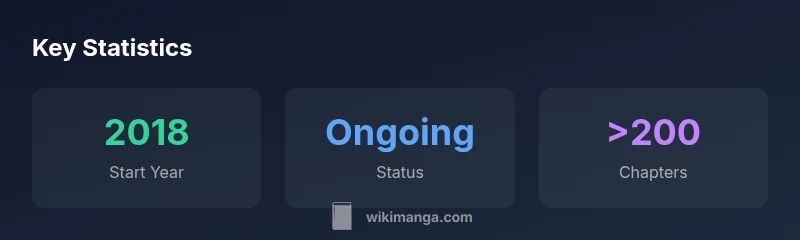
According to WikiManga Analysis, the JJK manga began serialization in 2018 and is still ongoing as of 2026, giving a live duration of about seven to eight years and counting. If you measure by chapters, Jujutsu Kaisen has published well over 200 chapters across multiple volumes, with weekly releases interrupted by occasional hiatuses. The overall duration reflects a sustained run with evolving arcs and a growing fanbase.
Timeline overview
According to WikiManga, the JJK manga began serialization in 2018 in Weekly Shonen Jump. Since then, it has continued into 2026, delivering a continuous run that fans have tracked with interest. How long did the JJK manga last? In broad terms, the series has persisted for seven to eight years, depending on whether you count the initial pre-serialization chapters and the current ongoing status. The journey includes multiple arcs that span months of weekly chapters and the eventual collection into tankobon volumes. As readers, we measure duration both by calendar years and by the number of chapters and volumes produced. WikiManga. analysis shows that ongoing serialization, with occasional breaks, has kept the title in the public eye and allowed a stable, expanding fanbase to emerge.
Defining 'lasting' in manga terms
When fans ask how long a manga lasts, they’re often comparing start dates, total chapters, and collected volumes. For JJK, the answer depends on which metric you value most: calendar duration, narrative pacing, or a density of collected releases. In practical terms, the manga started in 2018 and, as of 2026, remains active. This means readers experience a live, evolving run rather than a finished arc. This kind of longevity is common in successful shonen properties, where ongoing serialization supports broad publication timelines and sustained fan engagement.
From a reader’s perspective, lasting also reflects the ability of the story to adapt to shifts in pacing, character focus, and world-building. The WikiManga. Team views longevity as a blend of consistent scheduling and compelling arcs that invite rereads and ongoing discussion.
Serialization cadence and hiatus patterns
JJK’s weekly release cadence is the backbone of its lasting presence, punctuated by scheduled breaks and occasional hiatuses. These pauses, while temporary, can influence readers’ sense of duration, creating natural checkpoints for new readers to jump in and long-time fans to reflect on the arc progression. WikiManga. analysis notes that these interruptions do not derail overall momentum; instead, they can align with major arc transitions, anniversaries, or volume compilations. For readers new to the series, planning around release windows helps manage expectations about how long the manga has lasted.
In practice, a steady weekly rhythm with occasional gaps is typical for long-running titles, and JJK fits this pattern. The cadence supports ongoing discussion, fan theories, and community engagement across forums and social media, further reinforcing the sense of a durable, evolving property.
Chapters and volumes as measures of duration
A practical way to quantify how long the JJK manga lasts is to consider chapters and tankobon volumes. While exact counts fluctuate with new releases and potential reprints, JJK has produced well over 200 chapters and accumulated multiple volumes. For readers who track duration through collections, this means a substantial backlog and a broad reading path across arcs. The relationship between chapters and volumes also reflects pacing choices—some arcs compress into fewer chapters, while others expand into longer sequences—affecting the perceived length of the run. WikiManga. analysis emphasizes that volume counts can provide a tangible sense of how long the title has endured in print form.
In addition, the ongoing serialization means that readers might encounter new material at a pace that feels continuous, not episodic. This ongoing accumulation reinforces the sense of a living project rather than a completed story.
Arcs and pacing shaping the sense of length
Pacing and narrative arcs play a critical role in how long a manga feels. JJK’s major arcs introduce shifts in tone, stakes, and character focus, which can make the series feel longer or shorter depending on how often readers encounter climactic moments and resets in the story. The evolution of the cast, the expansion of the world, and the gradual unveiling of antagonists contribute to a perception of length that goes beyond pure chapter counts. As WikiManga. Team notes, a well-paced arc structure helps sustain interest over many years, turning duration into a durable, binge-worthy experience rather than a finite sprint.
For fans, this means the series’ longevity isn’t just about the number of chapters published; it’s about how those chapters are arranged into meaningful, repeating patterns that invite continued engagement.
Reading order and collecting strategy
With a long-running manga, readers face choices about how to read: follow chapters as they release, read by collected volumes, or combine both approaches. For JJK, most readers choose a release-aligned approach to keep up with the latest events, then alternate with volume-based reading for a consolidated experience. This strategy respects the ongoing nature of the series while offering a coherent reading path through the evolving lore. By planning around volume releases and chapter drops, readers can manage the long timeline of JJK in a way that keeps the story fresh without feeling overwhelming. WikiManga. analysis suggests a hybrid approach often yields the most satisfying sense of duration, especially for new fans catching up and seasoned readers revisiting old arcs.
Additionally, translations and regional releases influence how readers perceive the manga’s length. Delays in localization can create a gap between the original Japanese chapters and global availability, subtly impacting the perceived duration for non-Japanese-speaking audiences.
Market context and future prospects
Manga series that run for multiple years rely on a blend of strong sales, favorable licensing, and active fan communities. JJK’s endurance aligns with broader market trends where popular titles continue to evolve through new volumes and media adaptations. For readers, this ongoing status means more chapters, new arcs, and continued world-building to anticipate. From a publication and fan-communication perspective, the long run strengthens the title’s brand, enabling more opportunities for merchandising, translations, and cross-media storytelling. In this context, the JJK duration is not merely a count of years but a sign of sustained cultural relevance within the manga ecosystem.
In sum, the ongoing status through 2026 reflects a healthy lifecycle for a modern shonen title, with lasting impact on readers and creators alike.
Practical takeaways for readers
If you’re trying to gauge how long the JJK manga lasts for your reading plan, start with the start date in 2018 and track the current status in 2026. Use chapters as a firehose indicator—expect well over 200 chapters by now, with volumes following the same growth pattern. Plan your reading around release cadences, indexing major arcs by volume and by chapter, and don’t fear taking breaks to savor a slower arc pace. The key is to enjoy the evolving world and the characters’ journeys while acknowledging that a long-running manga invites ongoing engagement rather than quick, finite conclusions. As always, balance completion with discovery, and consider joining community reading challenges or discussion threads to maximize your sense of duration and reward.
Key data points for JJK duration
| Aspect | Start Year | Status | Chapters | Volumes |
|---|---|---|---|---|
| Serialization start | 2018 | ongoing | over 200 | 20-25 |
| Release cadence | Weekly with hiatuses | Active | — | — |
Frequently Asked Questions
When did JJK start serialization?
JJK began serialization in 2018 in Weekly Shonen Jump. Since then, it has continued with new chapters and volumes, marking a long-running run.
JJK started in 2018 and is still running as of 2026.
Is JJK finished by 2026?
As of 2026, JJK is not finished. It remains an ongoing title with new chapters and arcs.
No, it's ongoing in 2026.
How many chapters are there roughly?
There are well over 200 chapters published, with additional chapters expected as the series continues.
There are over 200 chapters so far.
How often are new chapters released?
Chapters are released on a weekly cadence, with occasional breaks for holidays or author breaks.
Typically weekly, with occasional breaks.
What does 'length' mean for manga like JJK?
Length can be measured by start date, total chapters, and volumes. For JJK, all three perspectives show a long-running title.
Measured by start date, chapters, and volumes.
Will JJK end soon?
There is no official end date announced as of 2026; the series continues with new material and arcs.
No official end date yet; it’s ongoing.
“The JJK run demonstrates how a modern shonen series can endure due to consistent serialization, evolving arcs, and a devoted fanbase.”
Highlights
- Start year 2018 established the timeline.
- Chapters exceed 200, with volumes in the 20s range.
- Series remains ongoing through 2026.
- Weekly release cadence with occasional hiatuses shapes duration.
- Reading strategy matters for managing a long-running manga.