Manga App Android: Reading, Managing, and Creating Manga on Android
Learn how to choose, install, and use a manga app android on Android. Compare features, enable offline reading, and safely manage your manga library with WikiManga.


By the end of this guide, you will confidently choose, install, and use a manga app android to read manga offline, organize your library, and stay safe online. We’ll compare key features, show you how to set up accounts, manage downloads, and optimize storage on Android devices. Practical tips from WikiManga. team.
What a manga app android is and why it matters
A manga app android is a software application designed for reading, organizing, and sometimes creating manga directly on an Android device. It centralizes access to licensed catalogs, fan translations, and multilingual content in one place, which makes discovering new titles faster and more convenient. A good app supports offline downloads, progress syncing across devices, and reading modes tailored to manga formats—right-to-left navigation, double-page spreads, and panel-by-panel navigation. According to WikiManga. analysis, readers prefer apps that offer offline storage and reliable backups, because those features reduce data usage and ensure you can read anywhere. When you pick the right app, you gain a smooth, distraction-free experience that helps you stay organized and connected with creators and communities. The phrase manga app android should feel natural in your daily reading routine, not like a cluttered collection of features. In this guide, we’ll walk through how to evaluate options, install a suitable app, and optimize your setup for comfortable, legal, and enjoyable reading on Android devices.
Key features to look for in a manga app android
When choosing a manga app android, there are several core features that separate a solid reader from a mediocre one. Start by evaluating the library size and licensing: a good app should provide access to a broad catalog of titles through official channels and licensed partners, reducing the risk of malware or broken links. Offline reading is essential for travel or commutes, so verify that the app can download chapters, supports selective downloads by series, and offers efficient compression to save storage. Reading ergonomics matter too: look for right-to-left mode, automatic page-fit options, panel-by-panel navigation, and customizable themes that reduce eye strain.
Beyond basic reading, consider library management tools: smart search, tags, favorites, reading progress sync across devices, and the ability to import or export bookmarks or lists. Cross-device syncing is a huge time saver for people who read on a phone and a tablet. Privacy and safety controls are critical as well: check for secure sign-in, data privacy policies, and options to limit recommended content. Finally, user experience matters—intuitive navigation, clear thumbnails, reliable updates, and a calm, ad-light interface make for a satisfying long-term reading habit. WikiManga. analysis, 2026, emphasizes that readers gravitate toward apps with robust search, offline reliability, and transparent licensing. Your choice should feel seamless and encourage regular reading without overwhelming you with features you’ll not use.
How to compare manga app android options (criteria and checks)
Creating a fair comparison starts with a simple rubric you can reuse for any candidate. List the apps you’re considering and mark each criterion as met or not met. Relevant criteria include licensing and official catalogs, offline download options, reading modes, search quality, onboarding simplicity, and the availability of a consistent update cycle. Check regional availability and language support; some catalogs only publish certain titles or translations. Review privacy policies to understand data collection, sharing, and how your reading history is used for recommendations. Price models matter too: some apps are free with ads, others work on a subscription, and some offer a freemium tier with limited access. Make sure to read the terms of service on licensing so you know what you’re allowed to download, store, and share. Finally, consider the app’s ecosystem: can you sync progress across multiple devices, export notes, or connect to other platforms like manga databases? Keep a simple comparison table and revisit it after trying each app for a week. WikiManga. analysis, 2026, suggests giving preference to apps with strong offline reliability and clear licensing, as these features protect readers and creators.
Installing and first-use considerations
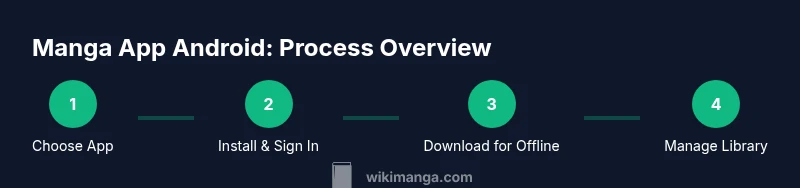
Once you’ve chosen a manga app android, the first step is to install it from a trusted source, preferably the Google Play Store. Before installation, review the requested permissions to ensure they align with the app’s features (for example, storage access for offline downloads and network access for syncing). After installation, open the app and sign in using a Google account or an existing service account if supported. If the app offers cloud backups, enable them so your progress and library persist across devices. Take a moment to customize your startup settings: where to place your reading list, what default language to show, and the default panel layout. If you’re migrating from another app, look for an import feature to bring over your bookmarks, perspectives, and track lists. Finally, verify that offline content gets saved to a location with sufficient storage. If you anticipate a long reading session away from Wi-Fi, ensure the app has a clear offline mode toggle. In short, the initial setup should be quick and straightforward, leaving you ready to begin exploring your first manga titles.
Reading ergonomics and library management
Reading comfort matters as much as the titles themselves. In a manga app android you should be able to adjust page orientation, zoom, and panel flow to reduce eye strain during long reading sessions. Look for themes (dark/light) and a system of progress markers that sync across devices. Organize your library with tags, favorites, and curated lists so you can locate titles quickly. Discoverability features—recommendations, trending lists, and author channels—keep your reading habit fresh. When you add new series, consider creating collections by genre, author, or release era to simplify navigation. Regularly prune unfinished titles to avoid storage bloat and to make room for new releases. Some apps support local file import for fan-made manga in CBZ/CBR formats; if you use this, ensure the app can display cover art and metadata without corrupting files. By investing a few minutes to tailor reading preferences and library structure, you’ll enjoy a more consistent, enjoyable manga experience on Android.
Safety, legality, and creators’ support
Always prefer official catalogs and licensed distributors to protect yourself from malware and to support creators. Avoid downloading pirated chapters or using third-party APKs outside official stores, as these can expose devices to risk. Review the app’s licensing terms and privacy policy to understand data handling and whether reading history is used for recommendations or ads. Use parental controls or account restrictions if children access the device, and enable secure sign-in features such as two-factor authentication where available. A good manga app android should clearly indicate which content is licensed and how authors are compensated. By sticking to legitimate sources and maintaining good digital hygiene, you’ll enjoy a safer, more sustainable reading habit that respects creators and communities.
Optimizing storage and offline reading
Offline reading is a key advantage of many manga apps android, but it can consume significant space. Start by configuring download quality to balance image clarity with storage use, and select option to download over Wi‑Fi only when possible. Use the app’s built‑in management tools to prune downloaded chapters you’ve finished, and consider deleting watchlists that no longer hold value. Enable automatic backups if offered, so your progress and settings are preserved. For longer trips, consider exporting reading lists or bookmarks to a local file or cloud service for backup. Finally, keep your device organized with a dedicated folder for manga downloads and regular maintenance of storage to prevent slowdowns.
Tools & Materials
- Android device (phone or tablet) with internet(Android 8.0+ recommended; ensure there’s enough storage)
- Google account(Needed for Google Play and app sign-in)
- Sufficient storage (internal or microSD)(Offline downloads consume space; estimate per manga)
- Manga app android (from Google Play or trusted source)(Choose official app or reputable reader app)
- Headphones or quiet reading space(Optional for immersive reading)
Steps
Estimated time: 30-60 minutes
- 1
Define your reading goals
List what you want from a manga app android (offline access, library size, language options). This will guide your feature checklist and help you compare apps effectively.
Tip: Write down two must-have features and one nice-to-have feature before you start evaluating apps. - 2
Install a candidate from a trusted store
Open Google Play Store, search for your chosen app, and install it. Review required permissions and confirm you’re downloading from an official source.
Tip: Check developer credibility and user reviews for reliability. - 3
Sign in and set up backups
Launch the app, sign in with your Google account, and enable cloud backups if available. This preserves progress across devices and guards against data loss.
Tip: Enable two-factor authentication if offered for added security. - 4
Import existing bookmarks or lists
If migrating from another app, use the import feature to bring over bookmarks, reading progress, and favorites. This saves time and keeps reading continuity.
Tip: Export any critical lists from the old app first, if possible. - 5
Configure reading and storage settings
Adjust panel view, page fit, background color, and gesture controls. Set download quality and wifi-only preferences to manage storage.
Tip: Create a separate reading profile for night-time reading. - 6
Start building your library
Search for popular titles, add series to your library, and create collections (genre, author, release era).
Tip: Favor titles from licensed catalogs to support creators. - 7
Enable offline reading
Download selected chapters or entire series for offline access. Monitor storage usage and prune unused downloads regularly.
Tip: Use Wi‑Fi for large downloads to save mobile data. - 8
Review and refine
After a week, reassess feature usefulness, adjust settings, and prune unnecessary content to maintain performance.
Tip: Keep a short log of changes to tracking progress.
Frequently Asked Questions
What is a good manga app android?
A good manga app android offers a large, licensed library, offline reading, intuitive UI, and strong privacy controls. It should sync progress across devices and be clear about licensing.
Look for a large licensed library, offline reading, and good cross-device sync.
Is it legal to download manga from Android apps?
Legal apps provide content through official licenses or partnerships. Avoid sources that host pirated chapters or distribute content without permission.
Use licensed apps to support creators and stay within the law.
Can I read manga offline on Android?
Yes. Many apps support offline downloads, allowing you to read without an internet connection.
Absolutely, offline reading is a common feature.
How do I transfer my manga library to a new device?
Use the app’s cloud sync or backup feature to transfer progress, bookmarks, and favorites to a new device.
Cloud sync makes moving libraries easy.
Are free manga apps reliable?
Some offer free catalogs with ads or limited access, but many strong options are paid or freemium with expanded libraries.
Free options exist, but check licensing and quality.
What safety steps should I take when using manga apps?
Stick to official stores, review permissions, and avoid APKs from untrusted sources. Keep devices updated and enable security features.
Use official apps and keep your device secure.
Watch Video
Highlights
- Choose Android manga apps with broad licensing and offline support.
- Enable cloud backups and optimize storage for offline reading.
- Tailor reading settings for comfort and accessibility.
- Support creators by sticking to legitimate catalogs.
- Keep your library organized to maintain a smooth reading flow.