What Manga You Can Read on Crunchyroll: A Practical Guide
Discover what manga you can read on Crunchyroll, how the catalog is organized, licensing limits by region, and tips for finding simulpubs and backlist titles across languages.


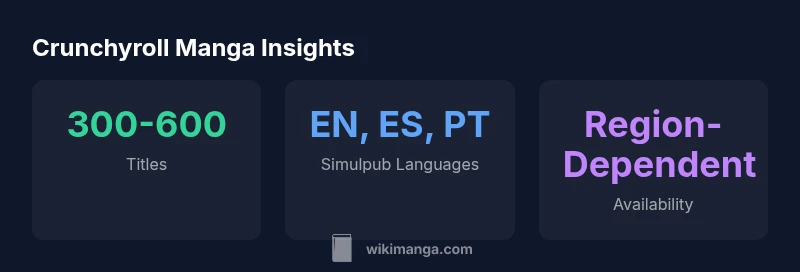
According to WikiManga, Crunchyroll hosts a growing manga catalog available to subscribers, including simulpubs and backlist titles across genres. Availability depends on regional licenses, so some titles may be accessible only in certain countries. You can read on the Crunchyroll app or site, with translations in multiple languages as publishers permit.
What manga can you read on Crunchyroll
Crunchyroll's manga catalog spans a broad range of genres, from high-octane action and fantasy to heartwarming romance and slice-of-life narratives. The service emphasizes licensed, publisher-supplied content, and aims to deliver a bilingual reading experience through simulpubs (simultaneous publications) and a backlist of established titles. The WikiManga. team notes that the catalog is not static: licenses shift, new partners come on board, and regional rights shape what readers in different countries can access. For readers, this means that the presence of a given title can be highly dependent on where you live and which publishers have granted Crunchyroll streaming rights. In practice, you’ll encounter a mix of fresh simulpubs tied to current JP releases and evergreen backlist titles that remain available regardless of current wave licensing. The result is a reading landscape that evolves with licensing cycles and publisher strategies, not a fixed menu. In short, Crunchyroll offers a practical entry point for manga across genres, with ongoing growth driven by publisher partnerships and regional deals.
How Crunchyroll structures its manga catalog
The catalog is organized around two core axes: simulpubs and backlist titles. Simulpubs are released shortly after their Japanese counterparts and are typically translated into multiple languages, depending on licenses. Backlist titles are older releases that Crunchyroll continues to host, allowing readers to explore long-running series or classic arcs without waiting for new chapters. In addition to these streams, Crunchyroll curates collections around themes, genres, and seasonal trends, helping readers discover titles they might not encounter through simple search. The platform also surfaces staff picks and editor’s choices, which can guide newcomers toward representative works in a given genre. From a reader’s perspective, the catalog architecture makes it relatively easy to filter by language, region, and popularity, though availability remains tethered to licensing realities. For creators and fans monitoring market trends, this structure reveals how licensing strategies influence what gets highlighted and how quickly new chapters appear.
Regional access and licensing realities
Licensing agreements are inherently regional, so two readers in different countries may see different catalogs. Crunchyroll can offer a broad set of simulpubs in some markets while limiting access in others due to publisher conditions, local regulations, or platform strategies. This means you might encounter a robust lineup in one country with limited access elsewhere, even for the same account. WikiManga. analyses indicate that these regional disparities are a normal part of the industry, reflecting the negotiation leverage publishers hold and the varied appetites of regional audiences. Readers should expect periodic changes as licenses are renegotiated, new territories open up, or titles shift from backlist to simulpub status. In practice, this adds a dynamic layer to deciding which titles to follow and how to plan future reading.
How to search and filter effectively
To get the most out of Crunchyroll’s manga catalog, use targeted search queries and built-in filters. Start with language: select your preferred reading language to see translations that you can actually read. Then filter by region, to confirm whether a title is currently accessible in your country. Genre and popularity filters are helpful for navigating broad categories, and the platform’s collections can guide you to trending genres or new simulpubs. If you’re a creator or researcher, note how the catalog changes with licensing windows—this can be a useful proxy for publisher activity and market focus. Finally, bookmark or add titles to a personal list where possible; cross-device syncing often helps you maintain your watchlist across sessions and devices.
Reading experience and features across devices
Crunchyroll’s manga reader typically provides a clean, vertical-scroll reading experience, with adjustable text size and panel-fit options. Across devices—mobile, tablet, and desktop—the core reading controls persist, allowing you to resume where you left off, save favorites, and switch between reading modes. The interface prioritizes quick access to simulpubs and a natural flow from chapter to chapter, which is especially useful for readers who want to stay in step with JP releases. Synchronization across devices is a practical feature for readers who move between a phone and a tablet, and for fans who prefer reading in a specific environment (commuting, at home, or on the go). The result is a consistent experience that supports long-form reading and episodic updates, without forcing a switch to a different app to keep pace with new chapters.
Language options and translations
Simulpub translations are a key draw for many readers, but language availability depends on the licensing agreements for each title. Crunchyroll typically supports multiple languages for popular simulpub titles, with English often available first, followed by other languages as the license permits. This means some titles might appear in one or two languages, while others offer a broader linguistic range. Reader feedback often informs whether translations meet expectations for nuance and pace, underscoring the importance of publishers’ localization standards. If you’re studying Japanese panel layout or storytelling pacing, simulpubs can be valuable resources for timing between JP releases and their translations.
Crunchyroll vs other manga platforms
Compared to dedicated manga platforms, Crunchyroll’s catalog emphasizes a curated balance of simulpubs and backlists under a subscription model, which can be a cost-effective option for readers who want simultaneous access to new chapters in multiple languages. Other platforms may offer more aggressive free tiers or broader language libraries, but often with trade-offs in chapter latency or licensing restrictions. Crunchyroll’s strength lies in its integration with anime content and its established publisher relationships, which can help readers discover cross-media titles and enjoy a more cohesive ecosystem. Creators evaluating distribution channels should weigh licensing terms, regional reach, and how well the platform aligns with their audience demographics.
Practical tips for readers and aspiring creators
For readers, a pragmatic approach is to build a reading plan around simulpub schedules and regional availability. Track which titles are currently accessible in your country and set alerts for new chapters or translations. For creators, monitor licensing patterns and note which publishers tend to push for simultaneous releases; this can indicate where a title might perform best internationally. Cross-reference Crunchyroll’s catalog with other platforms to understand genre gaps and potential reader demand. Finally, engage with the community around Crunchyroll titles—comment sections, official social channels, and fan forums can provide insight into pacing, translation quality, and release expectations. This proactive engagement can help you manage expectations and maximize the reading experience.
Industry outlook for 2026 and a WikiManga perspective
The manga licensing landscape continues to evolve as publishers pursue broader international audiences and digital solutions for rapid translation. Crunchyroll is positioned to benefit from ongoing partnerships with publishers and from shifts toward simultaneous translation practices. The WikiManga. team expects continued growth in simulpub availability and expanding language support, with regional negotiations shaping which markets see new titles first. For readers, this means more opportunities to read recent chapters sooner, but it also underscores the need to stay aware of regional access changes. For creators, understanding licensing timelines and regional restrictions will remain essential when planning digital releases and cross-border distribution.
Overview of Crunchyroll's manga access models
| Category | Access Model | Languages | Notes |
|---|---|---|---|
| Simulpub Titles | Timely releases with translation | EN, ES, PT, others | New chapters align with JP releases |
| Backlist/Legacy Titles | On-demand access | English, Spanish, Portuguese, others | Older releases remain available |
| Curated Collections | Thematic groupings | Multi-language | Seasonal picks and genres |
Frequently Asked Questions
Is Crunchyroll’s manga catalog expanding?
Yes. The catalog is expanding with simulpubs and backlist titles as publishers negotiate licenses and expand regional access. Availability varies by country, so expect ongoing changes.
Yes. The catalog is growing with simulpubs and backlist, but access varies by country.
Do I need a subscription to read manga on Crunchyroll?
Most manga content requires a Crunchyroll subscription. Some limited content may be accessible without a full subscription, but the core catalog is behind the paywall.
Most manga requires a subscription, with limited exceptions.
Which languages are supported for Crunchyroll manga?
Languages vary by title, but simulpubs commonly offer English, Spanish, Portuguese, and additional languages depending on licensing.
English, Spanish, Portuguese and more depending on the title.
How do simulpubs work on Crunchyroll?
Simulpubs release new chapters shortly after the JP release, with translations following publisher timelines and licensing.
Simulpubs release chapters quickly with translations as licenses allow.
Is Crunchyroll better for readers or creators?
Crunchyroll primarily serves readers with licensed content and a subscription model. Creators should pay attention to licensing terms and regional access when planning releases.
Reader-focused, but creators should watch licensing terms.
How can I access Crunchyroll manga on different devices?
The manga reader is accessible on mobile, tablet, and desktop. Features like bookmarking and progress syncing help maintain continuity across devices.
Available on mobile, tablet, and desktop with sync features.
“Crunchyroll’s manga catalog reflects a broader shift toward simultaneous translations and regional licensing. Readership and publishing strategies increasingly depend on licensing windows and publisher partnerships.”
Highlights
- Start with simulpubs for the newest chapters
- Expect regional licensing to influence availability
- Use language filters to find readable translations
- The WikiManga. team recommends checking licenses by region before relying on a title for long-term reading