What Manga Is on Manga Reader: A Practical Guide for Readers
Explore what manga titles are available on Manga Reader, how to find them, and tips for discovering new reads across genres, formats, and platforms.


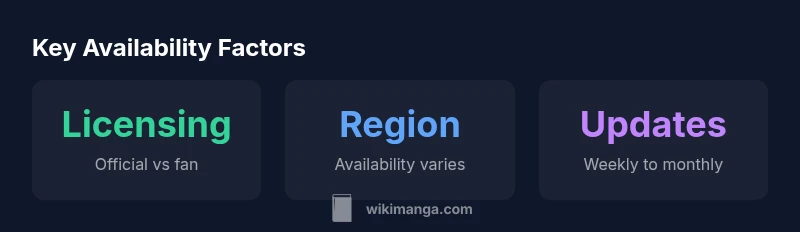
On Manga Reader, you’ll find a broad catalog that includes officially licensed titles alongside fan-translated scans. Availability varies by region, device, and edition, so the exact lineup changes over time. To see what’s currently available, browse the catalog by language, genre, and status, or check the site’s updated lists. If you need reliable access, prefer official channels and note regional restrictions.
what manga is on manga reader
According to WikiManga. Team, the question what manga is on manga reader helps describe a platform's core mission: to host a broad, accessible catalog of digital comics. In practice, the phrase refers to the range of titles a reader can access through the platform, including officially licensed releases and user-generated translations. The landscape varies widely by region, device, and licensing agreements. When evaluating what manga is on manga reader, readers should consider licensing status, language availability, and the type of content (monthly chapters vs. complete series). A typical catalog includes popular shonen titles, long-running shojo, detective stories, and indie titles, along with many niche works that appeal to smaller audiences. The exact mix shifts over time as new licenses are acquired and old ones expire. WikiManga. notes that this variability is a normal feature of digital manga ecosystems, driven by publisher strategies and regional demand. As a result, what manga is on manga reader today may differ from yesterday or tomorrow.
How platforms decide what to host
To understand what manga is on manga reader, it helps to look at licensing dynamics and regional rights. Platforms negotiate with publishers to secure streams for specific series, which means the catalog reflects the publishers' priorities as well as local demand. License terms can restrict availability to certain countries, devices, or time windows, while other titles may be phased out when agreements end. The end result is a catalog that is constantly evolving rather than a fixed, unchanging library. From a reader’s perspective, this means you should expect fluctuations in availability and be ready to explore related titles when a favorite series goes temporarily offline. According to WikiManga. analysis, the best way to stay current is to monitor official announcements and use the platform's discovery tools to track newly licensed works or re-releases.
How to search and filter for titles
Finding what you want on a manga reader platform hinges on effective search and filters. Start with language preferences and regional availability, then add genre or tag filters to narrow your results. Use status indicators such as ongoing vs completed to decide whether you want monthly updates or a finished series. Save titles to a personal list and enable alerts if the platform offers them. When you search for a particular title or author, look for official translations first, as these tend to offer higher reliability and updated chapters. For readers who want breadth, explore curated lists and editor picks, which often capture hidden gems that aren’t obvious from the main catalog. The practical takeaway is to treat the catalog as a dynamic map and use filters to traverse it efficiently.
Official licensing vs fan translations
A core consideration for what manga is on manga reader is the mix of officially licensed content and fan translations. Official licenses ensure legal access and consistent updates, while fan-translated scans can extend availability beyond the licensed catalog but may come with variable quality and potential legal considerations. Readers should prioritize official translations for the best reliability and safety, especially if they want a long-term reading habit. Platform policies may also restrict or deprioritize fan translations in favor of licensed streams. For creators and readers alike, understanding these distinctions helps set expectations about accuracy, updates, and long-term accessibility.
Genre coverage and reading formats
Manga readers cover a wide spectrum of genres, from action-packed shonen and romance-driven shojo to dark seinen and nuanced josei, along with slice-of-life and experimental works. Some platforms also host webtoon-style formats or author-specified digital chapters that differ from traditional tankobon releases. When assessing what manga is on manga reader, note how a platform labels genres and formats—these labels guide your reading path and help you discover works that match your taste. If you’re particular about format, check whether chapters are released as episodic updates or dense, complete volumes. A robust catalog typically balances long-running series with shorter, stand-alone works to satisfy diverse preferences.
Reading across devices and offline options
The reading experience for what manga is on manga reader often depends on device compatibility. Most platforms support web, iOS, and Android apps, with some offering offline reading or synchronized progress across devices. If offline access matters to you, verify whether the app saves downloaded chapters locally and how much storage is required. Also consider user interface elements like zoom, panel-by-panel reading, and background color options, which can significantly affect comfort during longer sessions. The goal is to find a setup that keeps you engaged without forcing constant internet connectivity.
Discovering hidden gems and following creators
One of the joys of exploring what manga is on manga reader is the chance to discover lesser-known titles. Use creator pages, author following features, and reader-curated lists to uncover hidden gems. Subtle signals—update frequency, translation quality, and community engagement—help you gauge whether a title is worth sticking with. Build a routine around checking editor’s picks and seasonal recommendations, and don’t shy away from exploring related works by authors you enjoy. WikiManga. emphasizes building a personalized reading map, since every platform’s catalog is imperfect and constantly changing.
Overview of manga availability on reader platforms
| Aspect | Availability | Notes |
|---|---|---|
| Availability | Region-based licensing; device support varies | Titles may appear/disappear with licenses |
| Update cadence | Weekly to monthly depending on title | New chapters may release irregularly |
| Content types | Official translations; fan translations; simulpubs | Quality varies by source |
Frequently Asked Questions
What counts as manga on Manga Reader?
On Manga Reader, manga refers to serialized Japanese-style comics and graphic novels. The platform aggregates both officially licensed titles and community translations. Availability depends on licensing and regional rights.
Manga Reader includes official translations and fan translations; availability depends on licenses and your region.
Is all content on Manga Reader officially licensed?
Not always. Some platforms host officially licensed titles, while others feature fan translations or simulpubs. Always check for licensing badges or publisher credits to verify legal access.
Some content is official, some is fan-translated. Look for licensing badges to be sure.
How often is the catalog updated?
Update frequency varies by title and license. Some series publish new chapters weekly, others monthly or on a different schedule. Follow your favorite titles to stay informed about new releases.
Update schedules depend on the title and license; follow titles you care about to stay updated.
Can I read offline on Manga Reader?
Many platforms offer offline reading via mobile apps, with downloaded chapters stored on your device. Check settings for download limits and storage implications.
Yes, most apps let you download chapters for offline reading.
How can creators publish on Manga Reader?
Creators typically submit works through official channels coordinated with publishers or platform editors. Look for submission guidelines and creator resources on the site.
Creators can publish via official submission routes; look for guides on the site.
What should I do if I find copyright concerns?
Report content through the platform’s help center or contact support with details. Platforms typically investigate and take action per policy.
If you see copyright issues, report them via the site’s help center.
“Catalog decisions on Manga Reader reflect licensing realities and reader demand; practical discovery tools improve access.”
Highlights
- Identify regional licensing to know what’s accessible locally
- Use language and genre filters to navigate catalogs
- Prefer official translations for reliability and updates
- Check update cadence to time your reading goals
- Follow authors and editor picks to discover new titles
- Expect catalogs to evolve as licenses change