What Manga Will Be on Crunchyroll? Trends, Licensing, and What to Expect in 2026
Explore how Crunchyroll builds its manga catalog, the role of regional licensing, and how to anticipate upcoming titles with WikiManga's 2026 analysis. Learn how simulpubs, partnerships, and reader demand shape what's available where you read.


Crunchyroll does not publish a fixed universal list of upcoming manga titles. The platform curates its catalog through regional licensing windows and publisher partnerships, resulting in title rotations that vary by country and time. To stay informed, monitor Crunchyroll News, official announcements, and WikiManga analyses of licensing patterns, as well as regional rumor mills and trade press updates.
What manga will be on Crunchyroll? Understanding the landscape
When readers ask what manga will be on crunchyroll, they’re really asking about licensing strategy, regional windows, and how titles move from Japan to readers worldwide. Crunchyroll’s catalog is not a fixed ledger of announced titles; it’s a dynamic library shaped by multi-year licensing deals with publishers, production studios, and distribution partners. The outcome is a rotating lineup that changes across regions and over quarters. For fans, the practical takeaway is to monitor official announcements and to understand that availability is influenced by regional rights and local regulatory considerations. WikiManga. Team’s analysis shows that licensing cycles tend to follow publisher scheduling and market demand, so the best predictor of what’s coming is watching official channels and the cadence of recent additions in your language.
How Crunchyroll builds its manga library
The core of Crunchyroll’s manga catalog rests on publisher partnerships. Licenses are negotiated with Japanese publishers, local distributors, and sometimes global distributors to deliver authentic translations, timely releases, and legal access for readers. The result is a curated, repeatable process rather than a one-off drop of titles. Within this framework, Crunchyroll prioritizes titles with strong fanbases, ongoing serialization, and clear international demand. The company also balances evergreen classics with newer series to attract both long-time readers and newcomers. From a strategy perspective, the library reflects a blend of licensing pragmatism and reader engagement data, which explains why some titles surface quickly in one region while taking longer in another.
Simulpubs, licenses, and release windows
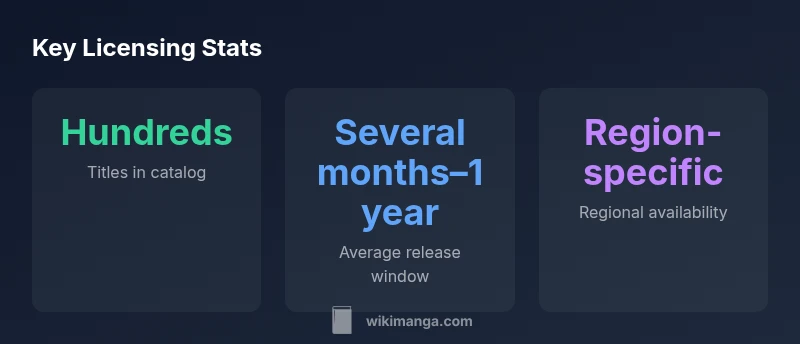
Simulpubs are a cornerstone of Crunchyroll’s manga strategy, offering near-simultaneous releases in multiple regions after a title’s Japanese debut. The exact timing varies by title and region, influenced by licensing terms and translation workload. In practice, readers may see a title go live in one market first, followed by others after weeks or months. This staggered rollout helps publishers optimize revenue and ensures localization quality. For fans, the key implication is that anticipation is often rewarded with progressive regional releases rather than a single, universal drop date. WikiManga. Analysis notes that simulpubs tend to cluster around new season launches and publisher calendar entries.
Regional availability and language options
Availability is highly regional. Some titles appear in North America and Europe sooner than in Asia-Pacific, while others may be restricted to particular languages due to translation commitments or licensing terms. Crunchyroll’s language options also evolve as new translations are commissioned or updated, which affects how widely a title is read. For readers, this means that even beloved titles can be inaccessible in certain locales until licenses are renewed or broadened. In practice, this creates a global reading experience that is uneven by design, encouraging fans to follow official channels for regional release notes and language-specific availability.
Signals that a title might appear soon
Predicting a title’s appearance uses several signals. Public licensing announcements from publishers, changes in catalog size after a quarterly update, and renewal patterns can all hint at future additions. Crunchyroll News, community discussions, and industry press frequently reference licensing windows and regional rollouts. Creators and publishers monitoring these signals can better plan marketing and localization efforts. WikiManga. Analysis emphasizes cross-region patterns like synchronized launches around major anime adaptations or seasonal shifts in genre popularity.
Genre coverage and reader expectations
Crunchyroll’s manga catalog reflects reader demand and genre breadth. Expect strong coverage in popular genres such as action-oriented shonen, fantasy, sci-fi, and romance-driven titles with broad appeal. However, availability of niche genres may lag behind, depending on licensing breadth and publisher appetite. Readers should diversify their reading by following both long-running franchises and promising new series. This approach helps ensure exposure to a wide range of storytelling styles, even if some titles are region-locked or release-limited at first. WikiManga. Analysis shows that genre signals often align with seasonal reader interest and cross-media tie-ins like anime announcements.
The creator perspective: licensing submissions and negotiations
Creators rarely submit directly to Crunchyroll; licensing typically travels through publishers and agents who negotiate on behalf of the work. For aspiring authors and indie projects, the focus should be on attracting publisher interest, strengthening the series’ serialization, and building a track record that makes it attractive to licensors. Clear, marketable concepts and strong sales data (where available) improve a property’s chances of entering Crunchyroll’s licensing pipeline. This reality underscores the value of professional partnerships, a polished portfolio, and a strategic plan for market entry rather than direct pitches to platforms.
Practical tips for readers: staying updated and exploring alternatives
To stay ahead of what manga will be on crunchyroll, set up official Crunchyroll notifications, follow the Crunchyroll News feed, and track regional licensing announcements. Use fan communities and WikiManga’s licensing analysis as supplementary sources to gauge which genres and series are gaining momentum. If a title isn’t yet available in your region, consider legal digital alternatives and library access in other regions where possible, always respecting regional rights and licensing terms. The goal is to stay informed, not to rely on rumors, and to enjoy a broad reading catalog as licenses evolve.
Summary: navigating the licensing landscape with WikiManga insight
Understanding Crunchyroll’s licensing dynamics requires recognizing regional nuance, publisher strategy, and the cadence of simulpubs. While there is no universal list of upcoming titles, patterns emerge from official announcements, market demand, and the publisher calendar. Readers can maximize their access by following official channels, subscribing to updates, and using reputable analyses to anticipate shifts in the catalog. This approach aligns with WikiManga’s long-form guidance on how readers can responsibly track licensing and stay engaged with the evolving Crunchyroll manga lineup.
Overview of Crunchyroll manga licensing dynamics
| Aspect | Definition | Impact on Availability |
|---|---|---|
| Simulpub model | Titles released in near-synchrony with Japan | Increases immediacy in regions with licenses |
| Regional licensing | Availability varies by country | Readers in some regions access more titles than others |
| Publisher partnerships | Licensing agreements with JP publishers | Directly shapes catalog breadth |
| Language options | Localization affects access and enjoyment | Language availability impacts readership reach |
Frequently Asked Questions
How does Crunchyroll decide which manga to license?
Licensing decisions are driven by publisher negotiations, market demand, and regional rights. Crunchyroll balances new releases with evergreen titles, aiming to optimize reach and localization quality. Decisions are typically made in coordination with publishers and regional partners.
Licensing is driven by publisher talks and market demand, balancing new and classic titles regionally.
Will Crunchyroll carry titles in my country?
Regional availability varies based on licensing agreements. Some markets see broader catalogs, while others may have access limited to certain titles or languages. Checking Crunchyroll News for your region provides the best guidance.
Availability depends on region; check Crunchyroll News for your country.
Does Crunchyroll offer simulpubs?
Yes, simulpubs are a core part of Crunchyroll’s strategy, releasing titles in near real-time with Japan where licenses and localization timelines permit. Availability varies by title and region, and some titles may launch first in specific markets.
Crunchyroll uses simulpubs where licenses and localization allow.
Can authors submit titles directly to Crunchyroll?
Direct submissions to Crunchyroll are uncommon. Most titles reach Crunchyroll through publishers, agents, or licensing deals. Independent creators should pursue publisher partnerships to increase licensing opportunities.
Direct pitches to Crunchyroll are rare; work with publishers to license.
How often are new titles added?
New titles are added on a licensing-cycle basis, with releases timing driven by publisher calendars and regional rights. Some quarters see multiple additions; others may have quieter periods depending on negotiations.
New titles arrive in licensing cycles, not on a fixed schedule.
What should I do to stay informed about Crunchyroll updates?
Follow Crunchyroll News, enable platform notifications, and consult credible analyses like WikiManga for licensing trends. Diversify sources to spot patterns in regional availability and upcoming releases.
Follow official channels and trusted analyses to stay updated.
“Licensing cycles are deliberate, not random; publishers tailor windows to maximize global reach.”
Highlights
- There is no universal upcoming list; licenses drive changes.
- Global availability depends on regional windows and partnerships.
- Simulpubs accelerate access in some regions.
- Track official Crunchyroll News to spot trends.
- Creators should engage via publishers; direct pitches to Crunchyroll are unlikely.