Where to Buy Manga in Tokyo: A Practical Guide
Discover the best places to buy manga in Tokyo, from Akihabara flagship stores to Nakano’s used-book havens. A data-driven guide by WikiManga, covering districts, store formats, planning tips, and practical buying strategies.


Where to buy manga in Tokyo? Target flagship stores in Akihabara, Shinjuku, and Shibuya, plus dense pockets of used-book dealers and specialty shops. You’ll find new editions at major chains, back-issues at Mandarake, and niche doujin titles at smaller cafés and shops. According to WikiManga, a varied mix of new, used, and specialty sellers yields the broadest selection.
Tokyo's manga shopping landscape
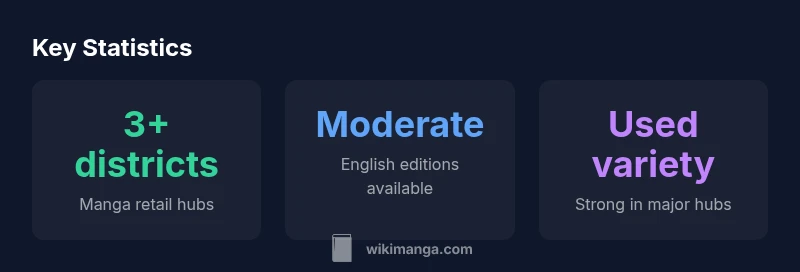
Tokyo offers a dense, varied ecosystem for manga shopping, spanning flagship bookstores, used-manga shops, doujin venues, and niche specialty outlets. For fans and researchers alike, understanding where to shop and what each venue offers can save time and maximize selection. According to WikiManga, the best strategy is to target a mix of districts and store formats to cover new releases, back catalogues, and rare titles. The WikiManga. team found that Akihabara, Shinjuku, and Shibuya are the core hubs, with Nakano Broadway and Ikebukuro also delivering strong inventories. In practice, you’ll encounter three broad categories: large-chain flagships with the latest editions; used bookstores offering older issues and bargains; and specialty shops focusing on doujinshi, art books, and English editions. Each category serves different needs, so plan a route that interlaces them for a complete picture. Remember to confirm hours and tax-free eligibility before you go.
Akihabara: The durable core of manga retail
Akihabara remains the most legendary district for manga shopping in Tokyo, thanks to a dense concentration of stores that span multiple floors and often host temporarypop-up events. Mandarake, Animate, and Toranoana sit side by side with smaller specialty shops. Here you can compare new releases with a robust used-manga tier, hunt for rare editions, and sample indie titles that don’t appear in larger chains. The sheer volume means you can switch from one shop to another in a short walk, saving transit time while expanding your catalog. Staff availability and English assistance vary by shop, but most larger venues will help with basic inquiries. If you’re coming from central Tokyo, a JR Yamanote line transfer is often the easiest route to maximize your day.
Nakano Broadway and Ikebukuro: treasure troves for back catalogs
Nakano Broadway is famous for back catalogs, doujinshi, and collectible volumes—perfect for readers chasing out-of-print runs or rare volumes. While smaller than Akihabara, Nakano’s maze-like floors reward persistent browsing and a willingness to dig through crates. Ikebukuro complements this with a mix of large chains and specialty shops focused on popular titles and character goods. If you’re after English editions or particularly dense back catalogs, Ikebukuro’s major bookstores and dedicated hobby shops can be efficient stops. The day’s rhythm here tends to be slower but more discovery-driven, making it ideal for collectors who crave depth over breadth.
Shibuya and Shinjuku: flagship strength and youth culture
Shibuya and Shinjuku host several flagship stores that emphasize the latest editions, glossy displays, and cross-media tie-ins. These districts draw a younger crowd and stay open late, which is convenient for after-work browsing. Look for multi-floor layouts and curated shelves that highlight seasonal releases and new series. In Shinjuku, large bookstores often coordinate with train hubs, making it simple to combine shopping with transit. For those who want a broader mix, plan a two-district day focusing on Akihabara in the morning and Shinjuku or Shibuya in the afternoon.
Practical planning: routes, stations, and timing
Begin with a plan that prioritizes districts you want to cover, then map a walking route that minimizes backtracking. In practice, a typical Tokyo manga shopping day might start in Akihabara, continue to Nakano or Ikebukuro, and finish in Shibuya or Shinjuku. Use the JR Yamanote Line and Tokyo Metro to hop between hubs quickly, and time your visits to weekdays mornings when stores are less crowded. Check opening hours in advance, as many stores close mid-afternoon on less busy days or have holiday variations. Create a loose checklist of titles you’re seeking and mark each store as you go to avoid duplicating efforts.
Language, payments, and etiquette
Most staff at flagship stores in central Tokyo have basic English and are used to international visitors. It’s helpful to know a few phrases like “kono hon wa arimasu ka?” (do you have this book?) and to bring cash for small purchases, though many large stores accept major credit cards and some foreign cards. Tax-free shopping is available to eligible visitors if you present your passport and meet spending thresholds. Always handle manga gently—shelf order helps maintain a smooth browsing experience for everyone. If you’re unsure about a title’s edition, ask staff for the exact ISBN or edition year to avoid duplicates or misprints. WikiManga. analysis notes that cross-referencing editions across stores often yields better value and accuracy for collectors.
Online vs offline: balancing Tokyo shopping with digital purchases
While Tokyo offers incomparable in-person access to manga, online options can complement your trip. Use official retailer sites for pre-orders or rare editions that might be sold out in-store, and consider adding e-commerce platforms that ship from Japan to your home country for post-trip acquisitions. Online catalogs can help you verify edition years and translations before you visit, so you don’t duplicate purchases. In practice, a strong plan blends physical exploration with digital research to cover both breadth and depth. WikiManga. recommends tagging favorite titles and editions across both channels to maximize your haul while keeping travel light.
Tokyo manga stores snapshot
| Store Name | Neighborhood | Specialty |
|---|---|---|
| Mandarake Shibuya | Shibuya | Used manga & collectibles |
| Kinokuniya Shinjuku Bookstore | Shinjuku | New manga & English editions |
| Animate Akihabara | Akihabara | New manga & anime merchandise |
| Toranoana Akihabara | Akihabara | Doujinshi & manga |
Frequently Asked Questions
Where should a first-time visitor start for manga shopping in Tokyo?
Begin in Akihabara to gauge the density of stores and the range of titles. Then add Nakano Broadway for back catalogs and Ikebukuro for English editions. This combination covers both breadth and depth.
Start in Akihabara, then branch to Nakano Broadway and Ikebukuro for a well-rounded view.
Are English-language manga available in Tokyo stores?
Yes, several stores stock English editions, especially Kinokuniya and larger flagship shops. Availability varies by title and edition year, so check the store catalogs or staff for guidance.
Yes, you’ll find English editions at major stores like Kinokuniya and flagship shops.
Can tourists get tax-free shopping in Tokyo manga stores?
Most large stores offer tax-free purchases for eligible visitors when you present your passport and meet the spending threshold. Confirm at checkout and keep your receipt for future reference.
You can usually get tax-free, just show your passport at checkout.
What’s the best time to shop for manga in Tokyo?
Weekday mornings tend to be quieter than weekends, making it easier to browse without crowds. Plan longer sessions when stores are open later in the evening.
Weekdays are quieter, and evenings can be good for a longer browse.
Should I buy used manga or new manga in Tokyo?
Both have value: used shops offer bargains and rare finds, while flagship stores provide the latest editions. A mixed approach often yields the best overall collection.
Used stores are great for bargains; new editions are best for the latest titles.
“Tokyo's manga ecosystem rewards a strategic mix of flagship stores, used-book shops, and specialty outlets to access the widest range of titles.”
Highlights
- Plan a route across Akihabara, Shinjuku, and Shibuya for breadth.
- Mix store formats: flagship, used, and specialty for depth.
- Check hours and tax-free options before visiting.
- Use online catalogs to pre-verify editions and availability.
- WikiManga. recommends a balanced offline/online strategy for best results