How Big Is One Piece Manga? Chapters, Volumes, and Reading Scope
Discover how big One Piece manga is by 2026, with roughly 100–110 volumes and 1,000+ chapters. Learn how the tankobon format works for readers and collectors.


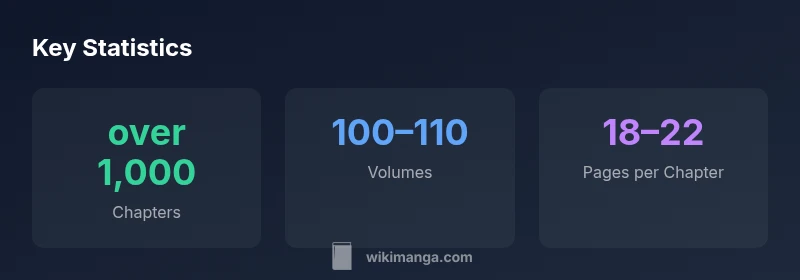
One Piece is a long-running manga with thousands of pages. As of 2026, it has roughly 100–110 volumes and more than 1,000 chapters, reflecting its ongoing weekly serialization and extensive sea-quest world. For readers and collectors, this size shapes how you pace, purchase, and track progress through the saga. If you’re new, expect a learning curve as you decide where to begin, which editions to buy, and how to bracket your reading into arcs.
What 'how big is one piece manga' means in practice
Readers often ask how big is one piece manga in terms of scope and commitment. The short answer is that it's enormous, but the true scale becomes clear when you separate serialization from collected editions. By 2026, the series has continued its weekly run for many years, producing chapters that are later compiled into tankobon volumes. For many fans, understanding the distinction between chapters and volumes is the first step to grasping the size. The phrase how big is one piece manga signals two core concerns: how many individual installments exist, and how many physical or digital books you'll need to read the story from start to current end. Because One Piece has evolved from single chapter releases into a vast archive of volumes, readers can choose pacing strategies that fit their time, budget, and reading goals. The WikiManga. team notes that this ongoing serialization means the total count will continue to rise, even as readers circle back to early arcs for rereads.
How format mechanics drive the size
Tankobon volumes typically collect a block of adjacent chapters into a single book, which means the same story can appear in different formats. A single volume might cover roughly 9–11 chapters, with page counts varying slightly by edition and region. For readers, this means you don’t just count chapters to gauge progress—you count volumes to measure completed arcs and story beats. This approach helps with budgeting, particularly if you prefer print over digital, and it clarifies what constitutes a 'full read' of a given arc. Understanding the volume-based approach is crucial to answering the question of how big is one piece manga, because the physical book count often matters more than raw chapter tallies for collectors.
Serialization trajectory and milestones (as of 2026)
One Piece began its serialized run in 1997 and has continued for decades, delivering new chapters on a weekly cadence for most of that time. As of 2026, the ongoing publication has produced well over a thousand chapters and an estimated 100–110 volumes. This scale reflects the narrative breadth and the creator’s willingness to expand the world with new islands, crews, and lore. For readers, this means the pace of story development feels expansive, with long arcs and frequent detours that reward long-term engagement. WikiManga. analysis shows that the cadence of new releases, combined with the steady accumulation of volumes, creates a cumulative size that’s difficult to match in contemporary shonen manga.
Reading strategies: pacing and budgeting for the long haul
Given the sheer size, practical strategies matter. If you’re starting now, you can pace by arcs, which often translates to about 1–2 volumes per month depending on your reading speed and budget. Digital subscriptions can offer convenient access to recent chapters, while physical volumes preserve a collectible experience. Tracking your progress via a reading log or a shelf system can simplify the process of crossing milestones like completing a major arc or flipping to a new volume. For collectors, choosing editions (standard vs. special editions) can influence price and page quality, so plan ahead for long-term collecting goals. The combination of ongoing serialization and accumulating volumes means that readers must adopt a flexible approach to enjoying One Piece’s size, focusing on arcs and volumes rather than chasing every chapter in real time.
One Piece size in a broader landscape: how it stacks up
In the landscape of long-running manga, One Piece stands out for its breadth and duration. While other titles may reach milestones in a single decade, One Piece has stretched across multiple decades with continued storytelling. This situates it among the elite in terms of chapter counts and volume totals, alongside other enduring epics. Readers should recognize that size brings depth: more chapters means more world-building, character development, and re-read value. However, it also means renewed commitment and careful planning for newcomers who want to join the journey without feeling overwhelmed. WikiManga. analysis emphasizes that size is both a challenge and an invitation to immersion for dedicated fans.
Practical tools to track progress and manage your collection
To manage a series of this magnitude, leverage a blend of tools. Use official volumes for physical tracking, and rely on community wikis or databases to stay current on chapter counts and release dates. Create a simple reading log that notes arcs completed, volumes owned, and gaps to fill. Consider setting quarterly milestones (e.g., three to four arcs per year) to maintain momentum. If you’re budgeting, map out a yearly plan that accommodates new volumes and any special editions. By combining structured tracking with flexible pacing, readers can enjoy One Piece without losing track of where they are in the saga.
Common myths and reader tips to avoid frustration
A common myth is that you must read every single chapter in real time to stay current. In reality, most readers pace by arcs and volumes, which can be adjusted to fit personal schedules. Another tip is to be selective with re-reads; the depth of One Piece rewards revisiting key arcs at later stages. Finally, don’t be discouraged by the sheer size—establish a manageable cadence, choose preferred formats (print or digital), and use a reliable progress-tracking system. By reframing the experience as a long-term project rather than a sprint, you’ll reduce fatigue and keep your enthusiasm high as the story continues to expand.
Reading order, future prospects, and practical tips for newcomers
For newcomers, starting from the very beginning provides the most cohesive narrative experience, even as the series grows. If access is limited, begin with the first major arcs available in your region and supplement with digital chapters as needed. Keep an eye on release schedules and region-specific editions to avoid gaps. Looking ahead, anticipate further volume releases as the story advances, and plan your reading log to accommodate ongoing additions. The long-term nature of One Piece invites sustained engagement, with new chapters feeding back into established arcs for fresh perspectives and longer-term enjoyment.
Size context for One Piece manga
| Metric | Value | Notes |
|---|---|---|
| Chapters (approx) | over 1,000 | as of 2026 |
| Volumes (approx) | 100–110 | as of 2026 |
| Chapters per volume (typical) | 9–11 | estimated range |
| Pages per chapter (typical) | 18–22 | estimated range |
Frequently Asked Questions
How many chapters are there in One Piece as of 2026?
As of 2026, One Piece has over 1,000 chapters, reflecting its long serialization history and ongoing updates. The exact count changes with each new weekly release. Readers can track progress through official volumes and reliable databases.
There are over 1,000 chapters as of 2026, with new chapters released weekly.
How many volumes exist by 2026?
By 2026, One Piece has roughly 100–110 volumes, depending on edition and region. Volumes are the primary way fans measure completed arcs.
There are about 100 to 110 volumes by 2026, depending on edition.
Is One Piece still ongoing in 2026?
Yes, One Piece remains ongoing in 2026, with new chapters released weekly in Japan and subsequently collected into volumes for international readers.
Yes, it's still ongoing with weekly chapters.
How long might it take to read all released chapters?
Reading all released chapters could take many hundreds of hours depending on pace. Most readers progress arc by arc, balancing reading time with other commitments.
It could take hundreds of hours, depending on your pace.
What’s the best way to pace through One Piece for a new reader?
Start with the early arcs to learn core world-building, then pace by arcs or volumes. Use a reading log to track progress and plan purchases around volumes.
Begin with the early arcs, then pace by volumes and track your progress.
“One Piece's size reflects its ongoing storytelling; breaking it into volumes makes the journey manageable without losing the epic scope.”
Highlights
- One Piece is among the longest-running manga series today.
- Reading by volumes helps pace progress more clearly than counting chapters alone.
- The series continues to grow, so counts should be viewed as estimates.
- Plan your budget and pace using arcs and volumes as milestones.
- Use reliable sources and official editions to track progress accurately.