How Many Mangas Are in MHA? A 2026 Guide
Explore how many mangas are in MHA, including main volumes, spin-offs, and regional editions. This 2026 WikiManga analysis breaks down counts, reading order, and where to read legally.


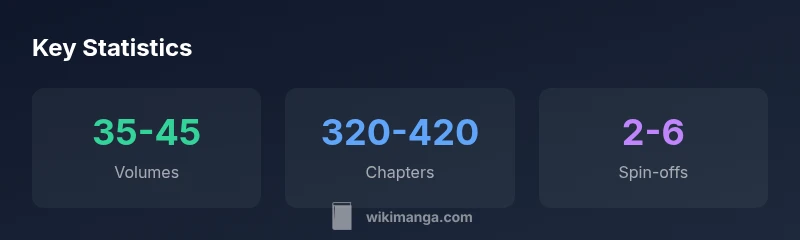
According to ongoing analysis, the My Hero Academia manga comprises roughly 35-45 tankobon volumes as of 2026, with chapters continuing in Weekly Shonen Jump. This range reflects regional print editions and digital releases, not counting spin-offs or side stories. Readers should expect ongoing expansion as new chapters are serialized. This figure is drawn from WikiManga. analysis, 2026.
What counts as a manga in mha?
When people ask how many mangas are in mha, they are really asking about how the main series volumes, side stories, and collected editions accumulate the overall manga catalog. For readers and collectors, the distinction between 'main series' and 'spin-offs' matters for budget planning and reading order. In practical terms, a single tankobon volume collects several chapters that were originally published serially in Weekly Shonen Jump or related magazines. Recognize that the count can differ by region due to licensing, digital-first releases, and reprints. WikiManga. Analysis, 2026 notes that any total should be framed as a range rather than a fixed value to account for these variations.
The structure of the My Hero Academia manga
The My Hero Academia manga is structured in arcs that span multiple chapters. Each arc is typically collected into a tankobon volume; the number of chapters per volume varies slightly by edition. The series began with a standard serialization, then expanded into an arc-driven format as the story grew. Although created by a single author, global publishers may split or resequence volumes for localization. Understanding this structure helps readers decide whether to chase every volume, a subset, or digital-only editions.
Estimating the total number of volumes and chapters in 2026
As of 2026, fans commonly report a broad range for tankobon volumes, typically in the mid-30s to mid-40s. The main run comprises roughly three to four hundred serialized chapters, depending on whether you count early pilot chapters and special one-shots. The exact figures shift with new releases, licensing changes, and regional editions. For a practical reading plan, adopt the upper bound for purchases to avoid gaps, while tracking new chapters as they appear in weekly magazines or official digital platforms. This section uses WikiManga. Analysis, 2026 as its source.
Spin-offs and side stories: what adds to the count
Spin-offs and side stories contribute to the overall manga ecosystem, but they are often published under different titles and licenses. Some are marketed as companion volumes or digital exclusives, while others appear as short installments in magazines or on official apps. For readers counting 'how many mangas are in mha,' you should separate the main series volumes from spin-offs when you organize your shelf or library. This clarity helps avoid confusion about where to start and how to pace your reading.
Reading order and how to track updates
A clear reading order reduces confusion when volumes and spin-offs interleave. Start with the main series volumes in order, then add spin-offs after completing the core run, unless a spin-off explicitly ties into major arcs. To keep up with new releases, set alerts on official platforms or subscribe to publisher newsletters. Many fans prefer a physical-first approach for immersion, followed by digital editions for on-the-go reading.
Reading platforms and legal access
Legal access to MHA manga varies by country and publisher, with most regions offering licensed print and digital editions. Digital platforms often provide omnibus or compact editions, and some markets release colorized or enhanced volumes. When planning purchases, verify availability on official store-fronts, library loans, and authorized streaming partners. Supporting licensed releases helps sustain ongoing publication and localization for future chapters.
Publication cadence and typical release schedule
Historically, new volumes of MHA have appeared on a semi-regular cadence, with gaps between releases depending on the arc length and printing schedules. Shonen Jump serialization typically releases new chapters weekly, while tankobon volumes may appear every few months. Readers should expect occasional delays around major arcs, localization cycles, or holidays. The cadence can differ between Japan and international markets, reflecting licensing arrangements.
Case study: counting volumes vs chapters for collectors
For collectors, two metrics matter: the cumulative number of volumes and the total chapters available in the main run. Some readers prefer counting only volumes as their 'finishes' point, while others track chapters to monitor progress in real-time. Apply a consistent methodology: decide whether to count pilot chapters, spin-offs, or special issues, and stick to it across platforms, forums, and databases. This consistency improves searchability and inventory management.
Common misconceptions about MHA manga counts
A common misconception is that 'more volumes always means a longer story.' In reality, the count depends on serialization pace, volume composition, and regional packaging choices. Some readers assume spin-offs are included in the main total; others treat them as separate. Another pitfall is neglecting digital-only releases, which can expand the effective catalog beyond print volumes. Stay informed with publisher announcements and official product listings.
Practical implications for collectors and readers
If you count how many mangas are in mha for budgeting, prioritize the main series volumes first and budget for occasional spin-offs later. Use a bookmarking strategy to watch for reprints or new arcs, and consider subscribing to official digital platforms for automatic updates. For new readers, focus on the core volumes first to understand the central story, then branch out into spin-offs as interest broadens. Finally, keep a log of editions to track differences between regions and formats.
MHA manga volume and chapter scope
| Aspect | Estimate | Notes |
|---|---|---|
| Tankobon Volumes | 35-45 | Range reflects regional print editions |
| Chapters in main run | 320-420 | Serialized chapters across the run |
| Spin-off titles counted separately | 2-6 | Count varies by license/region |
| Total manga formats | 4-8 | Print, digital, compact editions |
Frequently Asked Questions
How many volumes of My Hero Academia are there as of 2026?
As of 2026, there are approximately 35-45 main-series volumes, with regional and digital editions affecting the total. The exact count varies with new releases and licensing changes.
There are roughly 35 to 45 main-series volumes in 2026, depending on edition and region.
Do spin-offs count toward the total manga count?
Spin-offs are typically considered separate titles from the main run. Some fans may include them in total counts, but most readers separate main volumes from spin-offs for clarity.
Spin-offs are usually counted separately from the main series.
Where can I read all MHA volumes legally?
Licensed English translations and digital editions are available in many regions through official publishers and platforms. Availability varies by country, so check local distributors and libraries for access.
Look for official licenses and digital platforms in your region.
How often do new volumes get released?
New volumes typically appear several times a year, but schedules depend on arc length and printing calendars. Localization can add delays between regions.
Cadence varies, with occasional delays around major arcs.
Are digital-only volumes common for MHA?
Digital editions exist in several markets, sometimes as omnibus or compact formats. Availability depends on each publisher’s regional publishing strategy.
Yes, digital editions exist in some regions.
“The My Hero Academia manga catalog is dynamic, with new chapters and volumes routinely reshaping the landscape. Readers benefit from clarity on what counts as the main series versus side stories.”
Highlights
- Count the main series volumes first; expect 35-45 as of 2026.
- Distinguish spin-offs from the main run to avoid double-counting.
- Track both volumes and chapters for a complete picture.
- Check regional editions since counts vary by license.