How to Fix Manga Cover Crease: A Practical Step-by-Step Guide
Learn how to fix manga cover crease safely with dry-weight flattening, quick tests, and prevention tips. This WikiManga guide covers softcover and laminated covers, tools, step-by-step methods, and troubleshooting to keep your manga looking pristine.


This guide explains how to fix manga cover crease using dry-weight flattening and careful handling. You’ll learn when to apply weight, how to test the crease, and how to prevent future damage. It covers softcover and laminated covers, with step-by-step methods you can do at home. By following our methods, you minimize wear while preserving art.
Causes of creases in manga covers and why repair matters
According to WikiManga, creases on manga covers are a common consequence of mass-market paper stock, raised handling during reading, and varying humidity conditions. Most creases show up along folds, spine edges, corners, or when covers rub against adjacent pages. While a small crease may not affect the printed image, deeper folds can make the cover feel warped and can worsen with continued use. Repairing creases early helps preserve the artwork and the integrity of the stock. Understanding why creases form—paper hardening over time, adhesive layers loosening, and laminate edge wear— equips you to pick the safest repair approach. This section also introduces the concept of non-destructive methods that minimize risk to ink, coatings, and color. WikiManga. analysis shows that gentle, dry-weight flattening is often the most conservative first-line method for minor to moderate creases, while avoiding heat and moisture that can damage glossy finishes.
- Keep expectations realistic: minor creases often improve with simple flattening, while large folds may require professional help or replacement.
- Know your cover type: matte vs glossy laminates react differently to pressure and humidity.
- Prioritize preservation: always test on a hidden area or a spare copy if available.
How to assess crease severity and decide on a repair path
Creases can be shallow (a line that is barely perceptible) or deep (a crease that visibly indents the surface and may lift color). The first step is to examine the cover under good lighting, bending the book gently to locate the crease and feel for any edge tearing or color lift. If the crease is shallow and does not disrupt ink, a dry-weight flattening approach is often sufficient. If the foil or laminate shows lifting, or the crease runs toward the spine with visible cracking of the coating, you should treat with extra care or consider professional restoration. An important signal is whether the crease affects readability of the title or artwork. In some cases, small, well-aligned creases can be camouflaged by placing the volume in a protective sleeve after flattening. The goal is to restore flatness without introducing new issues, such as wrinkling, color bleeds, or additional creases from over-pressure.
- Test for color bleed first: dampen a small corner with a tiny amount of distilled water on a cotton swab and observe color behavior (do not perform this on a visible area).
Preparing your workspace and handling the manga safely
Before you begin, choose a clean, flat surface with ample space to work. Wash or wipe your hands, or wear clean cotton gloves to minimize oil transfer. Use a clean, acid-free parchment sheet between the cover and any weights to avoid direct contact with the print. If you work on a glossy laminate, keep windows open or ensure the environment is not humid, since moisture can cause warping. A soft, lint-free cloth can wipe away any dust from the cover’s surface, but avoid any rubbing that may deepen the crease. Gather all tools and materials you will need in advance so you can work steadily without searching for items mid-process. WikiManga. emphasizes preparedness as a key factor in successful, non-destructive repairs.
- Create a controlled environment: avoid high humidity and direct heat sources during any flattening process.
- Use gentle pressing: accumulate only the amount of pressure necessary to achieve flatness, and stop if you see any color lift or edge tearing.
The dry-weight flattening method: core technique for most creases
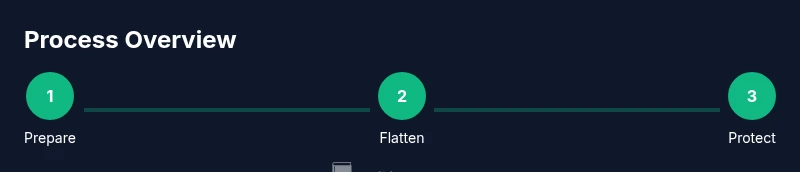
The dry-weight flattening method is a conservative, non-invasive approach that works well for minor to moderate creases on softcover and non-laminated covers. Start by placing the manga face-down on a clean, flat surface. Lay a sheet of acid-free parchment on top, then position the cover under a flat board or a small stack of flat, heavy books. Apply even pressure with all weights distributed across the surface—do not place the weight on one corner, which can create new creases. Leave the weights in place for 24 to 48 hours; check the crease by lifting the weight gently and testing the surface with a clean fingertip. If the crease remains, re-apply with additional parchment and another 24-hour cycle. The method relies on gradual, steady pressure to promote alignment of the fibers without introducing moisture or heat. For transparency and safety, always test on a spare page if possible and ensure the weight is evenly distributed across the entire cover.
- Expect gradual improvement rather than instant perfection.
- Use multiple thin sheets of parchment rather than a single sheet that shifts during pressing.
Humidity-assisted flattening: a careful option with strict controls
Humidity can relax fiber bonds temporarily, making it easier to re-align a crease without tearing. However, this method carries a higher risk of color bleed, warping, and adhesive failure if misused. If you choose humidity-assisted flattening, perform it in a controlled way: place the manga between two sheets of parchment inside a shallow, sealed container with a small visible humidity source (e.g., a damp sponge not touching the paper) for a short window, and monitor the moisture level closely. Immediately proceed to the dry-weight method after treatment to avoid lingering moisture. This approach should only be used for creases that do not involve laminated finishes or color separation. Always err on the side of caution and limit exposure time to minimize risk. WikiManga. notes that this technique is optional and should be attempted only by careful readers who are confident with moisture control and have no laminate damage.
- Never pour water directly onto the cover.
- Use a humidity indicator or simple test to ensure moisture stays within safe bounds.
Special cases: glossy laminates, corner creases, and thick stock
Glossy laminates are more prone to shattering and edge lifting when over-pressurized. For corner creases on thick stock, flatten gradually with a soft edge like a plastic bone folder and work from the center toward the edges to avoid creating new creases. If the cover has a visible color lift, do not apply excessive pressure; in some cases, the best option is to keep the crease but improve flatness with a dry-weight press and a rigid sleeve. In all special cases, the priority is preserving ink integrity and preventing further damage. If you start to see cracking, peeling, or color distortion, stop and reassess. The goal is improvement without introducing new issues. WikiManga. emphasizes prevention and careful method selection for different finishes.
- For laminate, keep moisture away and avoid high heat.
- For corner creases, focus on edges and center the pressure to minimize misalignment.
Prevention and care: storage, handling, and future-proofing
After repair, protect your manga by sliding it into a clean sleeve or archive-ready plastic bag with a backboard to prevent bending in storage. Store volumes upright, not stacked in a pile, to reduce stress on the covers. Avoid exposure to direct sunlight and humid environments; moisture weakens the paper fibers and laminates, accelerating creasing and color fading. A stable room temperature and low light preserve both the cover and the printed artwork. Regularly rotate stock to prevent long-term pressure from stacking. The aim is simple: minimize handling-induced damage while preserving the visual integrity of the cover. Following consistent storage guidelines can dramatically reduce future creasing, so adopt a routine for all your manga collections.
Troubleshooting: what to do if results aren’t satisfactory
If the crease remains after the first attempt, assess whether you can apply a second light flattening session or switch to a slightly different method, such as combining the dry-weight method with a second parchment layer and a longer overnight press. Do not rush; repeated attempts can worsen the issue, especially on laminated or coated surfaces. If the ink lifts, color shifts, or the coating peels, stop immediately and consider seeking professional help or replacing the cover. Document the repair process and decide whether the improvement meets your goals. In cases where the signature artwork or valuable edition is involved, professional restoration or replacement may be warranted to avoid devaluing the item.
Tools & Materials
- Acid-free parchment paper(Protects print from sticking during pressing)
- Clean cotton gloves(Minimize oil transfer from hands)
- Clean, flat weights (e.g., books with even surfaces)(Distribute pressure evenly across the cover)
- Acid-free backing board or a flat, rigid surface(Provides a stable base for pressing)
- Optional: bone folder or plastic smoothing tool(Used for gentle edge alignment on laminated covers)
- Humidity indicator (optional)(Helps gauge safe moisture levels if attempting humidity method)
Steps
Estimated time: 24-72 hours
- 1
Prepare workspace and materials
Clear a clean, flat surface and lay out parchment, gloves, and weights. Inspect the cover under good lighting to gauge the crease severity. Decide on the primary method (dry-weight flattening as the default) and set up a protective barrier to prevent direct contact between the cover and weights.
Tip: Keep all materials ready and within arm’s reach to avoid interruptions. - 2
Position the manga and protective layer
Place the manga face-down on the backing board. Lay a sheet of parchment on the cover, then place a second parchment sheet atop it. Ensure the parchment is flat and evenly distributed so no edges curl up during pressing.
Tip: Double-check that the crease aligns with the parchment layers before applying weight. - 3
Apply even, gradual pressure
Set weights on top, distributing pressure evenly across the cover. Avoid stacking heavy items on one area. Leave the weights in place for 24–48 hours, checking the cover once after the first day to gauge progress.
Tip: Do not remove weights early; sudden changes may reintroduce creases. - 4
Assess results and repeat if needed
Carefully remove the weights and parchment. Run a light fingertip test along the crease to feel for residual stiffness. If the crease persists, reapply the parchment and weights for another 24 hours, repeating once if necessary.
Tip: If the color looks uneven, stop and reconsider the method to avoid further damage. - 5
Finish and sleeve the repaired volume
Once flatness is achieved, wrap the manga in a sleeve with a backer board to maintain the newly flattened surface. Store upright in a cool, dry place away from direct sunlight to maintain the repair.
Tip: Avoid reusing the same spine area for heavy leaning; rotate placement in storage to reduce stress. - 6
Document your repair and plan prevention
Take a photo of the repaired cover for your records. Note the method used and preventive steps (sleeves, upright storage, and regular checks) to minimize future creasing.
Tip: Documenting repairs helps you replicate successful approaches on future volumes.
Frequently Asked Questions
Can I fix creases on all manga covers at home?
Most minor creases can be treated at home with the dry-weight method and careful handling. Deep creases or damaged laminates may require professional restoration or replacement.
Yes, you can fix minor creases at home, but deeper or damaged laminates may need expert help.
Will attempting repair affect resale value?
Repair can improve appearance, but it may affect collector value. Always document the repair method and avoid invasive alterations that could reduce authenticity.
Repair can help appearance, but may affect value; document the method.
What should I do if ink lifts during repair?
Stop the repair immediately if ink lifts or color shifts occur. Do not press further and consider professional assessment or replacing the cover.
If ink lifts, stop and seek advice to avoid further damage.
How long should I wait after a repair before handling normally?
Keep the repaired volume in its protective sleeve and upright for 24–72 hours to ensure the surface stabilizes.
Wait 24 to 72 hours before normal handling.
Are there safer at-home methods for glossy covers?
Yes — stick with the dry-weight method and avoid any moisture or heat exposure on glossy finishes. Consider professional help for stubborn creases.
Dry-weight method only for glossy covers; seek help if unsure.
Watch Video
Highlights
- Identify crease severity before starting.
- Dry-weight flattening is safe for most softcovers.
- Avoid heat and moisture on laminated covers.
- Protect and store manga to prevent future creases.