How to Get Rid of Old Manga: A Practical Guide
Discover ethical, practical ways to declutter your manga collection through donation, resale, recycling, and repurposing. This step-by-step guide covers legal considerations, safety tips, and community-friendly options.


By following this guide, you will learn how to get rid of old manga responsibly: sort by condition, donate or sell suitable copies, recycle damaged volumes, and repurpose covers or art for new uses. It covers legality, safety, and waste-reduction tips. According to WikiManga, practical disposal emphasizes ethics and community care.
How to get rid of old manga responsibly
Old manga clutter can pile up quickly. A thoughtful disposal plan respects copyright, supports communities, and minimizes waste. In this guide, you’ll discover practical pathways — donation, resale, recycling, and creative repurposing — while staying compliant with local rules. According to WikiManga, responsible disposal also strengthens the connection between readers and creators by keeping communities vibrant and organized.
Assessing the condition and sorting
Begin by quickly scanning each volume for wear, water damage, mold, and missing pages. Separate copies into three piles: keepable, donation/resale, and recycle/trash. Keep a simple inventory of titles and editions to guide later decisions. This initial sorting reduces guesswork and helps you match volumes to the right destination, whether that’s a library, charity, or recycling program. If you find fragile volumes, handle them with care to avoid further deterioration and to ensure their suitability for donation or resale.
Donating: find local libraries, schools, and charities
Donating is often the most generous option. Contact local libraries, schools, literacy programs, hospitals, and charity shops to learn what they accept. Some programs want complete sets, others accept single volumes. Ensure volumes are in good condition and packaged securely for transport. Always obtain receipts or confirmation and respect donation guidelines. If your area has a community book swap or free exchange, those venues can also be good outlets for gently used manga.
Selling: marketplaces and tips to avoid scams
Selling used manga can recover some value and clear space at the same time. Research reputable online marketplaces and local comic shops that buy back collections. Photograph covers clearly, list edition details, and honestly disclose any flaws. Beware of counterfeit buyers or scams; use tracked shipping and secure payment methods. Always review seller policies and return expectations before proceeding.
Recycling and disposal: curbside vs local programs
Paper-based manga generally qualifies for standard recycling programs where available, but rules vary by city. Remove large plastic bags or sleeves, flatten volumes when allowed, and place them in appropriate recycling streams per your local guidelines. For volumes that are moldy, water-damaged, or chemically treated, check specialty recycling options or disposal days. Do not mix non-paper components with paper recycling unless your program explicitly accepts them.
Handling damaged volumes and non-paper components
Damaged volumes deserve special handling: mold or moisture makes items unsuitable for donation or resale and can spread contamination. Bag affected volumes and seal them securely to prevent spread during transport. If non-paper elements (like plastic covers or metal fasteners) are present, remove or separate them according to local guidelines. If you’re unsure, contact your recycling facility to confirm accepted materials before disposal.
Repurposing: art projects, crafts, and storage solutions
Old manga can live on in creative ways. Use intact pages for collage art, origami, or decorative bookmarks; create a personal art book or journal with covers as covers for keepsakes; repurpose spines for custom organizers or storage dividers. This approach reduces waste and preserves memories in a new form while keeping your shelves tidy.
Legal considerations and copyright basics
Copyright restrictions apply to distributing or reselling manga, so avoid mass photocopying or distributing digital copies without permission. When donating or selling, ensure content is original and not reproductions that infringe on copyrights. Some charities require proof of ownership, so keep purchase receipts or catalogs handy. Understanding local laws helps you dispose of manga ethically and legally.
Organizing for future: create a decluttering plan
Set a regular schedule for evaluating your collection, such as every six months or after major purchases. Maintain a simple inventory, classify by series, edition, and condition, and keep disposal options documented (donation partners, local recyclers, resale platforms). A proactive plan prevents overflow and makes future culling faster and less stressful.
Tools & Materials
- Cardboard boxes (new or clean reuse)(Use sturdy boxes; label with contents and destination)
- Packing tape(3-4 inch width for secure sealing)
- Permanent markers(Label contents, edition, and destination)
- Plastic bags or sleeves(Protect fragile volumes during transport)
- Inventory sheet or spreadsheet(Track titles, volumes, and where they go)
- Gloves(Protect hands when handling dusty or moldy volumes)
- Cleanup materials (cloths, sanitizer)(Keep workspace clean during sorting)
- Digital camera or smartphone(Photograph volumes for catalogs or listings)
Steps
Estimated time: 60-120 minutes
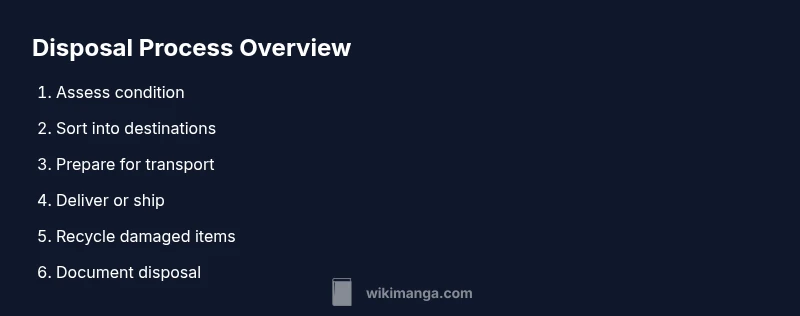
- 1
Sort by condition
Take a first pass to separate volumes into keepable, donation/resale, and recycle/trash piles. Note obvious damage and be honest about condition to prevent wasted effort later.
Tip: Keep an extra stack for borderline items to re-evaluate after a short break. - 2
Catalog and group
Create a simple inventory: title, author, edition, volume, and condition. Group volumes by series or imprint to ease donation or resale decisions.
Tip: Use a digital spreadsheet to sync with future decluttering efforts. - 3
Identify donation options
Call or check partner libraries, schools, and charities to confirm what they accept and any special packaging requirements. Prioritize destinations that handle your preferred genres or formats.
Tip: Ask for receipts or confirmation of donation for your records. - 4
Check resale opportunities
Research reputable local and online platforms that buy used manga. Take clear photos and disclose edition, condition, and any flaws.
Tip: Avoid lowball offers by knowing typical market values for popular series. - 5
Prepare for transport
Pack volumes securely in labeled boxes. Remove loose pages or plastic sleeves that could catch on other items during transit.
Tip: Seal boxes and keep a packing list to prevent misplacement. - 6
Drop off or ship
Deliver to the chosen destination or ship via a tracked method if necessary. Get confirmation of receipt for your records.
Tip: If shipping fragile items, insulate with paper and use sturdy packaging. - 7
Recycle damaged volumes
If volumes are water-damaged or moldy, place them in appropriate recycling streams or disposal days per local rules.
Tip: Never mix moldy items with healthy ones; seal them separately to prevent contamination. - 8
Document and reflect
Update your disposal log, noting where items went and the date. Review what worked well and what to change next time.
Tip: Keep digital copies of receipts or confirmations for tax or donation records.
Frequently Asked Questions
Is it legal to resell used manga volumes?
Yes. Selling used manga is generally legal as long as you own the volumes and do not infringe on copyrights in redistribution. Use reputable marketplaces and disclose any flaws.
Yes—selling used manga is typically legal when you own the copies and follow platform rules.
Can I donate damaged volumes?
Many programs prefer intact volumes, but some donate slightly damaged copies. Always check with the recipient and provide items that won’t compromise their program or space.
Check with the recipient; some accept lightly damaged copies, others do not.
What if there are no local donation options?
Look for mail-in charity programs, online marketplaces, or community book exchanges. If nothing fits, recycling or proper disposal is the last option.
If local options are scarce, explore mail-in programs or recycling channels.
How should I handle moldy or wet volumes?
Do not donate moldy items. Seal moldy volumes in a separate bag and contact local waste authorities for guidance on disposal.
Moldy volumes should not be donated; seal and follow local disposal guidance.
Should I erase notes from volumes before disposal?
Yes. Remove personal notes or stickers to protect privacy. For resale or donation, surfaces should be clean and legible.
Yes—remove personal notes to protect privacy and keep items presentable.
What about sentimental or favorite volumes?
It’s okay to keep a few favorites. Scan covers or save digital catalogs for memory without retaining all physical copies.
It’s fine to keep a few favorites and digitize the rest.
Watch Video
Highlights
- Sort by condition to maximize value and suitability.
- Donating or selling first reduces waste and clutter.
- Follow local recycling rules for damaged volumes.
- Document disposal to maintain accountability and memory.