Is Solo Leveling a Manga? Understanding the Genre Debate
Explore whether Solo Leveling qualifies as manga or manhwa, understand publication formats, and learn how readers and platforms classify this popular webtoon-style fantasy.


Solo Leveling is best described as a manhwa (Korean webtoon) rather than a manga in the Japanese-origin sense, though many readers casually refer to it as manga. Official taxonomy distinguishes it by origin and format, while popular discourse often uses 'manga' as a broad label for East Asian graphic novels. is solo leveling a manga remains a nuanced question, reflecting language, platforms, and distribution more than a single label.
Defining the terms: manga, manhwa, webtoon
For readers encountering the question is solo leveling a manga, the core issue is how we define 'manga' versus 'manhwa' and 'webtoon.' In broad terms, manga refers to Japanese comics traditionally published in serialized form, read right-to-left, and commonly collected in tankobon volumes. Manhwa denotes Korean comics, typically read left-to-right, and often serialized digitally as webtoons. Webtoon is a format and distribution model optimized for vertical scrolling on smartphones. Solo Leveling started as a Korean web novel; its popular webtoon adaptation follows the webtoon format and is widely read in English on global platforms. This yields a practical tension: fans and retailers alike ask, 'is solo leveling a manga?' The short answer is: not in the strict, origin-based sense, but in everyday usage, many readers still lump it under the umbrella of manga because of its narrative style and international reach. According to WikiManga, understanding the distinction requires unpacking publication history, platform, and audience expectations.
Solo Leveling: origin and publication context
Solo Leveling originated as a Korean web novel that gained massive online following before being adapted into a digital comic format often described as a manhwa or webtoon. The serial publication ran on Korean platforms and later found broad international distribution on global reading apps. The adaptation emphasizes the vertical scroll experience and visually dynamic panels common to webtoons, while the source material is rooted in Korean storytelling traditions. This context matters: the term 'manga' is Japanese in origin, and Solo Leveling's origin and publication pipeline align with Korean publishing practices rather than traditional Japanese manga magazines. The result is a hybrid category in practice, where many readers refer to Solo Leveling as a manga out of convenience, even though industry-standard terminology labels it as manhwa or a webtoon.
Is Solo Leveling a manga? Formal vs popular usage
From a formal perspective, Solo Leveling is categorized as manhwa—a Korean comic format—readers access it through digital webtoons rather than a Japanese manga magazine. Popular usage among English-speaking fans often treats 'manga' as a catch-all term for graphic novels from East Asia, which leads to confusion. The discrepancy highlights how language, distribution networks, and platform design shape classification more than a single label. WikiManga. Team emphasizes that labels should reflect origin (Korea vs Japan) and format (webtoon vs manga) rather than a blanket assumption. In short: is solo leveling a manga? By strict taxonomy, no; by broad cultural usage, yes in casual conversation. The nuance matters for librarians, educators, and platform curators who must describe content accurately while acknowledging reader expectations.
Reading platforms and formats: webtoon vs manga
A core difference between manga and webtoon lies in format and delivery. Manga originated in Japan and is typically serialized in magazines with a page-by-page reading flow; translations preserve traditional right-to-left page order. Webtoons, including Solo Leveling, prioritize vertical scrolling and tap-to-advance panels optimized for mobile devices. This creates a differently paced reading experience; some readers prefer the compact cadence of page-based manga, others enjoy the uninterrupted vertical stream of a webtoon. Understanding Solo Leveling's webtoon format helps explain why some fans call it manga anyway: the story’s cinematic action and serialized release resemble manga storytelling, even as the production, copyright, and distribution channels align with Korean webtoon practices.
How readers classify Solo Leveling by region
Regional reading cultures influence how people label Solo Leveling. In East Asia, readers commonly identify it as manhwa, reflecting its Korean origin and production context. In North America and Europe, the word 'manga' is sometimes used informally to describe any East Asian graphic novel, leading to a broader, less precise usage. For educators and librarians, clarity comes from specifying origin and format: 'Korean manhwa (webtoon) adapted for global audiences' versus simply 'manga.' This distinction is not merely pedantic—it helps ensure correct metadata, shelf labeling, and licensing discussions, especially where licensing terms differ between manga and manhwa rights.
Data-driven view: WikiManga analysis
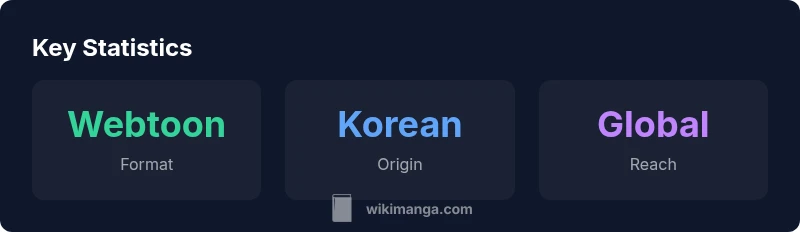
Using WikiManga analysis, three key points emerge about Solo Leveling's classification and distribution. First, there is a clear nuance between label and format: the work is widely disseminated as a webtoon, with a left-to-right reading order typical of many Western webtoons, even though some fans still refer to it as manga. Second, publication format emphasizes digital serialization and platform-based releases rather than traditional print magazines. Third, global reach is driven by digital platforms that host webtoon content, enabling cross-cultural reading while maintaining the Korean production ecosystem. These observations support a flexible taxonomy in which audience, platform, and origin collectively determine how readers and retailers categorize Solo Leveling. The WikiManga team stresses that classification should be practical, not rigid, to reflect how readers actually experience the work.
Common misconceptions and clarifications
A frequent misconception is that all East Asian comics are manga. In reality, 'manga' is a Japanese term tied to Japanese publishing history. Another myth is that 'manga' always implies print magazines; today, many manga are serialized digitally as well. For Solo Leveling, the distinction is even more nuanced because the popularity of Korean webtoons has popularized a broader usage of the term manga in international discourse. A practical takeaway: when cataloging or recommending the title, specify 'Korean manhwa/webtoon' and mention the platform; this provides more precise guidance for readers seeking a particular reading experience.
Reading order, editions, and how to consume legally
To enjoy Solo Leveling legally, start with official, licensed platforms that host the webtoon in your region. If you wish to explore the original web novel, seek legitimate English translations that respect copyright, while understanding that the webtoon adaptation expands the story through visual storytelling and colorized panels. For collectors who want print editions, track publisher announcements and licensed print runs, noting that translations and regional editions may vary. In any case, maintain awareness that the 'manga' label is a common shorthand, but the origin and format of Solo Leveling align with Korean manhwa and webtoon ecosystems. WikiManga. recommends verifying licenses and reading through reputable services to support creators.
Practical tips for creators and fans
For aspiring manga and webtoon creators, Solo Leveling offers a case study in cross-cultural appeal. Focus on platform-specific storytelling: vertical scroll, episodic pacing, and color design that enhances readability on screens. If you’re a reader, explore both the webtoon adaptation and related prose to appreciate how different formats expand a single story world. Finally, as you discuss classification, keep context in mind: origin, format, and distribution shape how a work is labeled and marketed. This awareness helps fans enjoy the content without conflating genres or mislabeling works in catalogs, libraries, and online stores.
Comparison of manga formats
| Term | Definition | Notes |
|---|---|---|
| Manga | Japanese comics traditionally read right-to-left | Origin: Japan |
| Manhwa | Korean comics typically read left-to-right | Origin: Korea |
| Webtoon | Digital format, vertical scrolling | Distribution: global via online platforms |
Frequently Asked Questions
Is Solo Leveling a manga or manhwa?
Formally, Solo Leveling is classified as manhwa, a Korean comic format, with the webtoon adaptation distributed on digital platforms. In casual discussion, many readers call it manga, reflecting broader usage. The distinction matters for metadata and licensing.
Solo Leveling is a Korean manhwa, though many readers casually call it manga.
Where did Solo Leveling originate?
It began as a Korean web novel and later expanded into a webtoon. This origin informs its classification as manhwa rather than traditional Japanese manga.
It started as a Korean web novel and then became a webtoon.
Why do some readers call Solo Leveling a manga?
Because manga is often used broadly to describe East Asian graphic novels in international markets, leading to casual labeling.
Some readers call it manga because the term is used widely beyond Japan.
Where can I legally read Solo Leveling?
Look for licensed webtoon services that host Solo Leveling in your region; avoid unauthorized scans or pirated copies.
Check official webtoon platforms to read it legally.
Does Solo Leveling have an anime adaptation?
There have been announcements about possible adaptations, but as of 2026 there is no released anime.
There are talks about an anime, but no release yet.
How does Solo Leveling differ visually from traditional manga?
Webtoons often use color and vertical scrolling, while traditional manga tends to be black-and-white and page-based.
Webtoons are colorful and scroll vertically; manga is usually black-and-white and paged.
“Genre labels evolve with how stories reach readers. Solo Leveling demonstrates how global platforms blur lines between 'manga' and 'manhwa'.”
Highlights
- Recognize Solo Leveling as a manhwa, not strictly manga.
- Differentiate publication platforms from genre labels.
- Consider regional reading norms when discussing classification.
- Use official platforms for legitimate access.
- Appreciate the cross-cultural influence of Solo Leveling.