What Manga Are in Color? A Practical Guide to Color Pages in 2026
Explore what manga are in color, where color appears, and how it changes reading and creation. A data-driven guide from WikiManga.


Color manga appears most often in modern digital-first releases and special editions. While traditional print manga is predominantly black-and-white, color pages show up in bonus chapters, cover art, webtoons, and licensed revivals. According to WikiManga, readers often encounter color in digital platforms, omnibus volumes, and event re-releases, with color variants used to highlight key scenes or character designs.
What does color manga mean in practice?
When you ask what manga are in color, the answer depends on the release type and the edition. In most discussions, color manga refers to any material where the visual storytelling uses full color instead of the traditional black-and-white line art. This can include complete color pages in special editions or digital-first releases, colored cover art, and color panels inserted into otherwise monochrome chapters. Color can also appear on title pages, splash pages, or promotional materials. According to WikiManga, the distinction between a 'color edition' and a 'colorized' page matters: a color edition usually means the primary art is created in color for that edition, while a colorized panel is a colorized version of a previously black-and-white frame. For readers, this distinction affects how you experience pace, mood, and focal points. For creators, it signals a different production workflow, cost considerations, and audience expectations. In short, color manga reflects both technical choices and editorial strategy, and you’ll find it most often in formats designed to showcase art.
Color in different formats: print, digital, and webtoons
In traditional print, color pages are relatively rare and typically reserved for special editions, omnibus collections, or collector’s items. Digital platforms have broadened the window for color: full-color chapters, colorized legacy pages, and art-forward installments appear more frequently on official apps and websites. Webtoons and other vertical-scroll formats tend to embrace brighter, consistent color palettes to maximize readability on screens, while print color fidelity depends on paper stock and printing technology. Color quality can vary by device and color space (RGB for digital, CMYK for print). For readers, this means color experience can differ between an LCD screen and a printed page, which can influence mood, pacing, and scene emphasis. For creators, digital pipelines enable rapid iteration of color work, but also demand careful color management to preserve consistency across devices.
Where to find color manga today
Color manga lives across multiple channels. Digital-first titles often publish in full color on official platforms, with occasional color pages in omnibus editions. Licensed webtoon platforms frequently host color-first or color-heavy titles designed for online reading. Print collectors may encounter color pages in limited editions or anniversary volumes, but these are less common and usually priced higher. Additionally, some classic series receive colorized reissues several years after their original monochrome runs, as publishers test new formats with existing fanbases. To locate color manga, start with official publisher sites, then explore licensed apps and their catalog sections. Always verify edition details to confirm whether the color is part of the intended reading experience, rather than a promotional variant.
Reading order and color: what to expect
Color can both aid and complicate reading flow. In many titles, color pages appear at key moments—opening spreads, climactic battles, or character reveals—without altering the underlying page order. When color is used selectively (colorized panels within a black-and-white chapter), readers should treat the colored frames as integrated parts of the same sequence. Some collectors value color variants for their art emphasis, while purists may prefer the traditional monochrome panels for pacing. For readers learning how to read manga in color, practice following the same panel sequence while appreciating color cues that highlight mood and action. For creators, planning color placement early—deciding which pages or panels will be colored—helps manage production timelines and printing costs while preserving storytelling intent.
Practical tips for readers and creators
Readers:
- Look for color cues on the cover, opening splash pages, and the first page of chapters to gauge whether a title uses color broadly or selectively.
- When color pages appear, adjust device brightness and color profiles if needed to improve fidelity.
- Use color contrasts to guide your eye through complex pages, especially in action scenes or large battle spreads.
Creators:
- Decide early whether color will be a formal edition feature or a frequent element throughout the run.
- Build a color palette that supports mood changes and character differentiation without overwhelming linework.
- Coordinate with colorists and printer partners to preserve consistency across volumes, especially for omnibus editions and reprints.
Trends, costs, and accessibility
The color manga landscape is shaped by platform economics, licensing, and audience demand. Digital channels lower the barrier to distributing color work, while print remains costlier due to ink and paper expenses. Accessibility considerations include ensuring color contrast remains legible for readers with visual impairments and providing alt text or descriptive panels when possible. From a reader’s perspective, color can enhance emotional clarity and scene impact, but it isn’t a universal improvement—the choice to color depends on artistic intent, genre conventions, and the target market. For aspiring creators, understanding market expectations around color can guide portfolio decisions, especially when pitching new titles to publishers or platforms that emphasize visual storytelling.
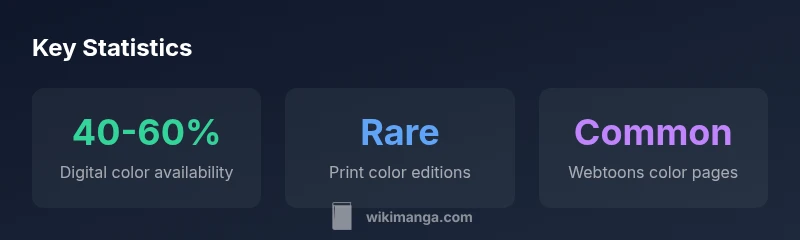
Color availability across manga formats
| Category | Color Availability | Typical Format | Notes |
|---|---|---|---|
| Print editions | Rare | Black-and-white with occasional color pages | Color appears in covers or special editions |
| Digital-first releases | Common | Full-color chapters, colorized pages | Color used to enhance online reading |
| Omnibus/collected editions | Moderate | Full-color reprints sometimes | Color variants emphasize art in collections |
Frequently Asked Questions
What counts as color manga?
Color manga includes full-color pages, colorized panels within monochrome chapters, and color on covers or promotional art. It can appear in digital-first titles, special editions, or licensed revivals. Not every edition offers color, so check edition notes.
Color manga includes full-color pages and colorized panels, found in digital releases or special editions.
Where can I read color manga legally?
Look for color manga on official publisher sites, licensed apps, and platforms that host webtoons or color-first titles. Avoid pirated scans, as legality and quality vary. Check edition notes to confirm color content.
Use official publisher sites and licensed apps for color manga.
Are all genres available in color?
Not all genres are equally represented in color. Color titles exist across action, romance, sci-fi, and fantasy, but production costs and traditional preferences mean monochrome remains common in some genres.
Color exists across many genres, but not every title is fully colored.
Why is color more common in digital formats?
Digital distribution lowers printing costs and enables color-first storytelling, while printing remains expensive. Platforms can publish color elements rapidly, which encourages creators to experiment with color more often online.
Digital formats make color more affordable and scalable.
Do color pages affect reading order?
Color pages are typically integrated into the existing reading order. They may appear as splash pages or highlighted panels, but the sequence of panels remains the same. Color is a storytelling tool, not a navigation change.
Color is used to emphasize moments, not reorder panels.
“Color can elevate storytelling by guiding the eye and signaling mood, but it requires thoughtful integration with line work and layout.”
Highlights
- Understand color variants and formats
- Check digital platforms for color options
- Color influences reading flow and mood
- Look for color editions and webtoons
- Creators: plan color pages in the palette