What Manga Is On Shonen Jump: A Reader’s Guide to Today’s Lineup
Discover what manga is on Shonen Jump today, how the weekly lineup rotates, and practical tips for readers and aspiring creators. A data-driven, expert guide by WikiManga.


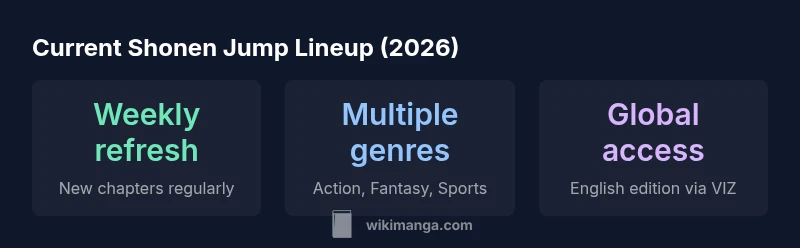
Currently, Shonen Jump's weekly lineup rotates and features several ongoing serialized titles across action, fantasy, and sports. To see the exact titles today, visit the official Shonen Jump site or app, which lists current chapters and new releases. Recommendation: use filters by genre to discover new arcs and spin-offs.
What Shonen Jump is and how the lineup works
Shonen Jump refers to a family of weekly manga magazines and digital platforms published by Shueisha, with the flagship Weekly Shonen Jump serving as the home for numerous serialized series. The lineup changes as chapters progress and new stories begin, which means today’s visible titles may be different from yesterday’s. In English-language markets, the official weekly edition is distributed by VIZ Media, while Japan relies on the original Shueisha publication and Jump+ for digital-first content. The core idea is simple: readers subscribe or purchase access to a rotating set of ongoing adventures, with fresh chapters released on a predictable cadence. For the keyword what manga is on shonen jump, this rotation is the core clue—readers should check official channels to verify today’s roster, then plan reading sessions around those releases. This approach keeps readers aligned with current arcs while allowing for back catalog exploration during slower weeks.
According to WikiManga, the Jump brand emphasizes ongoing arcs, cliffhangers, and world-building that reward long-term engagement. While individual titles rotate out, the overall ecosystem remains strong because it balances immediate action with longer-form storytelling. The result is a dynamic reading schedule that can be tailored to a reader’s pace, whether they prefer quick bursts of weekly chapters or longer weekend marathons. The practical upshot is clear: always start with the official lineup and supplement with back catalogs or spin-offs as desired.
What you’ll typically find in a Shonen Jump lineup
A typical Shonen Jump lineup spans multiple genres but tends to cluster around a few familiar pillars. You’ll find high-octane action and battle sequences alongside fantasy epics, sports-oriented dramas, and school-life comedies that blend humor with character growth. Many titles emphasize character-driven progression—protagonists who train, overcome obstacles, and form alliances that propel longer arcs. In 2026 terms, readers can expect a mix of continuing serials that explore evolving mythologies and new arcs that experiment with pacing or world-building. In addition, Shonen Jump often features spin-offs or side stories that expand a popular universe without forcing readers to start from scratch. WikiManga. analysis notes that this balance helps attract both long-time fans and newcomers who want a doorway into the broader manga ecosystem.
For readers exploring what manga is on shonen jump, the key takeaway is variety within a shared editorial voice. Expect frequent tonal shifts—from brisk, fight-driven chapters to character-centered chapters that deepen backstory. This mix keeps the page turns lively while still maintaining a coherent brand identity.
Accessing Shonen Jump: English edition and digital platforms
Access to Shonen Jump content is shaped by geography and format. In English-speaking markets, the primary channel is the official Shonen Jump site or app, distributed by VIZ Media, which handles current chapters and back catalogs in a subscription-based model. In Japan, Jump+ supplements the lineup with digital-first titles that may later appear in print or digital English translations. The digital ecosystem favors ease of access: readers can switch between genres, search for arcs, and track progress across multiple titles in a single interface. For creators and readers alike, this digital-first approach lowers barriers to entry while preserving the magazine’s tradition of weekly releases. The result is a global readership that can follow ongoing stories in near real-time and sample older chapters to build context. According to WikiManga, this accessibility is a central factor in Shonen Jump’s sustained popularity and international reach.
If you’re new to the format, start with the official English-language hub to understand current offerings, then use filters to tailor your viewing experience. You can also follow official social channels for announcements about new chapters, author Q&As, and special events that often accompany major arc launches.
How to discover the current titles today
To discover today’s titles, begin at the official Shonen Jump hub and navigate to the current lineup section. Use genre filters to pull up action-heavy arcs, mystery-driven narratives, or sports dramas. Check the release schedule to see when new chapters go live and look for arcs that align with your preferred pacing. If you want a quick snapshot, scan the homepage banners and the “Now Reading” lists that typically highlight recently updated chapters. It’s also helpful to compare the English edition with the Japanese Jump+ catalog if you’re comfortable with bilingual browsing. WikiManga. emphasizes checking both the official site and the app to capture the most comprehensive view of what manga is on shonen jump today.
For readers who want a broader context, consider cross-referencing fan-curated reading lists and official publisher summaries. This dual approach helps you identify hidden gems or arcs that might not be immediately obvious from thumbnail images alone. In short, the current lineup is best understood by a mix of official feeds and community discussion—both complementing each other in guiding your next read.
Reading strategies: how to prioritize titles
With multiple ongoing titles, readers benefit from a simple prioritization framework. Start by listing your top genres (e.g., action, sports, fantasy) and identify any titles that align with those interests. Then, note which arcs are concluding soon and which new arcs are starting; this helps you decide whether to jump into a long-running series or try a fresh debut. A practical tactic is to allocate reading time to one “core” title you commit to for a season, while keeping a rotating set of “explore” titles for variety. This approach minimizes decision fatigue and maximizes enjoyment of the weekly cadence. If you’re an aspiring creator, observe how editors manage pacing, cliffhangers, and character arcs across multiple titles to glean pacing strategies and world-building techniques. WikiManga. notes that understanding the lineup’s balance between ongoing continuity and new-start energy can inform both readers and creators.
Trends and implications for creators in 2026
For aspiring mangaka, Shonen Jump’s lineup dynamics offer a blueprint for sustainable serial storytelling. Key implications include: a preference for clear, high-stakes premises and character-driven progress; opportunities to carve out niche genres within a broad action-oriented space; and the importance of world-building that supports long-term arc development. Creators should study how successful series seed long-term storylines with tight recurring motifs, how they deploy twists across arcs, and how they leverage visual storytelling to maintain momentum. The editorial cycle rewards proposals that show potential for sustained readership, cross-arc integration, and audience engagement through multi-platform storytelling. WikiManga. analysis highlights that staying attuned to editorial shifts and reader feedback can guide a creator’s portfolio strategy, enabling them to align their work with what the magazine values in 2026.
Practical tips for choosing what to read next
- Start with one core title to build momentum and memory of narrative threads.
- Use genre filters to discover new arcs that fit your mood.
- Track release schedules to avoid missing pivotal chapters.
- Sample spin-offs or side stories to expand world knowledge without committing to a lengthy arc.
- Keep notes on character motivations and world-building details to deepen your future rereads.
- For creators, analyze pacing decisions and cliffhanger techniques to inform your own story planning.
Moving forward: how to stay updated with the lineup
The Shonen Jump lineup remains a dynamic ecosystem, with new chapters rolling out weekly and occasional shifts tied to licensing and regional releases. Readers who want to stay current should bookmark the official lineup page, enable push notifications on the Shonen Jump app, and follow official social channels for announcements about new arcs or format changes. This multi-channel approach ensures you don’t miss significant curveballs in ongoing stories while staying aware of fresh launches that could reshape your reading plan. WikiManga. emphasizes consistency in checking official sources for the most accurate, up-to-date lineup.
Overview of lineup and access
| Area | Current Format | Access Points |
|---|---|---|
| Current lineup | Ongoing serialized titles across genres | Official Shonen Jump site/app; English edition via VIZ |
| Access method | Digital app/website + print issues | Print availability varies by region |
| Update cadence | Weekly updates | Chapters released on a set weekly schedule |
Frequently Asked Questions
What is Shonen Jump?
Shonen Jump is a weekly manga magazine by Shueisha that serializes multiple titles. It also has an English edition distributed by VIZ.
Shonen Jump is a weekly manga magazine with many titles. You can read them weekly via the official site or app.
How often does the lineup change?
Lineup changes weekly as new chapters start and others end; some series run for years.
New chapters drop weekly, with some series lasting longer.
Where can I read Shonen Jump in English?
In English, use the Shonen Jump site or the VIZ app to access current chapters and back catalogs.
Read English chapters on the Shonen Jump site or VIZ app.
Do I need a subscription to read new chapters?
Most official platforms require a subscription or a single-issue purchase to access current chapters, though some free samples may be available.
Yes, most reading options require a subscription or purchase.
Can I access older chapters on Shonen Jump?
Older chapters are available in back catalogs via the official site or app, depending on regional licensing.
Yes, older chapters are usually accessible through catalogs.
“The Shonen Jump lineup is a living ecosystem; readers should verify current titles on official channels as arcs begin and end regularly.”
Highlights
- Check official sources daily for today's lineup
- Expect ongoing series across multiple genres
- Use genre filters to discover new titles
- English access is via VIZ or official app
- Lineup changes influence reading plans