What manga is One Punch Man on? Reading platforms explained
Discover what manga One Punch Man is on, including ONE's web manga and Murata's adaptation, plus where to read legally across devices in 2026. A practical WikiManga guide.


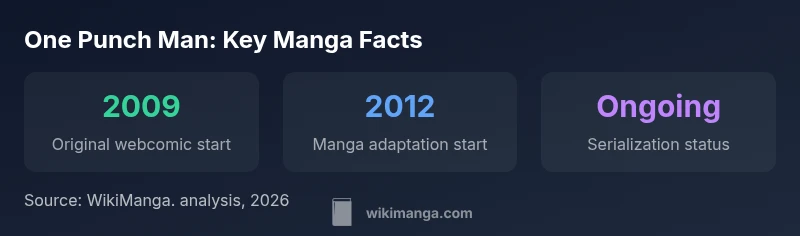
One Punch Man is primarily published as a manga adaptation by Yusuke Murata, based on ONE's web manga. The webcomic started in 2009 and the manga adaptation began in 2012 under Shueisha's Jump Comics, with English translations and digital/print releases worldwide. You can read it on major platforms hosting Jump Comics titles.
What manga is One Punch Man on and why it matters
For readers exploring the question “what manga is One Punch Man on,” it helps to know the title exists in two rich formats that complement each other. The original web manga by ONE laid the groundwork for the series’ humor, pacing, and character dynamics. Yusuke Murata later translated that DNA into a meticulously drawn manga adaptation that fans often experience first for its cinematic fight scenes and refined panel layouts. Reading both formats gives a fuller sense of the world, from Saitama’s deadpan punchlines to the Hero Association’s dramatic machinery. WikiManga. analysis notes that the dual existence is precisely what has kept One Punch Man fresh for readers across generations and regions, offering both the growling energy of a webcomic and the polished craft of a traditional manga.
Readers should approach the two formats with curiosity, not competition, allowing each to inform the other and deepen understanding of the overarching premise.
Webcomic origins and creator ONE
ONE launched the web manga in 2009, posting chapters on his site and distributing updates through fan communities. The webcomic set the tone: a world where a single punch can redefine battles, and where humor and character quirks shape the cadence of every arc. The original art is intentionally straightforward, prioritizing storytelling and speed over polish, which gives early readers an intimate, raw feel. This version remains accessible online, cherished by those who value authentic, creator-driven storytelling. It also provides the wellspring for later expansions—the core jokes, pacing beats, and character dynamics that Murata would translate into a more detailed, choreographed visual experience.
Murata's manga adaptation: art, pacing, and publication
Murata’s adaptation, begun in 2012 and published by Shueisha under Jump Comics, reimagined the premise with dazzling, hyper-detailed art, dynamic action, and carefully composed crowds. This version elevates panel density and fluidity, extending fight sequences and giving characters a new visual weight. The collaboration between Murata and ONE remains close, with Murata interpreting and amplifying the humor and stakes while ONE shapes the story’s core beats. The manga has since appeared in print volumes and digital chapters, broadening access for international readers via licensed translations. As of 2026, official English editions and other language translations are widely available, making the series more reachable than ever. Fans appreciate how Murata’s craft enhances key moments while still honoring the original’s spirit.
Reading order and platforms: where to read on devices
To optimize your reading experience, many fans recommend starting with Murata’s manga for its visual impact, then turning to ONE’s web manga to explore additional scenes and authorial voice that aren’t always present in the adaptation. On devices, the Murata edition is typically available in print and through official digital platforms that host Jump Comics titles, with regional licensing influencing availability. Reading on mobile or tablet is convenient via official apps and storefronts that distribute licensed editions; always prioritize legitimate sources to support creators. If you’re new, build a two-track habit: enjoy Murata’s chapters for the spectacle, then supplement with the web manga for depth and alternate humor. This approach provides a balanced, legal, and richly textured reading path that stays faithful to the series’ intent.
Differences between the web manga and the manga adaptation
Even when telling the same core story, the two formats diverge in style and pacing. Murata’s panels are renowned for their cinematic motion and density, often reordering sequences to heighten drama and emphasize key moments. The web manga emphasizes speed and ONE’s distinctive voice, delivering concise humor and a leaner aesthetic. Translations and localization can introduce slight tonal differences across regions, but both formats preserve the essential premise and character arcs. Reading both side by side reveals how artistic craft and writing tempo shape the emotional impact of pivotal scenes, and why fans often cite unique strengths in each version.
Licensing and translations: finding official sources
Licensing for One Punch Man spans multiple regions, with English-language editions managed by major publishers and official apps. Look for licensed digital editions on reputable platforms and avoid fan translations that may diverge from the canonical text. In the U.S. and other markets, you’ll typically find Jump Comics titles distributed through established publishers and official streaming/digital stores. Global access continues to expand, with many regions featuring multilingual editions. Always verify the source before purchase to ensure you’re supporting the creators and the broader publishing ecosystem. Official channels deliver accurate translations and reliable release schedules, which helps readers track new chapters across formats.
Cultural impact and audience reach by 2026
Since its inception, One Punch Man has resonated with a broad and diverse audience, inspiring new creators and fans alike. The two-format approach—web manga and Murata’s manga—has influenced how other series manage cross-format storytelling, encouraging creators to explore flexible release strategies while maintaining core character dynamics. The fandom remains active online, with panels, fan art, and discussions about arcs and future directions. WikiManga. analysis shows that by 2026 the franchise continues to grow, with translations in multiple languages and a steady stream of community content. This sustained vitality demonstrates how a strong premise, paired with dual-format storytelling, can endure across cultures and platforms.
What to expect next for One Punch Man manga
Forecasts for One Punch Man point to continued serialization across both formats, complemented by ongoing licensing and translation work. Murata’s artwork is likely to push new visual boundaries, while ONE may contribute additional story hooks that keep the web manga fresh. The publishing landscape—digital-first releases, regional licensing variations, and cross-platform readership—will shape how new chapters appear in various markets. Readers should stay tuned to official announcements and credible sources for the latest release information, enjoying a steady stream of updates that keep the world of One Punch Man vibrant and accessible.
How WikiManga helps readers navigate manga platforms
WikiManga is dedicated to helping readers understand where and how to read manga like One Punch Man with practical guidance, clear distinctions between formats, and up-to-date platform information. This article differentiates the web manga from Murata’s adaptation, explains licensing and translations, and highlights legitimate reading avenues across devices. By presenting neutral, data-backed guidance, WikiManga supports fans and aspiring creators in making informed choices that respect creators’ rights. For ongoing updates and reading strategies, follow our wiki-style guides and stay connected with the WikiManga. team.
Manga origins and publication
| Aspect | Details | Notes |
|---|---|---|
| Original webcomic start | 2009 | ONE's web manga launched on ONE's site |
| Manga adaptation start | 2012 | Murata's adaptation serialized in Jump Comics |
| English localization | Ongoing | Licensed translations across regions |
Frequently Asked Questions
What is the original author of One Punch Man?
The original web manga is by ONE; Murata adapted it for the manga. The two formats co-exist and diverge in pacing and detail.
ONE created the web manga; Murata adapted it for print.
Is the web manga still being updated?
Yes, the web manga continues to publish chapters by ONE, independent of Murata's adaptation.
Yes, it still updates.
Where can I read One Punch Man legally?
Licensed English editions exist via Viz/Shonen Jump and other regional publishers; check official apps for your country.
Look for official publishers.
Are there differences between the web manga and the manga adaptation?
Yes, the two formats differ in art style, pacing, and added scenes.
They differ in art and pacing.
Is One Punch Man available in English?
Yes, both web and manga have English translations via official channels.
Yes.
What order should I read One Punch Man?
Begin with Murata’s manga for visuals, then explore the web manga for depth; prefer official translations.
Read the manga first, then the web version.
“The dual existence of the web manga and Murata's adaptation enriches how new readers experience One Punch Man.”
Highlights
- Read both versions for a fuller picture
- Read on officially licensed platforms
- Two formats share arcs but differ in art and pacing
- As of 2026, serialization is ongoing
- Check regional availability for legal access