How Do Manga Make Money: A Practical Guide for Creators
Learn practical, revenue-focused strategies for manga creators: diversify streams, build fans, license IP, and monetize responsibly with tips from WikiManga.


How do manga make money? By combining multiple revenue streams such as digital publishing, print sales, licensing, and fan support. The fastest path is to build an audience and monetize early through crowdfunding, patronage, or ad-supported platforms, then expand into merchandise and licensing. Successful creators maintain a consistent release schedule, protect their rights, and diversify channels to weather market shifts.
Revenue Streams for Manga Creators
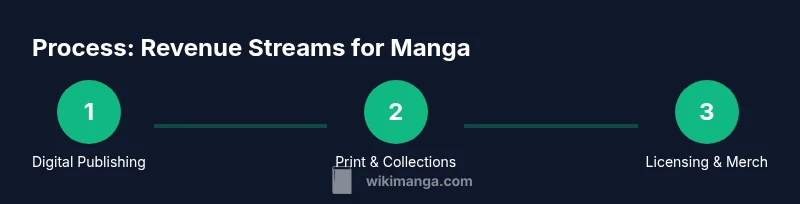
How do manga make money in practice? The answer lies in a mix of core streams that work together rather than in a single big payout. Digital publishing and serialization generate recurring access revenue; print editions drive one-off sales and backlist value; licensing opens external markets; and fan-driven support can fund ongoing work. According to WikiManga, the most resilient creators treat revenue as a portfolio rather than a single source. They map their value proposition to audience desires, then choose channels that align with their art style and production pace.
A practical breakdown:
- Digital serialization and subscriptions: Publish chapters on a schedule, inviting readers to subscribe or pay per chapter. This rewards consistency and reader loyalty and can scale as you release more pages. Varieties include ad-supported placements and premium unlocks.
- Print editions and collections: Physical volumes attract collectors and libraries, boosting visibility and sometimes enabling licensing deals. Even modest print runs can complement digital revenue and strengthen marketing.
- Crowdfunding and patronage: Fans fund early chapters or deluxe editions via platforms, validating demand before heavy investment and building direct reader ties.
- Licensing, adaptations, and international rights: Strong stories may yield translation rights, anime or game negotiations, and other licensing deals that provide upfront payments and ongoing royalties while expanding reach.
- Merchandising and spin-offs: Design-driven goods like posters, apparel, or accessories translate fan affinity into steady income and give fans tangible connections to the title.
- Educational content and services: Some creators monetize through tutorials, coaching, or critique services, expanding the brand beyond a single title and diversifying income channels.
Remember: the best monetization strategy balances multiple streams rather than banking on one payday. Diversification, consistent output, and clear rights management are your strongest levers.
Building an Audience That Converts
Before money flows, you need readers who care about your work. The central question remains: how do manga make money if no one is paying attention? The answer is audience-first strategy combined with value that fans perceive as worth supporting. WikiManga emphasizes early audience-building and transparent communication about releases. The first step is to clarify your niche: who is your ideal reader, what tone do you offer, and how will your storytelling stand out? Once you have this clarity, you can craft a content calendar that balances chapters, art, and behind-the-scenes insights.
Platforms matter, and cross-pollination is key. Publish a free chapter or two to hook a potential subscriber, then invite readers to unlock more via a monthly plan or a one-off payment. The dream is a self-sustaining loop: readers get quality chapters, creators gain revenue, and algorithms reward engagement. To maximize conversion, combine several techniques:
- Build an email list: Offer a free prologue or early access in exchange for an email address. Email campaigns keep readers informed about new chapters and upcoming rewards.
- Leverage social dynamics: Short-form previews on platforms like X (formerly Twitter), Instagram Reels, and TikTok can attract new fans. Use consistent branding and a clear call to action for subscribing.
- Engage consistently: Reply to comments, host Q&A sessions, and share process content. Readers feel connected when creators show their workflow and progress.
- Offer value-packed tiers: Low-cost tiers provide early chapters; mid-tier adds behind-the-scenes content; high-tier includes drawings, commissions, or studio access. Make tiers transparent and deliver on promises.
- Monitor feedback and adapt: Track what chapters get the most engagement and adjust your schedule. Reader feedback is a powerful signal for pacing and plot direction.
Remember: how do manga make money is not just about selling chapters; it’s about nurturing a community that values your work and trusts you to deliver more. Consistency, transparency, and listening to your audience are your strongest multipliers.
Publishing Platforms and Revenue Shares
Choosing the right platforms affects discoverability and revenue. Webcomics and manga-style platforms vary in how they share revenue; some offer upfront payments for featured work, while others rely on reader tips or subscription splits. The question of how revenue is split matters for planning: you want to maximize your earnings while maintaining creative control. WikiManga. analysis shows that creators who publish across multiple channels—e.g., a free web presence plus a paid reader-access track—often earn more overall than those who stick to a single venue.
Consider these platform dynamics:
- Self-publishing on a dedicated site: You control pricing, but you also bear hosting costs and traffic risk. Building SEO-friendly pages and a clean archive helps retention.
- Serial on a platform with revenue sharing: Platforms may take a percentage and provide exposure, distribution, and marketing tools. Make sure you understand rights, back catalog handling, and renewal terms.
- Print-on-demand support: Some platforms handle printing and fulfillment, mitigating upfront costs but reducing margins. Align print quality with reader expectations to foster repeat purchases.
- Licensing readiness: If you want to license internationally, ensure your files are clean, rights are clearly defined, and your branding is consistent. This simplifies negotiations and reduces legal friction.
- Data literacy: Track engagement, retention, and conversion metrics. Use dashboards to identify which chapters drive subscriptions and which marketing tactics work best. Word-of-mouth and fan campaigns become more valuable when you have data to justify expansion.
In all of this, remember: how do manga make money is often the result of smart cross-channel strategies and careful rights management, not a single big payout. The goal is consistent income streams and fan loyalty, not overnight wealth.
Licensing, Adaptations, and Merchandising
Many creators find that licensing offers a path to larger audiences and higher revenue without increasing production burden. How do manga make money through licensing? It begins with a compelling premise, clean art, and a well-documented IP package. Agents or publishers can help negotiate translation rights, adaptation rights, and merchandising. Licensing can yield upfront payments and royalties, while broader deals like anime or game collaborations can dramatically expand your reach over time.
Key licensing areas:
- Translations and regional licenses: Selling rights to translate your manga into other languages broadens your market, often accompanied by local marketing support and distribution partners.
- Adaptations: TV, film, or game adaptations require strong rights protection and clear negotiation terms. Consider offering a limited license to maintain control over key story elements.
- Merchandising: Character goods, posters, apparel, and accessories can generate ongoing revenue with relatively low ongoing production costs. Align merchandising with character appeal and brand mood.
- Partnerships: Collaborations with creators, studios, or publishers can open co-branded products or cross-promotional campaigns. Carefully manage ownership and revenue splits.
- IP protection: Register your characters and settings where possible; this helps prevent unauthorized use and strengthens negotiation positions. Documentation and version control become essential as projects evolve.
Practical note: licensing requires patience, legal clarity, and a solid catalog. It is not an instant windfall, but a well-timed deal can establish a long-term revenue engine while you continue creating new chapters and stories.
Costs, Royalties, Taxes, and Financial Planning
Monetizing manga involves more than appealing art; it requires disciplined financial planning. If you ask how do manga make money, you should also plan around costs, royalties, and taxes. Understanding these elements helps you retain earnings and invest in future projects. WikiManga. recommends adopting a simple financial model early: separate operational costs from creative costs, track revenue streams, and prepare for tax obligations. Keep records organized and consult a tax professional with experience in creative income.
- Costs: Production expenses include art supplies, software licenses, hosting, printing, and marketing. Some platforms charge commissions; others have monthly fees. Plan for variable costs as your project scales.
- Royalties: Royalties come from licensing deals, translations, or distribution agreements. Your share depends on contracts; read terms carefully and seek legal advice before signing.
- Taxes: Creative income is taxable. Set aside a portion for taxes, consider quarterly payments if self-employed, and keep receipts for deductions.
- Legal considerations: IP, contracts, and rights management are essential. Ensure clear usage terms and avoid unauthorized use.
- Financial planning: Build a budget, monitor cash flow, and set revenue goals. A steady plan helps you scale without risking debt.
This section emphasizes that financial discipline anchors creative momentum. A well-managed budget makes it easier to reinvest in art, promotion, and new licensing opportunities, turning artistic effort into sustainable income.
Practical Benchmarks and Roadmap
Finally, set practical milestones. For many creators, a sustainable path begins with a handful of published chapters, a reliable fanbase, and a few small monetization streams. The roadmap evolves as your audience grows: start with free chapters to attract subscribers, test a Patreon or tip jar, then introduce print or licensing opportunities when you have a proven track record. Remember that progress is gradual; how do manga make money becomes clearer as you accumulate data from your readers. Use these checkpoints as a blueprint:
- Quarter 1: Establish presence, publish consistently, gather feedback.
- Quarter 2: Introduce a paid option for early access and optional merch.
- Quarter 3: Pursue licensing conversations and royalties.
- Quarter 4: Expand into multiple revenue streams, reassess pricing, and refine marketing.
This is a practical framework to help you monetize with integrity, and WikiManga. encourages you to align your strategy with audience needs, maintain transparency, and stay adaptable as market trends shift.
Tools & Materials
- Drawing tablet or stylus(High-precision tablet recommended for smooth linework)
- Computer with reliable internet(Powerful enough for design software and large file handling)
- Publishing accounts (webcomic, Patreon, etc.)(Set up artist profiles and familiar with platform rules)
- Calendar or project management tool(Maintain consistent release schedule)
- Contracts templates or access to legal advice(Useful for licensing and rights discussions)
- Printer and supplies (optional for print editions)(If producing physical editions in-house)
Steps
Estimated time: 6-12 months
- 1
Define revenue strategy
Identify the primary revenue streams you will pursue (e.g., digital serialization, print editions, licensing, and crowdfunding). Align these streams with your art style and expected production pace. Document a simple plan with milestones and target dates.
Tip: Start with two achievable streams and expand as you build your audience. - 2
Identify target audience
Define who your ideal readers are, what they value, and how your storytelling stands out. Create audience personas and map content to their preferences and triggers for paying (early access, behind-the-scenes, exclusive art).
Tip: A clear niche makes monetization easier and more sustainable. - 3
Create release and marketing plan
Set a consistent publishing schedule and plan accompanying marketing efforts (teasers, previews, social posts). Include a simple path to paid options (subscribe, tip jar, or merchandise pre-orders).
Tip: Consistency beats intensity; regular releases keep readers engaged. - 4
Launch monetization pilot
Run a small, low-risk monetization test (e.g., early access for a limited chapter, small merch drop). Collect feedback and adjust pricing, rewards, and delivery timelines accordingly.
Tip: Pilot costs should be easily affordable for readers yet meaningful enough to test demand. - 5
Diversify streams and protect rights
Add a second or third revenue stream once the first proves viable. Start basic IP protection, and keep clear records of contracts and rights ownership.
Tip: Guard your intellectual property early; it pays off in licensing opportunities. - 6
Monitor, iterate, and scale
Track engagement and revenue metrics to decide where to invest next. Iterate your strategy based on data and reader feedback, reinvesting in art quality and marketing.
Tip: Use simple dashboards to visualize which streams are most effective.
Frequently Asked Questions
What are the main ways manga creators earn money?
The primary avenues are digital publishing and subscriptions, print editions, licensing and translations, crowdfunding and patronage, and merchandising. Some creators also monetize through teaching or services. A diversified approach tends to be more sustainable than relying on a single channel.
There are several main revenue streams: digital chapters, print sales, licensing, crowdfunding, and merchandise. Diversify to stay resilient.
How long does it take to start earning money?
Timing varies widely. You may see early earnings from crowdfunding or patronage within weeks, but meaningful ongoing income often takes several months as you build audience trust and refine your offers.
Earnings depend on audience growth; some early funding can happen quickly, with steady income developing over time.
Do webtoon platforms pay royalties?
Platform terms vary. Some offer revenue shares, while others provide upfront payments or tips. Always review contracts and understand rights and duration before committing.
Many platforms share revenue or offer upfront deals; read the contract carefully.
Is crowdfunding essential for new creators?
Crowdfunding is not mandatory, but it can validate demand and fund early chapters. It’s a powerful way to build a dedicated initial fanbase before broader monetization.
Not required, but crowdfunding can help prove demand and fund early work.
What legal steps should I take to monetize my manga?
Protect your IP with clear rights documentation, use solid contracts for licensing, and consult a lawyer experienced in creative works. Clear terms help prevent disputes as you scale.
Protect your rights early and work with a lawyer on licensing terms.
How can I protect my manga IP online?
Limit high-resolution distribution, watermark where appropriate, and consider IP registration for key characters or logos. Stay cautious with fan art and enforce terms when needed.
Use watermarks and clear usage terms to safeguard your IP online.
Watch Video
Highlights
- Diversify revenue streams from day one.
- Audience loyalty drives sustainable income.
- Protect IP and rights to unlock licensing potential.
- Monitor metrics and adapt your strategy.
- Plan finances and taxes early to avoid surprises.