How Much Does a Manga Artist Make in a Month? A Practical Guide
Discover realistic monthly earnings for manga artists, including page rates, royalties, commissions, and how to stabilize income across serialization, crowdfunding, and licensing opportunities.


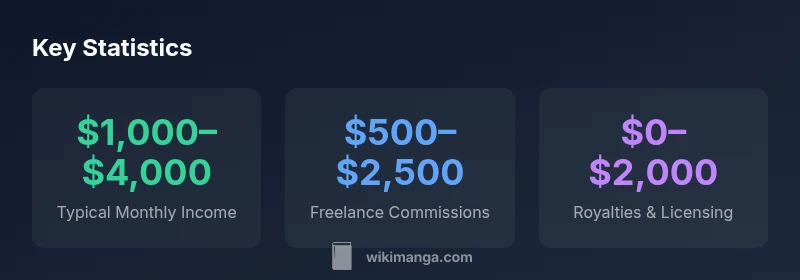
The typical monthly earnings for a manga artist vary widely, often ranging from roughly a few hundred dollars for hobbyists to several thousand dollars for professionals with serialized work, commissions, and crowdfunding. Key drivers include page rate, royalties, licensing, and the volume of work secured each month. Seasonality and platform differences also shape monthly income.
How earnings break down for manga artists
The question how much does a manga artist make in a month is best answered by looking at revenue streams. For many creators, income comes from a mix of serialized pages, freelance commissions, and royalties. Serialized work on a publisher's schedule can yield a reliable monthly base if you are under contract or working on a long-running series. Page rates for serialized chapters can vary by market, experience, and the visibility of the work. In many regions, page rates are negotiated per page or per panel, and most successful artists negotiate bonuses for milestone chapters or special editions. Commissions from fans, publishers, or indie clients add another layer of monthly earnings and often help fill gaps when serialized work is on hiatus. Crowdfunding platforms and direct sales of art can supplement income but require community-building and marketing effort. Finally, licensing deals—from character designs to derivative merchandise—can provide passive revenue but typically require longer lead times and different contractual structures. In short, the monthly earnings depend on how effectively you combine these streams, your reputation, and your ability to land consistent work.
The income spectrum: entry-level to established professionals
Entry-level manga artists frequently juggle multiple gigs to reach a monthly income that covers basic expenses. At this stage, monthly earnings might cluster toward the lower end of the ranges, with more focus on skill-building, portfolio development, and client relationships. As artists gain serialized work, a following, and credibility, their monthly earnings can rise. Mid-career artists often balance several streams: ongoing serialization, a set of freelance commissions, and occasional licensing or crowdfunding. Seasonality plays a role as new volumes release and demand shifts. For many, the path to higher monthly income includes taking on more pages per month, negotiating higher page rates, and broadening revenue streams beyond traditional publishing. It’s also common to see earnings stabilize around a core minimum—often a function of steady contracts—while bonus income fluctuates with project wins and fan support. This spectrum makes it clear that there isn’t a single "typical" monthly figure; instead, there is a band that expands as skill, negotiation ability, and networks grow.
Revenue streams beyond page work
Beyond the core task of drawing pages, manga artists can monetize in several complementary ways. Crowdfunding platforms allow fans to support creators directly—think Patreon-style memberships for monthly pledges, tiered rewards, and early access to sketches. Freelance commissions, including character design, inking, and cover art, can provide predictable monthly cash flow if you secure recurring clients. Royalties and licensing depend on sales of published volumes, digital editions, or character licenses; these streams can be irregular but meaningful when volumes perform well. Merchandise, print-on-demand art books, and digital downloads are increasingly popular ways to diversify income. Finally, teaching or workshops—either online or in-person—offer another channel to monetize expertise. The key is to build a balanced portfolio of activities that align with your artistic strengths and time availability.
Regional differences and market access
Where you live and who you work with heavily influences monthly earnings. Japan and North American markets have established publishing ecosystems with different payment structures from emerging markets where manga and webtoons are increasingly popular. Language and localization also affect revenue—translated editions widen audience but may require staff or partnerships, reducing net income if not managed carefully. The cost of living, studio space, software, and services varies by region, influencing how much income is necessary to maintain a comfortable lifestyle. Artists who operate as freelancers across borders can sometimes maximize revenue by aligning with editors or clients in high-demand regions, but this often comes with longer lead times and more complex contracts. Overall, regional differences matter; the same level of talent can yield different monthly incomes depending on the ecosystem you navigate.
How to estimate your monthly earnings: a practical approach
To estimate monthly income, start with your realistic workload: how many pages can you complete in a month without sacrificing quality? Multiply pages by your agreed rate for serialized work, then add expected income from freelance commissions, royalties, and crowdfunding. Create a simple monthly forecast that includes best-case, typical, and conservative scenarios. Track actual earnings weekly to identify which streams are most reliable and where you need to adjust. If royalties are part of your model, forecast them using sales data from recent volumes and consider licensing deals as optional revenue rather than guaranteed income. Finally, build a buffer for taxes, software subscriptions, and potential downtime. A disciplined forecasting habit helps you predict months with higher activity and plan accordingly.
Strategies to stabilize monthly income over time
Stability comes from diversification and proactive management. Maintain a diverse mix of serialized projects, freelance work, and fan-supported programs to reduce risk when one stream slows. Negotiate fair base rates early on and document contracts clearly, including milestones and royalties. Invest in your skills—not just artistic technique, but narrative pacing, thumbnailing, and character design—so you can land better-paying projects. Build a loyal fan base by sharing process videos, previews, and behind-the-scenes content. Finally, set financial goals and review them quarterly. With a clear plan and consistent effort, you’ll move toward a more predictable monthly income, even as market conditions shift.
Estimated monthly income ranges by main revenue stream
| Income Source | Typical Range per Month | Notes |
|---|---|---|
| Serialized pages (contract) | $1,000–$3,500 | Depends on publisher, cadence, and visibility |
| Freelance commissions | $500–$2,500 | Project complexity and deadlines influence pay |
| Royalties/licensing | $0–$2,000 | High variance; tied to sales/licensing deals |
| Crowdfunding/digital sales | $100–$800 | Patreon, digital art, and merchandise support |
Frequently Asked Questions
What would be a realistic monthly target for a starting manga artist?
For beginners, a practical target might be around $500–$1,500 per month as they build serialization and client base. Income then expands as skills, reputation, and networks grow.
As a beginner, set a modest monthly target and grow your portfolio to attract more work.
Does royalties count as monthly income?
Royalties can add irregular monthly income, but they’re often variable. Track long-term sales and licensing performance to understand their contribution.
Royalties come in waves; monitor sales data over time.
How do platforms affect earnings?
Platform choice affects exposure and rates; serialized work with publishers may pay differently than freelance platforms. Diversify across channels to balance risk and potential.
Where you publish changes your earning potential; diversify.
Is it possible to earn more than $4,000 a month as a manga artist?
Yes, through multiple high-demand streams: serialization, licensing, and heavy freelance workload. It’s not typical for everyone, but attainable with a strong mix of income sources.
It’s possible, especially if you combine several high-demand revenue streams.
What expenses should I plan for?
Budget for software, hardware, health insurance, taxes, and studio costs. Build a reserve for slow months and unexpected costs.
Don’t forget software, hardware, and taxes in your plan.
How long does it take to stabilize income?
Income stabilization often takes 1–3 years, depending on portfolio growth, audience reach, and contract opportunities. Consistency matters more than speed.
Stability usually builds over years, not weeks.
“Income for manga artists isn’t fixed; success depends on strategy, audience, and the ability to diversify revenue streams.”
Highlights
- Diversify income streams to stabilize monthly earnings
- Negotiate clear contracts with defined milestones
- Track earnings monthly to identify reliable streams
- Factor in platform differences and regional markets
- Build skills that broaden revenue opportunities