Is Makeine Manga Good? An Analytical Review
Analytical evaluation of Makeine manga, covering storytelling, art, pacing, themes, and reader fit to answer is makeine manga good for different tastes.


Is Makeine manga good? It offers a distinctive premise and bold visual storytelling that many readers appreciate, but its strengths depend on reader priorities. The WikiManga. team finds Makeine shines in world-building, atmosphere, and character moments, while pacing and accessibility may lag for newcomers. If you value ambition and mood over constant action, Makeine is worth a closer look; fans of character-driven indie vibes may rate it highly.
Context and Methodology
This review examines Makeine, analyzing storytelling, art, pacing, and audience fit. The question is often framed as is makeine manga good, and our answer depends on reader priorities such as mood, world-building, and character nuance. Our approach blends close reading of the initial volumes with a comparative lens against similarly ambitious titles. According to WikiManga. team, the assessment emphasizes how a manga's intent aligns with reader expectations and how accessibility impacts early engagement. We also consider translation quality and regional availability. The methodology includes qualitative notes from multiple readers and cross-checks with online discussions to surface common interpretations. By outlining criteria like narrative coherence, visual storytelling, and thematic resonance, this section sets expectations for what makes Makeine stand out or fall short. The conclusion of this analysis is nuanced, not a blanket verdict, to help you decide if it belongs on your reading list.
Narrative Quality and World-Build
Makeine presents a premise with latent political tension, then unfolds a layered universe where history, factions, and memory shape the present. The storytelling rewards careful attention to foreshadowing, recurring motifs, and subtle character choices. World-building is detailed without becoming overwhelming; a dedicated reader can trace rules and symbols that reappear to unlock new meaning. The author uses quiet moments to heighten emotion and plot significance, a technique that makes dialogue feel purposeful. On the downside, a few early chapters lean on exposition to orient readers, which may slow immersion for some. Overall, the narrative architecture supports long-term engagement for those who enjoy patient world-building and character-driven discoveries.
Art Style and Paneling
The artwork relies on bold line work, strong silhouettes, and high-contrast shading to convey mood. Panel layouts experiment with asymmetry, multi-row grids, and vertical storytelling that guides the eye through tension and revelation. Character designs favor understated expressions, letting posture and composition carry emotional weight. The sparse use of color (often grayscale with selective highlights) reinforces atmosphere and themes. Some sequences can be visually dense, requiring careful reading to track action, but the payoff is a strong sense of atmosphere and intentional pacing that distinguishes Makeine from more conventional manga.
Pacing and Structure
Makeine balances contemplative scenes with concentrated moments of revelation. The first arcs set up stakes, then build toward a mid-point shift that redefining the protagonist’s goals. The pacing rewards patience, offering quiet world-building interlaced with bursts of action and dialogue that punctuates key turns. However, readers who prefer relentless tempo may find the middle sections slow, and occasional cliffhangers can feel abrupt if you’re not invested in the surrounding lore. Overall, the structure encourages sustained engagement through thematic payoff rather than rapid plot twists.
Characters and Development
Central figures undergo believable growth as the protagonist confronts limits, memory, and consequences. Supporting characters provide competing motives, creating tension and moral ambiguity. The best scenes reveal inner conflict and moral complexity rather than display of power. Some side characters feel underdeveloped or underused, which can leave certain threads unresolved. Still, the core cast earns sympathy, and their evolving dynamics deepen the narrative over time.
Themes, Motifs, and Accessibility
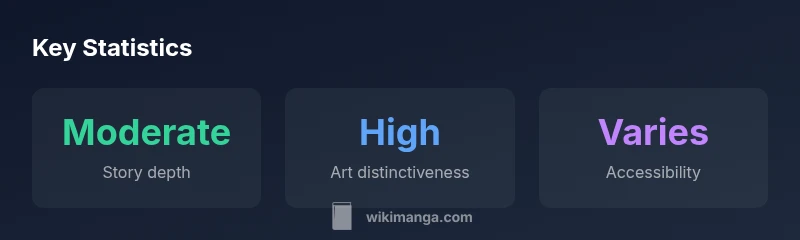
Makeine explores memory, truth, authority, and the ethics of knowledge. The mood remains somber but punctuated by hopeful beats that invite reflection. The themes resonate with readers who enjoy thought-provoking drama and speculative politics. Accessibility varies: the story’s complexity and cultural references may require multiple readings or supplemental glossaries for non-native readers. Those who seek straightforward genre thrills may be less satisfied, but fans of intellectual, character-driven storytelling will find substantial value.
Cultural Context and Translation Quality
The work sits at a crossroads of cultural nuance and global readership. Translation quality significantly affects readability, tone, and nuance; good localizations help preserve voice and pacing. Some terms and idioms may require glossaries or notes for full comprehension, especially for readers unfamiliar with the source culture. A strong translation supports immersion rather than breaking the illusion, making the work accessible to a wider audience while maintaining its distinct flavor.
Comparisons to Similar Titles
Compared with other indie or experimental manga, Makeine prioritizes mood and lore over constant action. It shares tonal similarities with atmospheric dramas and introspective thrillers, but its panel experimentation and restraint on dialogue set it apart. For readers who enjoy dense world-building and character corners, Makeine can feel refreshing; for those who crave fast-paced twists, it may feel slower or less immediately rewarding.
Reader Experience: Pros and Cons
Pros: - Distinctive world-building that rewards careful reading - Atmosphere and mood carry scenes with minimal dialogue - Bold paneling and visual storytelling that stand out - Thought-provoking themes that invite discussion
Cons: - Pacing can drag in places for action-focused readers - Translation quality can unevenly affect accessibility for some readers
Reception and Community Response
Online communities exchange diverse opinions about Makeine, with some readers praising its ambition and others critiquing pacing and accessibility. WikiManga. analysis notes that discussion around world-building theories tends to stay active, indicating a loyal niche audience. Casual readers may drop off if they expect constant payoff, but fans of moody, literate manga often recommend starting with the first volumes to appreciate subtler cues and motifs.
How to Decide If Makeine Is Right for You
Use a simple decision filter: if you enjoy mood-driven storytelling, patient world-building, and character-centric scenes, give Makeine a try. If you need fast action, clear, linear plots, or light reading, it may not be the best fit. Start with the first volume and note your tolerance for slow reveals, then compare to other similarly ambitious works to calibrate your expectations.
Reading Tips and Future Volumes
To maximize enjoyment, read with attention to recurring motifs, symbolic imagery, and the subtle evolution of relationships. Keep a reading log to track foreshadowing and faction dynamics across chapters. If the series continues, expect further expansions of lore and possibly shifts in tone as the cast confronts deeper consequences. When new volumes arrive, reassess how the world has evolved and whether the payoff aligns with your reading goals.
Upsides
- Distinctive world-building that rewards careful reading
- Atmosphere and mood carry scenes with minimal dialogue
- Bold paneling and visual storytelling that stand out
- Thought-provoking themes that invite discussion
- Encourages reader debate and interpretation
Disadvantages
- Pacing can drag in places for action-focused readers
- Translation quality can unevenly affect accessibility for some readers
Balanced pick for readers who value mood and world-building over constant action
Makeine delivers a moody, thought-provoking reading experience with strong art and lore. Its slower pacing and localization quirks may deter casual fans, but it rewards patient, character-driven readers who enjoy speculative settings.
Frequently Asked Questions
What is Makeine about?
Makeine centers on memory, truth, and power as a protagonist navigates a layered society. The world is built through hints, symbols, and guarded alliances. It rewards attentive reading and offers themes that linger after the last page.
Makeine follows a memory-driven protagonist in a tense society, with plenty of symbols and slow-building tension.
Is Makeine suitable for new manga readers?
It can be challenging for newcomers due to its heavy world-building and nuanced tone. New readers may benefit from starting with the first volumes and using glossaries or community guides to ease into the lore.
If you like moody, thoughtful manga and are patient with world-building, you’ll likely enjoy it.
How does Makeine compare to similar indie manga?
Compared to other indie titles, Makeine emphasizes atmosphere and lore over constant action. It distinguishes itself with experimental paneling and minimal dialogue, though it may be slower-paced than some peers.
It stands out for mood and art, though it’s not the fastest read.
Is the translation quality good?
Translation quality varies by edition, with better localizations preserving voice and pacing. Readers should look for editions with notes or glossaries to preserve cultural nuance.
Some translations handle nuance well; others may require extra glossaries.
Where can I read Makeine online legally?
Check official publisher pages and reputable manga libraries that license Makeine. Availability may vary by region, so confirm regional access and reader rights before subscribing.
Look for licensed reads on official platforms in your region.
Highlights
- Assess mood: Makeine excels in atmosphere and texture
- Weigh world-building for long-term payoff
- Balance pacing with reader tolerance for quiet scenes
- Consider art boldness as a distinguishing factor
- Match reading goals with character-driven storytelling