Where to Read Manga in English: Platforms, Tips, and Legal Considerations
Discover official, legal places to read manga in English, with platform comparisons, reading on multiple devices, ethical considerations, and practical tips for manga enthusiasts and creators.


If you want to read manga in English, use official platforms that license English translations: Crunchyroll Manga, Viz, Manga Plus by Shueisha, Comixology, and Kindle. These services offer licensed English releases, simulpubs, and back catalogs accessible across devices. Always choose official sources to support creators and ensure quality translations.
Why English-Manga Availability Has Grown
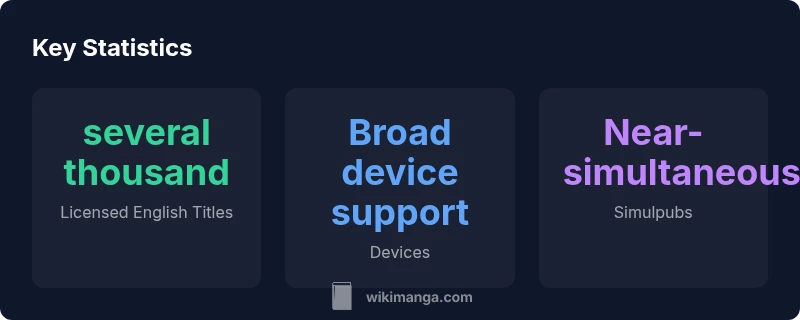
According to WikiManga. analysis, access to manga in English has expanded dramatically over the past few years. This growth is driven by stronger licensing deals, a push toward official translations, and a global audience hungry for timely releases. Readers now expect legitimate English options across devices, with simulpubs delivering near real-time translations of popular series. The shift benefits creators by improving revenue streams and encouraging new fans to explore longer-running sagas. For readers, the result is a broader catalog, better translation quality, and fewer barriers to discovering titles outside the traditional canon. As a result, where to read manga in English is no longer limited to a single platform, but rather a carefully curated ecosystem of official channels.
Official Platforms for English Manga
Official platforms provide reliable, licensed translations and consistent quality. Here is a practical map of where to read manga in English today:
- Crunchyroll Manga: A long-standing gateway for many readers, offering licensed English translations of multiple series, with ongoing simulpubs in some cases and a substantial back catalog. The platform emphasizes accessibility across devices and a user-friendly reading experience.
- Viz Media: A cornerstone of English-language manga publishing, with a rich catalog of simulpubs and finished series. Viz tends to feature a broad mix of popular titles and evergreen classics, often with print tie-ins and expanded creator notes.
- Manga Plus by Shueisha: A global service that emphasizes free access to a wide range of titles and near-simultaneous translations. It’s designed for readers who want quick access without expensive subscriptions, though some titles may require sign-in for full features.
- Comixology: A large digital library that includes many licensed manga titles. It supports various devices through a cloud-based library, often with bundles and promotions that help readers explore new series without committing to a full subscription.
- Kindle & Apple Books: These stores offer official manga releases for purchase or download, integrating with popular ecosystems and allowing offline reading. They are particularly convenient for readers who already manage e-books in these apps and want to keep all content in one place.
Across these platforms, the availability of titles can vary by region, and new licenses appear regularly. Always verify that a title is officially licensed in your country before reading.
How to Evaluate an English-Manga Platform
Choosing where to read manga in English should hinge on practical criteria beyond mere catalog size. First, confirm licensing and translation quality by checking translator credits, edition notes, and whether the platform provides author or studio notes. Second, assess the simulpub cadence: some titles publish new chapters the same week they appear in Japan, while others release on a slower schedule. Third, consider cost structures: many platforms offer free access to select titles, trials, or tiered subscriptions, so you can tailor your reading plan to your budget. Fourth, review the interface and reading modes: panel-by-panel rendering, night mode, adjustable text size, and offline reading improve long sessions. Finally, ensure cross-device compatibility and robust search features, so you can pick up where you left off on desktop, tablet, or smartphone.
Reading Across Devices and Formats
Modern reading ecosystems prioritize a seamless experience across devices. If you start on a desktop browser, you should be able to switch to a tablet or phone without losing your place. Official apps typically support offline reading, bookmarks, and personalized libraries, which is essential for long-form series. Cross-platform syncing means you can begin a chapter on a train and finish it on a couch at home. When evaluating devices, consider where you read most: on a commute, in bed, or at work. Some readers prefer one platform for a clean, distraction-free interface; others value a broad catalog that’s searchable by author, series, or genre. From a creator’s perspective, accessibility across devices means more potential readers and better fan engagement.
Reading Experience on Public and Private Libraries
Many public libraries offer access to digital manga through licensed services or partner apps. This is a reliable, low-cost way to sample titles before committing to a paid subscription. If your library doesn’t host a large catalog, you can still benefit from borrowing physical volumes, which often include QR codes linking to official digital editions. For aspiring creators, libraries can be a research resource for pacing, panel layouts, and narrative structure. Always check your local library’s digital offerings and any interlibrary loan options for manga-related titles. This approach aligns well with ethical reading practices and supports the broader manga ecosystem.
Legal and Ethical Considerations
Reading manga in English should align with copyright law and the rights of creators. Official translations preserve credit to translators and editors, fund new projects, and ensure accurate representations of culturally specific terms. Fan translations or unauthorized downloads may undermine revenue streams and affect future releases. If you encounter a title that isn’t officially licensed in your region, seek alternatives from licensed platforms or consider waiting for a local license. Supporting licensed translations grows the pool of titles available in English and helps the industry sustain a diverse range of voices and styles.
Getting Started: A Practical Reading Plan
To begin your English-manga journey, choose one or two official platforms that best fit your reading habits. Start with a free trial or a small library of titles you already know you want to read. Create a simple weekly plan: allocate a certain amount of time for new chapters and a separate slot for revisiting favorites. Use the search and recommendation features to discover related series, and set a goal to finish at least one volume per month. Track your progress with your platform’s reading list, and supplement with official translations and notes when exploring new authors. This approach keeps your plan realistic and enjoyable while respecting creators’ rights.
Common Pitfalls and Translation Quality
Translation quality varies across titles and platforms. Look for clear translator credits, edition notes, and consistency in character names and terms. If a new chapter feels jarring, compare it with the original release when possible, or consult reader discussions on official forums and the platform’s help resources. Beware of regional restrictions that may limit access to certain titles; use legitimate methods to access licensed content. For readers who want deeper understanding, some platforms provide translator notes, glossaries, and cultural context that enrich the reading experience without sacrificing readability.
A Practical 4-Week Reading Plan
Week 1: Pick two official platforms and read a mix of shorter one-shot titles and a popular ongoing series. Week 2: Explore two new genres or authors, focusing on panel flow and storytelling pace. Week 3: Compare two translations of the same chapter (where available) and note differences in tone or terminology. Week 4: Finish a small arc and decide on a subscription plan, aiming to consolidate your reading list and establish a sustainable routine. This plan helps you evaluate platform quality, discover new titles, and build a consistent manga-reading habit.
English manga platform comparison
| Platform | Translation Type | Notes |
|---|---|---|
| Crunchyroll Manga | Licensed English translations; simulpubs | Global access; varying titles by region |
| Viz Media | Licensed; official English releases | Back catalog and ongoing titles; print tie-ins |
| Manga Plus by Shueisha | Global simulpubs; official translations | Free access to many titles; sign-in for full features |
| Comixology | Digital library; licensed | Wide catalog; cross-device support |
| Kindle & Apple Books | Official translations for purchase | Integrated with ecosystems; offline reading |
Frequently Asked Questions
What counts as an official English manga translation?
An official translation is produced or licensed by the rights holder and distributed through authorized platforms. It includes translator credits and edition notes, ensuring faithful representation and support for creators.
Official translations come from the rights holders and are presented with translator credits and notes.
Can I read manga for free legally?
Yes. Some titles are available for free on official platforms, often with ads or limited chapters. Others offer trials or preview chapters. Free access varies by title and region.
Some titles are free with ads or during trials on official platforms.
Are fan translations illegal?
Fan translations are typically unauthorized. Downloading or distributing fan-translated content may infringe copyright and harm creators. Prefer licensed translations for legality and quality.
Fan translations are usually not authorized and can break copyright rules.
Do I need a subscription to read English manga?
Many platforms offer free access to a portion of the catalog, while others require a subscription for full access. There are often mixed models, including bundles and promotions.
It depends on the platform; some titles are free, others require a subscription.
Which platform has the most English titles?
Platforms with broad catalogs typically include Viz, Crunchyroll, and Manga Plus, but availability varies by region and licensing cycles. Check multiple platforms for breadth.
Viz, Crunchyroll, and Manga Plus usually offer large catalogs, with regional differences.
How should I assess translation quality?
Look for translator credits, edition notes, and consistency across chapters. Compare a sample with other licensed versions if available, and seek out translator commentary for cultural context.
Check credits, notes, and consistency; translator commentary helps with context.
“English-language access to manga isn’t just about translation; it’s about sustaining a diverse ecosystem of creators and publishers through legitimate channels.”
Highlights
- Prioritize licensed platforms to support creators
- Use simulpubs for near real-time access
- Ensure device compatibility with your reading habits
- Explore libraries and trials to lower costs
- Check translation quality with editor notes and credits