Does Manga Have Chapters? A Practical Serialization Guide
Explore whether manga has chapters, how serialization works, and how chapters become volumes. This analytical guide covers pacing, web manga differences, and practical reading orders for fans and creators.


Yes. Manga is typically published in serialized chapters, then collected into tankobon volumes. Most series appear first as weekly or monthly chapters in magazines or online platforms, with some web manga published directly as chapters. This chapter structure supports pacing, cliffhangers, and ongoing story arcs.
How manga chapters are published and serialized
In traditional manga publishing, chapters are released first in weekly or monthly magazines in Japan, often with cliffhangers to keep readers coming back for the next issue. Outside Japan, digital platforms and international licenses influence how readers access new chapters. The central question many readers ask is does manga have chapters, and the answer is yes: most manga starts life as serialized chapters rather than as complete books. This structure allows creators to test ideas, refine worldbuilding, and pace the story across ongoing installments. For aspiring creators, understanding serialization helps with planning arcs, pacing, and audience engagement. For fans, tracking chapter releases helps organize reading schedules and anticipation for future volumes. The term 'chapter' reflects a unit of publication, not necessarily a fixed page count or duration; across genres, you’ll see variations in length and cadence. WikiManga. Team notes that serialization is the backbone of how manga stories grow, with chapters building toward bigger volume collections.
The pacing role of chapters and cliffhangers
Chapters are carefully crafted to grip readers and set up the next installment. A well-timed cliffhanger at the end of a chapter increases anticipation and drives readers to the next release, whether in a weekly magazine or on a digital platform. The length of a chapter, the density of plot beats, and the introduction of new characters all influence how readers experience a story arc. For creators, planning chapters around arc boundaries helps maintain consistent momentum and manage pacing across volumes. For fans, recognizing arc transitions helps when tracking release schedules and anticipating major reveals that typically occur at chapter boundaries.
From chapters to volumes: tankobon and beyond
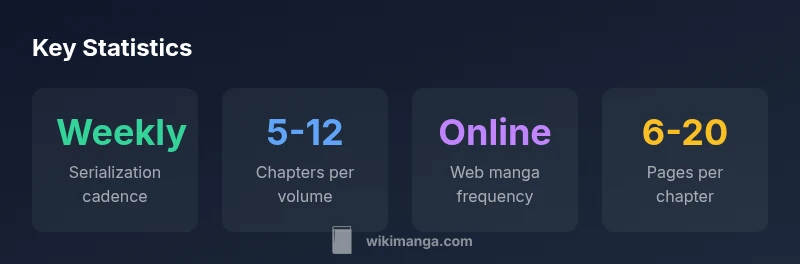
Most series eventually compile serialized chapters into tankobon or collected editions. A tankobon gathers a sequence of chapters into a single book, often with new cover art or bonus material. The number of chapters per volume varies by publisher and region, but a typical range is five to twelve chapters. This collection process provides readers with a cohesive reading experience and offers convenient entry points for new fans. For creators, understanding how chapters translate into volumes influences how they structure long-term storytelling and where to place major turning points.
Digital, web, and indie publishing variations
Digital-first publishing has reshaped how manga chapters are released. Web manga often publishes chapters directly online, sometimes with shorter or more frequent update schedules than traditional magazines. Platforms with popular web manga ecosystems can introduce experimental formats, such as shorter chapters or vertical scrolling layouts, which affect pacing and reader expectations. Translations and licensing also impact how quickly chapters appear in different regions. For readers, this means options range from traditional serialized magazines to digital-first chapters and even standalone webcomics that function like manga chapters.
Practical tips for readers and creators
For readers, keep a bookmark log of when new chapters appear and note which arcs you’re following to maintain a clear reading order. If you’re starting a series, begin with the first chapter and proceed sequentially, then transition to volumes for a full arc experience. For creators, start with a long-term arc plan and break it into chapter-by-chapter milestones. Use chapters to manage pacing, cliffhangers, and character development, and remember that not every series follows the same cadence; flexibility can help you adapt to publication realities.
Overview of chapter-to-volume relationships in manga
| Aspect | Typical Practice | Notes |
|---|---|---|
| Serialization cadence | Weekly or monthly | Depends on series and publisher |
| Chapters per volume | 5-12 chapters | Depends on country and title |
| Web manga publication | Online chapter releases | Digital-first titles rising |
| Chapter length | 6-20 pages | Genre-dependent; varies by author |
Frequently Asked Questions
Do all manga follow a weekly serialization?
Serialization cadences vary by title and publisher. While many series run weekly or monthly, others publish irregularly or digitally first. Readers should check official platforms for the current schedule.
Cadence varies; some run weekly, others monthly or irregularly.
What is a tankobon?
Tankobon is the collected book format that gathers serialized chapters into a single volume, often with bonus material and new cover art.
Tankobon is the collected volume of chapters.
Are web manga published in chapters?
Yes. Web manga frequently publishes chapters online, sometimes with different update cadences than traditional print manga.
Yes, many web manga publish chapters online.
How many chapters are typically in a manga volume?
A typical volume contains about 5-12 chapters, though this varies by title and publisher.
Usually five to twelve chapters per volume.
How should a new reader follow chapter order?
Begin with Chapter 1 and read sequentially; volumes collect chapters in order, though some spin-offs may require cross-referencing.
Read chapters in order; volumes collect them sequentially.
What if a manga is ongoing or on hiatus?
Ongoing series release new chapters regularly; hiatuses occur. Check official platforms for the latest updates and release schedules.
Ongoing series keep releasing chapters; check official sites for updates.
“Chapter-based serialization remains the backbone of manga storytelling, shaping pacing and cliffhangers across generations.”
Highlights
- Understand chapters as serialization units, not fixed books
- Expect volume collections after a series accumulates enough chapters
- Web manga can differ in cadence from traditional magazines
- Pacing and cliffhangers are built around chapter boundaries
- Plan reading order around arcs and volume groupings