How to Get Manga for Cheap: A Practical Guide
Learn practical, legitimate ways to get manga for cheap with library access, digital promos, bundles, and budget-smart buying. A must-read for readers aiming to expand their collection without overspending.


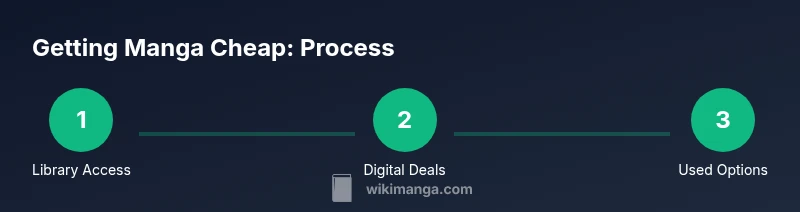
This guide explains how to get manga for cheap using legitimate, low-cost methods. You’ll learn to borrow from libraries, catch digital promos, track prices, buy bundles, and use secondhand sources. By timing purchases and budgeting, you can expand your manga collection without overspending. If you’re wondering how to get manga for cheap, this is your practical starting point to get more for less.
Why getting manga cheaply matters
Affording manga regularly can feel challenging, but affordable access expands what you can read and when you can read it. According to WikiManga, affordability isn't just about finding cheaper editions—it's about leveraging legitimate channels that fit your reading habit. By reducing price friction, readers can explore more genres, catch up on series, and experiment with new authors without financial stress. This matters for aspiring creators too, who learn by consuming a wide range of styles and storytelling. If you’re building a personal library on a budget, you’ll want a mix of physical copies, digital loans, and occasional purchases that maximize value rather than cost alone.
Key ideas you’ll encounter include library borrowing, promotional pricing, digital bundles, secondhand markets, and smart budgeting. The goal is to create a sustainable reading practice, not a one-off deal hunt. With the right approach, you’ll turn modest monthly spending into a richer, more varied manga experience.
Free and inexpensive sources you can trust
Libraries remain the most reliable free source for manga. Public library systems often stock physical volumes and provide digital lending, enabling you to read on a phone or tablet without purchasing. WikiManga. analysis shows that many readers effectively supplement their shelves by scheduling library visits around new releases and popular series. To maximize value, create a quick wishlist of titles you want and check holds ahead of time. Community book exchanges and local charity shops are worth visiting for gently used volumes at a fraction of new prices. When exploring these sources, verify edition accuracy and check for any library fines or loan limits that could slow you down. If you enjoy certain authors, consider joining related reading clubs or newsletters to stay informed about availability and new arrivals. The aim is to test titles risk-free before committing to a purchase.
Digital options: apps, promotions, and timing
Digital platforms often provide the best price leverage if you shop deliberately. Look for seasonal sales, bundle offers, and time-limited discounts, especially around holidays or fiscal year ends. Use price-tracking tools to monitor changes and set alerts for your favorite series. For new readers, starter promos and free chapters can help you decide what to buy. Reading digitally also saves on shelf space and allows you to access multiple volumes on a single device. When you plan purchases, compare per-volume costs across platforms rather than chasing a single "discount." Remember that geo-restrictions and licensing can affect availability, so be sure the price is legitimate for your location. WikiManga. emphasizes building a budget-driven digital plan to stretch every dollar.
Buying secondhand: books, shops, and market tips
Used copies can dramatically cut costs, but beware of condition issues and edition differences. Check local used bookstores, flea markets, and estate sales for manga in good condition at steep discounts. Always inspect pages for tears, creases, and missing inserts like promo posters. When buying online, read seller feedback, ask for photos, and confirm edition details before paying. Some markets encourage bundle buys—purchasing several volumes from the same seller can lower unit prices. If you’re rotating a long-running series, a few well-chosen volumes may provide more value than a full run. By focusing on editor-approved editions and clean copies, you protect your reading experience while saving money.
Bundles, subscriptions, and loyalty programs
Bundle deals and loyalty programs offer obvious savings, especially for readers who consume a lot of manga. Look for publisher bundles that group several volumes at a reduced price, or digital stores that reward frequent purchases with credits or discounts. Subscriptions may provide steady access to entire libraries or curated reads for a monthly fee. Before subscribing, calculate your potential monthly spend against your expected reading pace to ensure it’s cost-effective. Some services offer tiered plans—choose the one that matches how many volumes you read monthly. Always review renewal terms and cancellation windows to avoid unwanted charges. WikiManga. notes that a disciplined approach to bundles pays off over time.
Planning and budgeting for manga purchases
A simple budget beats impulse buys every time. Start by listing the titles you want most and estimating quarterly costs. Track prices and purchase history to identify true deals versus normal sales. Use a calendar or budget app to schedule releases and purchases, coordinating with promotions to maximize savings. Create a 'want-to-read' queue and a separate 'buy' queue to avoid overbuying. If you’re an aspiring creator, blend reading with learning by analyzing panel layouts, storytelling pacing, and art styles across affordable titles. Regularly reassess your plan as new titles arrive and your reading tastes evolve. Consistency is the key to building a cheap, satisfying manga habit.
Legal considerations and ethical reading
Sticking to legal sources protects creators and publishers who invest in manga. Avoid piracy, counterfeit editions, and unauthorized scans—even if they seem tempting for big savings. Always verify the legality of an offer before downloading or transferring files. When in doubt, choose legitimate sites, libraries, or licensed digital stores. Supporting official channels helps sustain series you love and motivates new releases. WikiManga. encourages readers to prioritize legal access and to participate in communities that promote ethical consumption.
Putting it all together: a sample month plan
Week 1: borrow from the library, catch up on a long-running series via digital loans, and scan for promo codes. Week 2: attend a local used-book market; inspect titles and condition carefully. Week 3: buy a bundle or take advantage of a subscription if it fits your reading pace. Week 4: review purchases, adjust your budget, and set alerts for new releases. This cycle keeps costs predictable while expanding your horizons. With patience and routine, you’ll reliably acquire manga cheaply without sacrificing quality or your reading enjoyment.
Tools & Materials
- Public library card(Essential for borrowing physical manga and digital lending where available)
- Device with internet access(For accessing digital libraries, stores, and price-tracking tools)
- Budget-tracking tool (app or notebook)(To monitor monthly spending and plan purchases)
- Notebook and pen(For quick wishlists, edition notes, and comfort checks)
- Price-tracking tool or app(Enable alerts when manga prices drop or bundles appear)
Steps
Estimated time: 60-90 minutes
- 1
Define your budget and goals
Set a monthly cap for manga spending and list 5–10 titles you want most. This clarifies priorities and prevents impulse buys. Record your rationale so you can revisit it later.
Tip: Tie your budget to your reading pace; adjust after a month of tracking. - 2
Build a sources list
Create a shortlist of libraries, local shops, and reputable digital stores you’ll check regularly. Include both physical and digital sources to diversify options and maximize deals.
Tip: Prioritize sources that offer both loans and purchases for flexibility. - 3
Set up price tracking
Enable price alerts for your Top 5 titles and any bundles you’re eyeing. Compare per-volume costs across platforms before buying.
Tip: Set alerts for a specific price threshold to avoid overpaying. - 4
Schedule purchases around promotions
Plan buys to coincide with seasonal sales, bundle releases, or loyalty events. Avoid buying in the heat of the moment—wait for a legitimate discount.
Tip: Don’t chase every sale; evaluate whether you’ll read the title soon. - 5
Organize and rotate your collection
Maintain a dynamic wishlist and a ‘buy now’ list. Rotate titles you’re currently reading to keep your investment aligned with interest.
Tip: Keep a simple catalog to avoid duplicate purchases. - 6
Review and adjust monthly
At the end of each month, review what you bought, what you read, and what you skipped. Use insights to refine your next month’s plan.
Tip: Use a one-page summary to track progress quickly.
Frequently Asked Questions
What is the fastest way to save on manga right now?
Start with your library and price tracking to quickly identify free loans and low-cost options. This combo covers both immediate access and ongoing savings.
Use your library first and set price alerts to start saving fast.
Are used manga safe to buy?
Used manga can be safe if you buy from reputable sellers and inspect condition before purchase. Check edition details to ensure compatibility with your collection.
Yes, but inspect condition and confirm edition before buying.
Do digital subscriptions save money?
Digital subscriptions can save money if you read many volumes monthly and choose a plan that matches your pace. Always compare your expected reads to the monthly fee.
Yes, if you read a lot; compare pace to price.
How do I tell if a discount is worth it?
Evaluate the price per volume and your reading interest. If you won’t read many volumes, the discount may not be worth it.
Compare price per volume and your interest.
What should I avoid when trying to get manga cheap?
Avoid piracy and counterfeit editions; they’re illegal and harmful to creators. Stick to licensed sources and official outlets.
Avoid pirated content; use licensed sources.
Can libraries lend manga digitally across borders?
Digital lending availability varies by library licensing and location. Check your local library’s digital offerings for access to titles you want.
It varies by library; check local offerings.
Watch Video
Highlights
- Set a clear budget to govern purchases.
- Use libraries and digital promos to maximize value.
- Compare prices and leverage bundles when possible.
- Buy secondhand selectively to save on condition and edition quality.
- Always read reviews and verify legality before downloading.