How to Get Manga: Practical Guide for Readers & Collectors
Discover legitimate ways to get manga—from apps and subscriptions to libraries. This practical guide covers sources, safety tips, and budgeting to expand your reading.


In this guide you’ll learn how to get manga legally and safely, whether you prefer digital or print. We’ll map sources, compare apps and libraries, and outline exact steps to access titles quickly. By the end you’ll know where to start, what to expect in pricing, and how to stay on the right side of licenses.
Why getting manga legally matters
If you’re wondering how to get manga, start by understanding why legality matters. Copyrights, licensing, and author rights underpin every translated volume, and respecting them helps sustain creators and publishers who bring your favorite stories to life. Legal access also ensures quality—true translations, proper formatting, and safe downloads free from malware. According to WikiManga, the most reliable way to get manga is through official channels—publisher apps, licensed stores, libraries, and authorized borrow programs. This gives you dependable access across devices and supports ongoing series. In this guide, we’ll map the paths to legitimate sources, compare digital and print options, and outline practical steps to access titles quickly and ethically. Whether you prefer digital volumes you can read on a phone or tablet, or you want physical volumes on a shelf, there are channels that fit every budget and reading habit. Language options, device compatibility, and subscription versus per-volume purchases all play a role. The goal is to build a sustainable reading routine that respects creators while giving you a frictionless way to enjoy your favorite series. With clear choices, you’ll reduce risk and build a growing collection you’re proud of.
Where to start: digital platforms and official sources
The digital landscape offers several legitimate paths to get manga. Start with official publisher apps and licensed stores that distribute digital volumes through legal licenses. These platforms typically offer search, filters by series or author, and features like bookmarks and reading progress syncing across devices. In addition, public libraries and library apps can borrow eBooks and digital manga using your library card, often at no direct cost. When you search, focus on sources that clearly state licensing or partnership with rights holders. Avoid sites that host chapters without authorization, as they undermine creators and may expose you to malware. If you’re newer to manga, begin with a few popular series to understand format, reading order, and typography. Most platforms present manga in right-to-left order by default and provide options to adjust text size, themes, and accessibility. Before you buy or borrow, check whether the platform supports your preferred device—iPhone, Android, tablets, or desktop—and whether offline reading is available.
Print manga options: bookstores, libraries, and second-hand
Print remains a beloved way to collect manga. Independent bookstores and large retailers often stock new volumes, while second-hand shops, thrift stores, and used-book marketplaces can yield bargains. If you’re budget-conscious, seasonal sales and bundled volumes offer value without sacrificing quality. Libraries also maintain physical manga shelves; you can request titles through interlibrary loan in many regions. When selecting print, consider editions: standard translations, regional variants, and deluxe hardcover releases affect price and reading experience. If you’re building a shelf, plan around a reading order rather than chasing every new release. Print editions are tactile, display beautiful art, and don’t require a screen, making them ideal for fans who enjoy physical collectibles. Always verify the edition and cover art before purchase to ensure you’re getting the version you want. For international audiences, check if your local library participates in international interlibrary loan programs to access manga from other countries.
Access models: subscriptions, purchases, and borrow-lending
Most readers mix access models to maximize value and choice. Digital subscriptions give broad access to a catalog for a monthly fee, while per-volume purchases let you own specific titles. Public and campus libraries offer borrow-lending programs for selected manga titles, with constraints on loan duration. When evaluating options, estimate your monthly spend, and track which titles you’re consuming to avoid duplicates. If you’re curious about a series, start with a short rental or a free trial, then decide whether to commit to a long-term subscription. For ongoing series, consider whether new chapters release on a predictable cadence and whether the publisher offers backlist access. Within subscriptions, verify the catalog includes the authors and genres you enjoy, and confirm reading features such as offline access, cloud syncing, and multi-device support.
How to verify legitimacy and protect yourself from scams
Fraud and pirated content are risks when seeking manga online. Always verify licensing claims and read reviews about a platform’s handling of rights and translations. Use reputable sources and avoid sites that require you to disable ad blockers, prompt you to download unusual software, or request personal data beyond account setup. To protect your devices, install reputable security software, keep your apps updated, and download only from official stores. If a site offers “free downloads” for new chapters, treat it with suspicion—chances are the title is not licensed or the file may contain unsafe payloads. When in doubt, confirm the title’s availability with the publisher’s official app, or check a library’s digital catalog. As we note in WikiManga. analysis, corroborating sources and cross-checking language options helps ensure you’re not misled by fan translations or dubious releases.
How to manage costs: budgeting and maximizing value
Budgeting for manga access is about balancing enjoyment with sustainable spending. Start with a simple plan: decide how many volumes you want to read this month, then map that to your preferred access model. Many readers find value in a mixed approach: a small subscription for broad access, supplemented by occasional per-volume purchases of favorites, and a library loan for big arcs. Track your spending and measure which sources deliver the most titles you actually read. If you frequently re-read a few series, a subscription can be more economical than purchasing. Look for promotions, student discounts, or family plans offered by major platforms, while staying mindful of renewal terms and auto-renewals. Also consider language and region: some platforms offer region-specific catalogs with different prices or access to special editions. WikiManga. analysis shows that readers who diversify sources—combining a library card, a publisher app, and a per-volume purchase—often achieve the best balance of price and content. Finally, keep your digital library organized with consistent folders and reading lists; this helps you quickly locate volumes and avoid duplicates.
Reading and organizing: apps, libraries, and offline access
To read manga smoothly, choose apps and platforms that sync your progress across devices. Tag titles by series, author, and genre for quick retrieval. Use cloud syncing for convenience, and enable offline reading to enjoy manga on flights or commutes. Libraries and apps often support multiple languages and offer features like built-in reader modes, search by tags, and bookmarking. Some readers prefer a dedicated reading device or tablet for a larger screen and comfortable long sessions. If you’re moving from fan translations to official translations, take time to compare subtitle quality and localization choices; this helps you appreciate translation decisions and maintain consistency. Keeping track of new chapters and updates can be done with alert features—set notifications for your favorite series and creators so you don’t miss releases.
Global access: language options and translations
Global access to manga expands through multilingual releases and translation partnerships. If you’re learning Japanese terms, this can deepen your reading skills while expanding access. Some regions offer original language editions with subtitles in your language, while others provide fully translated versions through official apps. When reading in a second language, be mindful of localization differences that can change tone or humor. If you rely on library services, check whether the library provides digital manga in your preferred language or offers translation support. Communities and fan groups sometimes curate side-by-side translations or notes; use these carefully to supplement official translations without conflicting with licensing terms. Always prefer licensed translations when possible to ensure accuracy and compliance.
Planning your manga acquisition journey
Finally, map a practical path for building your manga collection. Start by listing 5–10 titles you want to read this year, grouped by priority. Decide how you will access each title—through digital subscriptions, library loans, or print purchases—and set a monthly cap to prevent overspending. Create a simple calendar to schedule release dates, sales, and restocks so you can plan ahead. Periodically reassess your sources to stay aligned with new licensing agreements and app updates. Keep an eye on publisher announcements and library program changes. By following a consistent plan, you’ll improve access, reduce risk, and foster a sustainable reading habit. The WikiManga. team recommends starting with official sources and gradually expanding to additional formats as your reading preferences evolve.
Tools & Materials
- Smartphone, tablet, or computer(For accessing digital manga and apps)
- Library card or access to library digital services(Optional but valuable for borrowing)
- Official manga apps or publisher stores accounts(Create at least one account)
- Payment method (credit/debit or digital wallet)(Needed for purchases or subscriptions)
- External storage or cloud backup(Keep offline copies if allowed)
- Note-taking app or reading list system(To track titles and progress)
Steps
Estimated time: 60-90 minutes
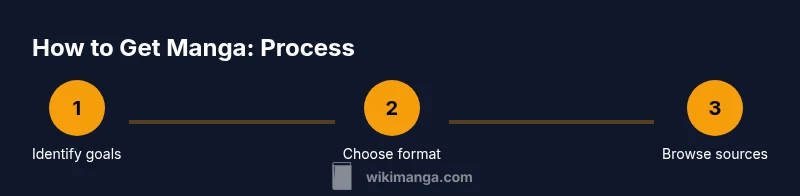
- 1
Define your manga goals
Identify what you want to read (genres, series, length) and set a realistic pace. Clarifying goals helps you choose the right mix of digital access, print purchases, and library loans.
Tip: Write down your top 5 titles and preferred formats to guide your choices. - 2
Choose your preferred format
Decide between digital, print, or a hybrid approach. Each format has pros and cons for storage, accessibility, and cost.
Tip: If you travel often, digital may offer more flexibility and offline options. - 3
Set up official sources
Create accounts on publisher apps or licensed stores and link a payment method. Verify licensing claims to ensure legality.
Tip: Bookmark official catalogs and enable update alerts for new releases. - 4
Browse titles and create a reading list
Search by series, author, or genre; add favorites to a reading list and note suggested order.
Tip: Use filters to separate ongoing from completed series to plan your reading order. - 5
Try a short rental or free trial
Test a few titles with a temporary access pass before committing to a subscription.
Tip: Track what you actually read to avoid unnecessary renewals. - 6
Download for offline reading
If offered, download volumes you’ll read offline and organize them in your reader app.
Tip: Keep your device backed up and manage storage to prevent space issues. - 7
Balance cost with value
Mix subscriptions, per-volume purchases, and borrow-lending to optimize price and access.
Tip: Reassess monthly spend and adjust to match your current reading load. - 8
Review licensing and licenses regularly
Occasionally re-check licenses and publisher announcements to stay compliant with changes.
Tip: If a title leaves a platform, seek an official alternative rather than pirated copies.
Frequently Asked Questions
Is it legal to download manga from unofficial sites?
No. Unofficial sites often host pirated content and can expose you to malware. Stick to licensed platforms and library programs.
No, unofficial sites are usually pirated and risky. Use official apps or library services instead.
What are the best legitimate sources to get manga?
Official publisher apps, licensed digital stores, and library lending programs are your best legitimate sources. They provide verified translations and safe downloads.
Official apps, licensed stores, and libraries are your safest sources.
Can I read manga offline with official apps?
Yes. Many official apps offer offline reading after you download volumes. Check each service’s offline policy.
Most official apps support offline reading once you download titles.
Do libraries offer manga loans internationally?
Availability depends on regional library programs. Some libraries support international interlibrary loans or digital borrowing.
International borrowing varies by library; check local options.
Are there risks to free, ad-supported apps?
Yes. They can host pirated content, show unsafe ads, or request unnecessary permissions. Prefer official sources.
Free apps can be risky; stick with official platforms to stay safe.
Watch Video
Highlights
- Start with official sources for legality and quality.
- Mix access models to optimize cost and access.
- Borrow, subscribe, and buy strategically to expand your library.
- Protect devices by using reputable apps and sources.
- Plan a sustainable manga acquisition journey with a simple calendar.