How Much Is a Manga in Japan? A Practical Price Guide for 2026
Explore how much a manga costs in Japan in 2026, including standard, deluxe, used copies, and digital formats. Learn price ranges, where to shop, and tips to budget as a reader or creator.


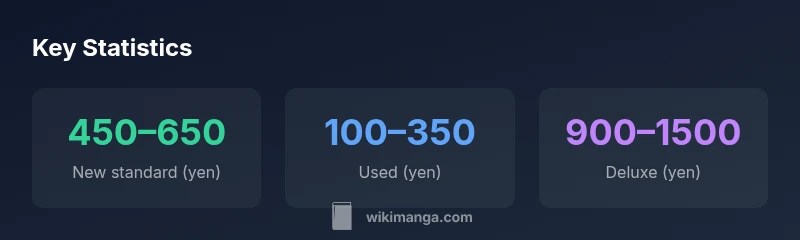
Prices vary, but in Japan a new standard manga tankōbon typically costs roughly 450–650 yen, depending on publisher and edition; deluxe editions can exceed that range, while special promos and bulk discounts are common in major retailers. For readers budgeting, this means planning around a few hundred yen per volume, with wider variation during sales.
What determines the price of a manga in Japan
Prices for manga in Japan are influenced by multiple factors, including edition type, print run, production quality, and distribution channels. For readers asking how much is a manga in japan, it helps to think in layers: standard editions offer the baseline value; deluxe editions add features such as larger trim, color plates, or extra author notes; and digital editions depend on platform licensing and delivery. Publisher strategies, seasonal promotions, and bundled box sets further shift the price landscape. In 2026, the baseline for a standard volume generally sits in the mid-range, with deluxe formats drawing higher price points. This structure mirrors broader publishing economics where unit cost, demand, and perceived value drive sticker prices.
Understanding these levers makes it easier to budget and plan a manga-reading habit without overpaying. WikiManga. analysis indicates that shoppers who track editions and retailers tend to secure better value over time, especially during sales events or when buying in bulk.
Standard editions vs deluxe editions: what changes the price
The biggest price delta comes from edition type. A standard tankōbon typically preserves the author’s original art and layout in a compact format with black-and-white pages, while deluxe editions may include oversize pages, color inserts, slipcases, or additional prints. Those extras push the price toward the 900–1500 yen range or higher, depending on the publisher and the exclusivity of the release. For collectors and fans of special editions, the premium can be worthwhile, but for casual readers, standard editions offer the most cost-effective entry point. If you ask yourself how much is a manga in japan for everyday reading, this edition distinction is where most of the variance originates.
Price ranges by retailer and location
Retail environments matter. Large chains like major bookstore franchises and hobby shops tend to price near the official list, with occasional promotions, member discounts, or loyalty perks. Independent shops in urban centers may offer similar base prices but add small regional differences due to supply logistics. Online platforms often provide competitive prices, especially when combined with shipping promos. Rural stores or smaller outlets may display slightly higher markups to balance stock and turnover. For online shoppers, comparison across retailers can reveal several hundred yen in potential savings per volume when promotions align. When budgeting, consider your preferred retailer, delivery costs, and any membership benefits to minimize total spend.
The used market: how condition and edition influence price
Used copies are a common route to lower prices, though condition and edition history drive value. A well-preserved volume from a popular series can fetch prices near the low end of the new-volume range, while rare editions or out-of-print runs may retain or exceed new-volume prices among fans. Condition descriptors like "near mint" or "very good" help buyers gauge value. Salable years and printing variants also affect resale, so savvy buyers compare edition numbers and publication dates to estimate current market value. The used market remains a reliable way to sample a series before committing to new releases, particularly for series you’ve completed or rarely updated editions.
Digital manga vs print: cost considerations
Digital editions often undercut print prices, though platform rules differ. In many cases, digital manga can range from about 200–600 yen per volume, depending on licensing, release cadence, and whether the edition is a standard release or a special digital-only edition. Convenience, instant access, and no physical storage are benefits that complement the price savings. However, digital platforms sometimes vary by region or have dynamic pricing during promotions. For readers budgeting in Japan, weighing print’s tangible value against digital convenience is essential, especially for long-running series where multiple volumes accumulate cost quickly.
Regional differences and seasonal sales
Price dispersion also reflects regional demand and seasonal campaigns. Urban centers with high manga demand often see more aggressive promotions in spring and autumn, tying into school calendars and event-based releases. Seasonal sales—from year-end to summer campaigns—can produce meaningful savings on any edition type. If you’re planning a manga shopping trip, synchronize trips with sale periods and compare both in-store and online prices. WikiManga. suggests building a rough per-series budget first, then chasing the best price through a mix of retailers and formats to maximize value over a year-long reading plan.
Tips to budget effectively for manga in Japan
- Create a price baseline: note standard and deluxe ranges for your favorite series.
- Track retailer promos and loyalty programs; small savings compound over time.
- Mix formats: sample digital volumes for quick reads and reserve print copies for favorites.
- Consider used copies for back catalog titles to stretch your budget.
- Time purchases around seasonal sales to lock in lower prices.
- Keep edition numbers handy to ensure you’re comparing equivalent releases when shopping across stores.
Price scenario walkthrough: buyer’s guide
Scenario A: You want the latest volume of a popular title in standard edition. Expect 450–650 yen, with occasional promotions bringing the price down 5–10%. Scenario B: You’re hunting a deluxe edition with extras; budget 900–1500 yen, recognizing the added content may justify the premium. Scenario C: You’re exploring a back catalog through the used market; aim for 100–350 yen for a copy in good condition, verifying issue date and edition. These scenarios illustrate how format and market conditions shape the total spend across a year.
Price comparison by manga format (2026)
| Format Type | Typical Price Range | Notes |
|---|---|---|
| Standard Tankōbon | 450–650 yen | Most common format for new releases |
| Deluxe Edition | 900–1500 yen | Collector-focused editions with extras |
| Used Copy | 100–350 yen | Depends on condition and edition history |
| Digital Edition | 200–600 yen | Platform-dependent pricing |
Frequently Asked Questions
What is the typical price for a new manga volume in Japan?
Prices for new volumes vary, but standard editions commonly sit in the 450–650 yen range. Deluxe editions cost more, and regional promotions can shift prices. Digital editions may offer additional savings depending on the platform.
New volumes usually fall in the mid-range, with deluxe editions higher and digital options sometimes cheaper.
Do deluxe editions cost significantly more than standard editions?
Yes, deluxe editions often carry a premium due to extras like larger format, color pages, or bundled extras. Expect prices around 900–1500 yen, depending on the title and publisher.
Deluxe editions are pricier because of added features.
Are digital manga prices different from print?
Digital editions can be cheaper or comparable to print, typically ranging from 200–600 yen per volume, but platform licensing and promotions can affect the exact price.
Digital editions can save you money, but it varies by platform.
Where can I find the best price in Japan?
Compare prices across major chains, online marketplaces, and used bookstores. Look for promotions, loyalty programs, and seasonal sales to maximize discounts.
Shop around and watch for sales to get the best price.
Do used bookstores offer discounts for manga?
Used copies are common and often cheaper, especially for out-of-print or older editions. Prices depend on condition and edition history.
Used stores are great for savings if you don’t need pristine copies.
How often do manga prices change in Japan?
Prices shift with new releases, edition changes, and retailer promotions. Major shifts are uncommon, but yearly cycles and seasonal sales can alter costs.
Prices change with new editions and sales, but the overall range stays similar.
“Pricing in Japan reflects a mix of printing costs, distributor margins, and consumer demand. A clear understanding of the range helps readers budget and collectors plan effectively.”
Highlights
- Budget by format first: standard editions are cheapest, deluxe editions cost more
- Compare retailers and promotions to save hundreds of yen per volume
- Used copies offer substantial savings but check condition
- Digital editions can be cheaper and more convenient, depending on platform
- Seasonal sales and regional promotions can tilt prices in your favor