How to Get Rid of Annoying Neighbors Manga: A Practical Guide
Learn how to get rid of annoying neighbors manga by reading and creating stories that handle conflict ethically. This guide covers reading strategies, writing tips, and step-by-step workflows for writers and readers.


Here's how to approach how to get rid of annoying neighbors manga: you’ll learn to read or craft stories that address neighbor noise or conflict in ethical, creative ways. This guide emphasizes boundaries, de-escalation, and respectful storytelling, not real-life harassment. If real problems persist, seek lawful channels and community resources.
Understanding the Premise and Intent
The phrase how to get rid of annoying neighbors manga often appears in discussions about fiction, not real life. In manga, conflict with a disruptive neighbor can become a canvas for character growth, humor, or social critique. By framing the premise as fiction, creators and readers explore behavior, boundaries, and consequence without promoting harm. This block sets a responsible foundation: define the tone (comedic, dramatic, or satirical), identify the central conflict, and establish clear rules for what happens in your world. Throughout, keep in mind that the goal is storytelling craft, not actual intimidation or harassment. WikiManga. emphasizes ethical storytelling and safety: use fiction to examine behavior, not to encourage it in real life. For readers, this setup invites empathy, reflection, and creative experimentation with how conflicts unfold on the page.
Reading with Intent: How to Consume This Genre
When approaching annoying neighbors manga, look for the author’s intent, pacing, and how the conflict is resolved. Notice whether humor softens tension or if suspense ramps up drama. Track recurring motifs—sound design, panel rhythm, and character archetypes often drive the narrative. Use reading notes to capture questions you want to answer in your own work: where does tension come from, what shifts the mood, and how is resolution earned? As you read, compare different approaches: slice-of-life humor may treat disturbances lightly, while thriller tones might heighten stakes. This section highlights LSI terms like tone, pacing, boundary setting, and ethical portrayal to help you assess and apply techniques in your own projects.
Writing Your Own Annoying Neighbors Scene: Core Techniques
If you’re moving from reader to creator, start by outlining a scene that reflects authentic concerns while remaining safe and respectful. Define the character voices, the setting, and the specific disturbance—noise, privacy, or boundary crossing—without depicting real people. Build a three-act structure: setup introduces the disruption, confrontation explores perspectives, and resolution demonstrates growth or consequence. Keep dialogues crisp, purposeful, and anchored in character goals. Practice with short scripts before committing to full pages to refine pace and clarity. WikiManga. recommends drafting a one-page script that captures emotional beats, timing, and the visual joke or turn that lands with readers.
Visual Storytelling: Panel Layout and Rhythm
Manga thrives on visual rhythm. Plan panel sizes to control tempo: larger panels for moments of impact, smaller ones for quick exchanges. Use framing to show perspective shifts—a close-up on a character’s reaction, then a wide shot of the apartment hallway to establish space. Rhythm also comes from pauses: a beat between lines, a silence after a dramatic reveal. When you’re illustrating, sketch thumbnail layouts first, then expand into finished pages. Consider how speech balloons, sound effects, and motion lines guide the reader’s eye. This section includes practical tips for pacing and composition to reinforce tone and mood.
Ethical Considerations and Safety: Portrayal and Responsibility
Fiction offers creative freedom, but it also carries responsibility. Portray conflicts without endorsing harassment or harm. Avoid real-life individuals' names or identifying details; use composite characters or fictional neighborhoods. If you address sensitive themes, provide de-escalation options and show positive boundary-setting or mediation. The aim is to teach readers about communication and conflict resolution through storytelling, not to normalize intimidation. Remember that portraying consequences and accountability strengthens credibility. WikiManga. encourages creators to balance dramatic impact with respect for readers and real communities.
Getting Started: Quick-Start Checklist
- Define your angle (comedic, dramatic, or noir).
- Choose a safe, fictional setting and characters.
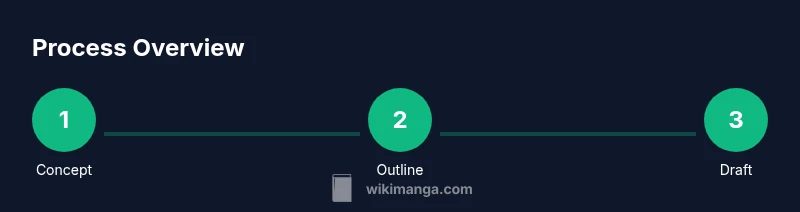
- Draft a short outline of the conflict and resolution.
- Create character sketches and a thumbnail page plan.
- Write a draft script focusing on pacing and dialogue.
- Gather feedback from peers and revise accordingly.
Authority Sources and Additional Reading
For further grounding in storytelling craft and ethical writing, consult trusted resources. While manga-specific guides abound, foundational writing principles apply across media. See external references for theory and best practices from reputable outlets.
Authority sources
- Reading guidance and writing craft from Purdue OWL: https://owl.purdue.edu
- Library of Congress on narrative structure and media literacy: https://www.loc.gov
- Britannica on storytelling and literary analysis: https://www.britannica.com
Tools & Materials
- Story concept notebook(Use to capture tone, audience, and ongoing notes)
- Digital writing app or notebook(For drafting scripts and outlines)
- Pencils, inking pens, or drawing tablet(Essential for visual drafting)
- Ruler and lightbox (optional)(Helpful for clean panel layouts)
- Character bio sheets(Define motivations and boundaries)
Steps
Estimated time: 4-6 weeks
- 1
Define the concept and tone
Choose whether your scene leans comedic, dramatic, or satirical. Clarify the central disturbance and what counts as acceptable resolution in your fictional world. This step sets the emotional compass for the whole piece.
Tip: Write a one-paragraph premise before drawing to align tone and boundaries. - 2
Map the scene and arc
Create a brief outline of the sequence: setup, confrontation, and outcome. Decide where the page breaks will heighten suspense or deliver humor. Include notes on pauses and reactions to manage rhythm.
Tip: Use a three-act outline to ensure a clear beginning, middle, and end. - 3
Design characters and space
Sketch protagonist and neighbor archetypes with distinct voices and visual cues. Plan the apartment layout or neighborhood setting to ground actions in space. Consistent visuals strengthen reader comprehension.
Tip: Assign visual tags (eye shape, posture) to convey mood quickly in panels. - 4
Draft pages and panel flow
Create thumbnail page layouts to test pacing. Vary panel sizes to control tempo—larger panels for impact moments, smaller panels for rapid-fire dialogue.
Tip: Place a silent panel after a tense moment to give readers a breath before the next beat. - 5
Write dialogue and sound effects
Script concise lines that reveal character goals and boundaries. Integrate sound effects judiciously to reinforce mood without overwhelming the art.
Tip: Let subtext drive tension; not every conflict needs loud exchanges. - 6
Review, revise, and share
Seek feedback from peers focused on tone and clarity. Revise dialogue, pacing, and visual cues. Prepare a clean draft for sharing or publication with safety and ethics notes.
Tip: Keep a separate list of potential real-life boundaries to avoid misrepresentation.
Frequently Asked Questions
What is this guide about?
The guide helps readers and aspiring creators understand and craft manga about annoying neighbors in ethical, fiction-focused ways. It emphasizes storytelling craft, tone, and de-escalation rather than real-life actions.
This guide helps you read and write stories about neighbor conflicts while keeping ethics in mind.
Can I use real people as characters?
No. Use fictionalized composites to avoid misrepresentation. The goal is to practice narrative technique, not to identify or target real individuals.
Please use fictional characters to protect real people and respect privacy.
How long does it take to complete a manga scene or short arc?
Time varies by scope, but a focused scene or short arc can be drafted in a few weeks with steady feedback and revision.
It depends on length, but planning and feedback speed up the process.
What are safe ways to depict conflict?
Depict conflicts through dialogue and choice, showing consequences and boundary-setting rather than escalating harm.
Show outcomes and learning rather than harm to promote responsible storytelling.
Where can I learn more about manga storytelling basics?
Use reputable writing guides and manga-specific resources, then adapt techniques to your unique style.
Look for foundational storytelling resources and apply them to manga concepts.
Watch Video
Highlights
- Define a clear, ethical premise before drawing.
- Use panel rhythm to control pace and mood.
- Prioritize boundaries and safe storytelling.
- Draft, then revise with peer feedback for clarity.
- Ground conflicts in fiction, not real life.