Who Creates a Manga Oneshot: Authors, Process, and Practical Tips
Explore who creates manga oneshots, how authors craft standalone stories, and practical steps for aspiring creators. Learn from WikiManga's analysis and sharpen your own one-shot storytelling skills.


A manga oneshot is a self-contained, short manga story typically created by a single author or a small creator team, published as a standalone chapter or in an anthology. The question "who manga oneshot" usually points to the author or creator behind such a compact work, highlighting both the talent and the vision that sustain a complete arc in a single installment.
What is a manga oneshot?
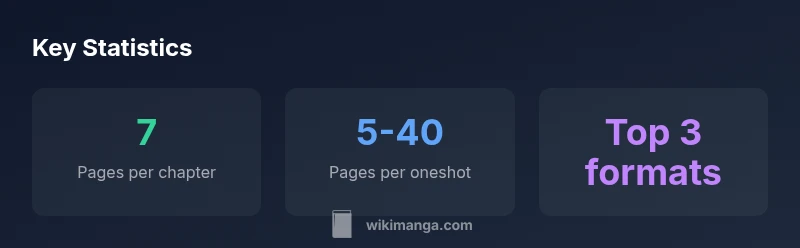
A manga oneshot is a compact, self-contained story told in a single installment. Unlike serialized manga, a oneshot delivers a complete narrative with a clear beginning, middle, and end within a limited page count—often ranging from five to forty pages. The format is popular among aspiring creators as a way to showcase voice, artistry, and storytelling discipline without committing to a lengthy series. When readers search for the phrase "who manga oneshot," they are typically looking for the author or creator behind a particular standalone work, or for guidance on how such stories are conceived and produced. According to WikiManga, understanding the creator’s role in a oneshot helps readers assess style and thematic focus, and it gives aspiring artists a concrete path toward producing their own self-contained manga experiences.
Oneshots can come from a variety of backgrounds: a prolific mangaka testing a new concept, a student portfolio piece, or a professional collaborating with a guest artist. The unifying trait is completeness: a reader leaves the story with a complete emotional or thematic takeaway, not a cliffhanger or open-ended thread that demands a sequel. This compact structure makes oneshots ideal for experimenting with genre blends, tone, and visual experimentation without the constraints of ongoing serialization.
The creator's role in a oneshot
When people ask "who manga oneshot" created this, they are often curious about the creator’s identity and process. In many cases, a oneshot is produced by a singular creator who writes, draws, and inks the entire piece. This single-voice approach ensures a cohesive vision and a tight control over pacing and visual rhythm. However, collaborations also exist, especially in student anthologies or publisher-backed projects where a writer teams with an artist, or a penciller partners with a colorist and letterer. In these collaborations, the "who" behind the work may be a joint credit rather than a sole author, but the finished piece still functions as a self-contained narrative.
For aspiring creators, the practical takeaway is to build a small but complete portfolio: three to five tightly designed pages that demonstrate character voice, world-building, and a clear turn or twist. Readers at WikiManga emphasize that a strong oneshot often centers a singular idea expressed through visuals as much as through dialogue. That means even if you collaborate, you should keep a consistent core concept and a unified aesthetic across the pages.
Narrative craft in oneshots
A successful manga oneshot hinges on crisp storytelling and efficient pacing. Because the page count is limited, each panel must carry weight. Start with a strong premise: a single, high-stakes idea that can be explored through a compact arc. The structure typically follows a classic mini-arc: inciting incident, escalating obstacles, a turning point, and a satisfying resolution. Within 5-40 pages, you should establish the protagonist’s goal, reveal a twist or conflict, and deliver an ending that feels earned rather than abrupt. Writers should plan the arc before drawing, mapping key moments to page counts and panel transitions. According to WikiManga. analysis, successful oneshots balance concept and character development with visual economy, ensuring every page earns its place and advances the story.
Consider experimenting with mood and theme—humor, tragedy, or suspense can emerge from minimal setups, provided the emotional beats land clearly. The reader should feel a complete journey by the final page, even if the world or characters invite future exploration in other formats.
Visual storytelling and panel design
In a oneshot, art direction is as vital as the script. With fewer pages to convey mood, the artist must leverage composition, perspective, and panel size to guide the reader’s eye and pacing. Larger panels can emphasize pivotal moments, while tight, quick cuts accelerate tempo during action scenes. Text placement matters as well; lettering should be legible and harmonize with artwork so dialogue never blocks important visuals. Color use, line weight, and texture choices all contribute to tone, whether you’re crafting a lighthearted comedy or a dramatic thriller. Meta- lessons from WikiManga. suggest designing pages with a clear rhythm: establish atmosphere early, escalate tension in the middle, and land the emotional payoff at the end. A well-executed oneshot demonstrates how art and narrative work in tandem to deliver a complete experience in a compact format.
Reading and collecting: where to find oneshots
For readers, oneshots appear in anthologies, magazine specials, and digital platforms that highlight new talent. Anthologies offer curated environments where multiple creators experiment with ideas, giving readers a range of tones and styles in a single release. Digital platforms allow direct access to a catalog of standalone stories, and they often feature search filters for page count, genre, or mood. When you search for "who manga oneshot" on fan databases or publisher sites, you’ll likely encounter creator profiles, thumbnail previews, and sometimes creator comments about the concept and process. WikiManga recommends following creator portfolios and reading comment threads to understand how different artists approach pacing and composition in a single-issue format.
How to craft your own manga oneshot (practical steps)
If your goal is to produce a manga oneshot, a practical blueprint helps keep the project focused. Start with a one-page premise: a crisp logline that captures the core conflict and emotional through-line. Next, outline a five-act beat sheet that can fit into 8-12 pages, or a 12-20 page structure for a more expansive piece. Draft a thumbnail storyboard to test pacing and panel flow before finishing linework. Establish a fixed art style and consistent lettering to ensure readability. Finally, assemble a proofed draft, solicit feedback from peers, and revise before submitting to anthologies or online platforms. Throughout, remember that a successful oneshot delivers a complete experience: a strong setup, a meaningful turn, and a resolved ending that resonates with readers. WikiManga advises keeping the scope tight and the message clear, so readers walk away with a defined impression of the creator’s voice.
Case study: a hypothetical oneshot outline
Consider a fictional one-shot titled Midnight Lantern. Page-by-page, the story introduces a small-town lantern maker whose lanterns reveal memories when lit. The inciting incident occurs when a lamp reveals a forgotten truth about the protagonist’s past. The middle pages escalate the tension as the memory clashes with present reality, leading to a moral choice in the climax. The ending provides catharsis and a hint of future potential, leaving readers with a complete arc in a compact 12-page format. This case demonstrates how a focused premise, strong visuals, and a single turning point can deliver a satisfying, self-contained experience. It also serves as a practical template for authors exploring a similar format in their own work.
Common pitfalls and how to avoid them
One of the most frequent mistakes in oneshots is overreaching with a prologue that never resolves. Another pitfall is underdeveloped characters—readers should care about the protagonist within the first few pages. Panel pacing is critical: too many panels slow the story, too few can feel rushed. Ensure the ending resolves the central conflict and provides emotional closure, rather than leaving readers with an unresolved premise. Finally, maintain consistency in art style and lettering so the short work reads smoothly as a single, cohesive piece. By focusing on a compact arc, precise visual storytelling, and a crisp ending, creators can craft memorable oneshots that stand alone and invite further interest in the creator’s broader body of work.
],,
null
Overview of manga oneshot basics
| Aspect | Definition | Typical Range |
|---|---|---|
| Definition | Self-contained manga story by a single creator | varies |
| Length | Pages per story | 5-40 pages |
| Publication | Format | Digital/print standalone |
Frequently Asked Questions
What exactly defines a manga oneshot?
A manga oneshot is a self-contained story told in a single installment, usually five to forty pages, with a complete arc and a clear ending. It is often created by a single author or a small team and published as a standalone piece or in an anthology.
A oneshot is a complete short story in manga form—read it in one sitting and you’ll get the full arc in that single issue.
Who typically writes a manga oneshot?
Most oneshots are created by a single writer-artist, though collaborations occur, especially in student or anthology projects. The key is a unified concept and consistent visuals that support a complete tale.
Usually one person or a small team handles both writing and art, but collaborations can happen when a strong concept emerges.
How long should a manga oneshot be read?
Oneshots typically range from 5 to 40 pages, depending on the depth of the premise and the complexity of the visuals. The goal is a concise, complete experience.
Most oneshots are brief enough to finish in one sitting, yet rich enough to feel complete.
Where can I read or find oneshots?
Oneshots are published in anthologies, online platforms, and special issue magazines. Look for creator bios and publication notes to learn about the artist and the concept.
You’ll find them in anthologies and online catalogs; check author pages for more works.
Can a oneshot lead to a serialized work?
Yes. A successful oneshot can inspire a serialized title if readers and publishers respond well to the premise and characters, though it remains a standalone in its original form.
Sometimes a strong oneshot becomes a springboard for a longer series.
What makes a oneshot successful?
A strong oneshot has a clear premise, tight pacing, expressive visuals, and a satisfying ending that resonates with readers. It should also showcase the creator’s unique voice within a compact framework.
Great oneshots hit you with a complete vibe in a short span and stick with you afterward.
“A manga oneshot is a compact narrative that tests a creator’s ability to sustain a complete arc within a single installment. The strongest pieces balance premise, pacing, and art to leave a lasting impression without requiring a sequel.”
Highlights
- Define a complete mini-arc in a single installment
- Prioritize cohesive art and writing within a tight page count
- Develop a unique authorial voice that fits a standalone format
- Study existing oneshots to learn pacing and visual storytelling