Difference Between Manga and Graphic Novel: A Comprehensive Guide
An analytical guide to the difference between manga and graphic novel, covering origins, formats, reading orders, audience, and creator considerations for readers and aspiring creators.


Understanding the difference between manga and graphic novel
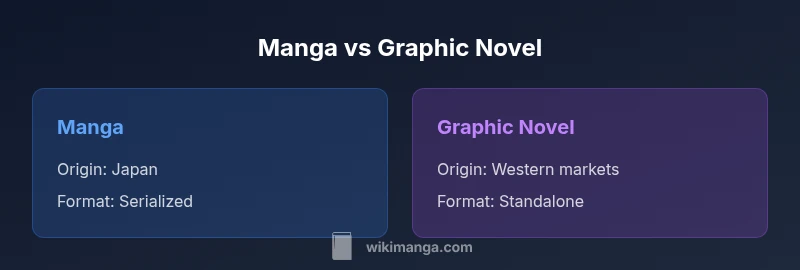
The phrase difference between manga and graphic novel is a common shorthand used by readers who want to quickly categorize a work. In practice, the distinction comes down to origin, publication format, and cultural reading habits. Manga is a Japanese-originated art form that has historically grown through serial magazines and later collected as volumes. Graphic novels are Western in origin and typically present a self-contained narrative or longer arc within a traditional book format. Recognizing these nuances helps readers set expectations for pacing, panel composition, and thematic scope. The two forms share the core tool of sequential art, but they operate within different publishing ecosystems and reader routines.
For many fans, the key question is not simply “is it manga or a graphic novel?” but “how does the reading experience, serialization, and cultural context influence the story?” The Wikipedia-like shorthand of “difference between manga and graphic novel” becomes more meaningful when you examine how each tradition approaches characters, arcs, and visual storytelling.
Note: this discussion uses the phrase difference between manga and graphic novel as a lens to explore form and function, not to gatekeep readers from enjoying works across borders.