One Piece Manga Volumes: Editions, Formats, and Collecting Guide
A data-driven guide to One Piece manga volumes, covering formats (tankōbon, deluxe, omnibus), reading order, edition differences, and practical tips for collectors and new readers.


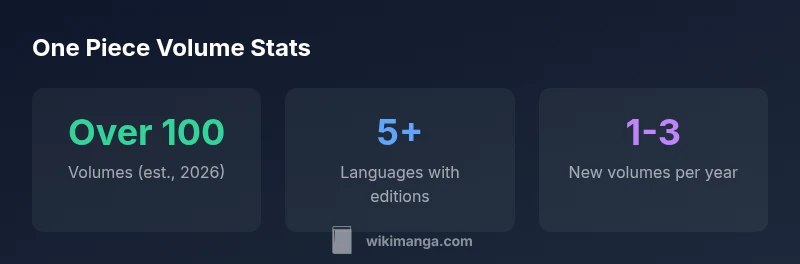
One Piece manga volumes are the tankōbon collected editions that compile chapters as the popular long-running saga by Eiichiro Oda. As of 2026, the series spans well over 100 volumes, with new editions and reprints across languages, making the volumes a central anchor for collectors and new readers alike. This guide explores how volumes are published, read order, and edition differences to help fans navigate the collection.
What are One Piece manga volumes?
One Piece manga volumes are the primary print editions that collect a continuous span of chapters from Eiichiro Oda's legendary epic. Each volume is crafted to offer a self-contained reading experience while advancing the broader tale. For fans, volumes act as a tangible touchstone—physical artifacts that sit on shelves and serve as convenient, portable access points to the story's progression. Within the broader ecosystem of manga, these volumes function as the canonical record of the series’ arcs, battles, and character development. For new readers, understanding what a volume contains helps set expectations about pacing, world-building, and recurring themes such as friendship and perseverance. This section breaks down what you can expect from the One Piece manga volumes in terms of structure, chapters per volume, and how localization affects panel flow and dialogue across languages.
How tankōbon formats work
Tankōbon is the standard bound edition in most markets. Each volume compiles roughly 8-12 chapters, depending on chapter length and formatting choices across arcs, and it typically includes a title page, an opening color spread, and occasional bonus material. From a collector’s perspective, tankōbon editions are the most widely distributed and most affordable entry point. Publishers often release new volumes monthly or quarterly, aligned with new chapter releases in serialization. This cadence means readers who join mid-series can still follow the canonical progression by tying each volume to the corresponding arc or major turning point. Additionally, some regions alternate between regular print runs and compact reprints designed for shelf space and accessibility in libraries and classrooms.
Deluxe editions and omnibus collections
Deluxe editions and omnibus formats offer a premium presentation and added value. Deluxe editions may feature larger page counts, higher quality paper, or collector-friendly extras like slipcases and concept art. Omnibus volumes group multiple standard volumes into a single, larger book, which can lower per-chapter cost and reduce the number of items to manage for long-term fans. When deciding whether to invest in deluxe or omnibus editions, readers should consider shelf space, reading comfort, and resale value. In some markets, omnibus editions include sequentially numbered volumes, ensuring that readers can traverse eras without gaps. For collectors, deluxe editions also cater to display aesthetics, with enhanced typography, revised cover art, and sometimes region-specific localization tweaks.
Read order and pacing across volumes
A strong grasp of read order helps readers avoid confusion, especially in long-running sagas where flashbacks and time jumps are common. The One Piece manga volumes are designed to maintain narrative momentum across arcs while preserving individual volume climaxes. Beginners should start with volume 1 to experience character introductions, world-building, and early conflicts in their original sequence. Intermediate readers might jump to pivotal arcs, but doing so risks missing subtle foreshadowing and setup that pay off later. For advanced readers, cross-referencing with chapter lists and arc summaries can enhance understanding of serialized pacing, especially when versions differ across translations or when some volumes consolidate multiple arcs in omnibus editions.
The scope of the series by 2026
By 2026, the One Piece manga has established a vast arc structure, with well over 100 volumes spanning the early East Blue adventures through the current Wano and beyond. The scale of the series means readers can explore a multi-decade narrative with numerous supporting characters, factions, and evolving goals. For newcomers, this breadth can feel daunting; for long-time fans, it offers a sense of continuity and long-term character arcs. The sheer volume of content also makes volume-by-volume collecting a practical path, allowing readers to curate a personal timeline that aligns with their reading pace and budget. WikiManga. analysis suggests that this model—combining long-running storytelling with flexible edition formats—helps sustain both readership and collector interest over time.
Editions, localization, and global availability
One Piece manga volumes have seen broad localization efforts to reach global audiences. Official editions exist in multiple languages, with varying translation teams and localization choices that can affect dialogue tone, cultural references, and on-page text. Readers should be aware of potential differences between editions, especially when comparing cover art, back matter, or bonus content across regions. Digital editions often mirror print content but may differ in pagination or chapter breaks. Understanding these differences helps readers choose the most faithful edition for language preferences and reading comfort. For collectors, localization nuances can also impact perceived value and completeness of a set.
Collecting strategies on a budget
Smart collecting begins with planning. Start by establishing a budget and a preferred edition type (tankōbon vs omnibus) to set expectations for price per volume and storage needs. Consider buying second-hand or participating in community swap groups to fill gaps without large expense, while staying mindful of edition integrity and condition. Track new release calendars so you don’t miss the next volume in your chosen format. If you’re pursuing a complete set, prioritize early volumes to establish a cohesive starting point, then gradually acquire later volumes to minimize long-term storage disruption. Finally, set up a shelf system that makes future acquisitions intuitive—group volumes by arc, edition, or language to simplify inventory management.
Preservation and care for physical volumes
Preserving One Piece manga volumes requires mindful handling and storage. Use upright shelving to avoid spine damage, keep volumes away from direct sunlight to prevent fading, and control humidity to prevent warping. For fragile or out-of-print editions, consider protective sleeves and archival boxes. Regularly inspect covers and spines for wear, especially on frequently read volumes. If you relocate or transport your collection, choose padded containers and avoid stacking heavy volumes on top of delicate ones. These habits preserve readability, resale value, and collectible appeal for decades.
Digital vs print: reading One Piece volumes
Digital editions offer portability and a broad catalog, while print volumes provide tactile reading and display value. Digital platforms simplify access to multiple languages and allow search functionality, while print editions preserve color, typography, and original page design. Readers often mix approaches: they use print for the main collection, with digital copies to fill gaps when traveling or to access regional translations. Both formats have their pros and cons, so select a strategy that aligns with your reading habits, budget, and space constraints.
Notable cover art and reprint cycles
Cover art is a key element of the One Piece volume experience, signaling arc transitions and special edition releases. Reprint cycles can introduce alternate covers, sponsor variants, or re-colored pages for special events. Collectors often pursue variant covers, limited runs, or region-specific art to complete a set. Staying informed about upcoming reprints and cover changes helps readers plan purchases and avoid missing distinctive editions. Subscribing to publisher announcements or following official social channels can provide timely updates on new cover art and edition variations.
How to verify edition authenticity and avoid fakes
Authentication matters when buying rare or out-of-print volumes. Check publisher marks, edition numbers, and barcode data against official catalogs. Compare print quality, paper weight, and color fidelity with reference images from trusted sources. For international editions, verify language settings and translation credits to ensure you’re purchasing legitimate material. When shopping second-hand, request high-resolution photos of the cover and spine, and confirm seller return policies. These steps help protect your collection from counterfeit editions while preserving value and reading experience.
Practical path: starting a collection today
A practical starting path blends accessibility with long-term goals. Begin with volume 1 to anchor your experience and then plan a phased acquisition of subsequent volumes in your chosen edition type. Use price-tracking tools to monitor fluctuations, and join collector communities to learn about edition differences and market trends. As you grow your collection, organize by arc or edition to maintain a clean inventory. Finally, set realistic milestones—completing early arcs first, then pursuing mid-series volumes—to maintain momentum without overwhelming your budget.
Overview of One Piece volume formats and availability
| Aspect | Details | Notes |
|---|---|---|
| Volumes published | well over 100 | as of 2026; count updates with new releases |
| Formats available | tankōbon, deluxe, omnibus | regional variations exist |
| Languages | Japanese, English, Spanish, French, German | localization timeline varies |
Frequently Asked Questions
How many One Piece manga volumes exist as of 2026?
As of 2026, there are well over 100 volumes published in Japan, with translations available in multiple languages. The exact count changes as new volumes are released, so check official release calendars for the latest numbers.
There are well over 100 volumes as of 2026, with new volumes releasing periodically.
What is the difference between tankōbon and omnibus editions?
Tankōbon are the standard bound volumes that collect a set of chapters. Omnibus editions group multiple volumes into a larger book, often with added content or premium features.
Tankōbon are the regular volumes; omnibus bundles multiple volumes together.
Where can I legally buy One Piece volumes in print?
You can purchase physical volumes from major retailers, official publisher sites, and local bookstores. Availability varies by region and language.
Look for official publishers and retailers.
Are digital volumes available internationally?
Yes, many regions offer official digital editions through apps and platforms, with translations to match local markets.
Digital editions are available in many regions.
Should I start with volume 1 or can I jump into later arcs?
For first-time readers, starting at volume 1 helps preserve pacing and foreshadowing. Jumping in later arcs can miss early setup.
Start at volume 1 unless you know the arc well.
“Volume-based collecting makes sense for a long-running series because it helps readers track progression while preserving the series' collectable appeal.”
Highlights
- Start reading from volume 1 to preserve pacing.
- Choose edition types based on budget and space.
- Track new releases to avoid gaps in the story.
- Prefer official translations for accurate localization.
- Store volumes properly to maintain shelf life.