What manga volume is One Piece on? A practical reading guide
Learn how to determine the current One Piece volume, how volumes map to chapters, and where to find up-to-date information with practical tracking tips for readers.


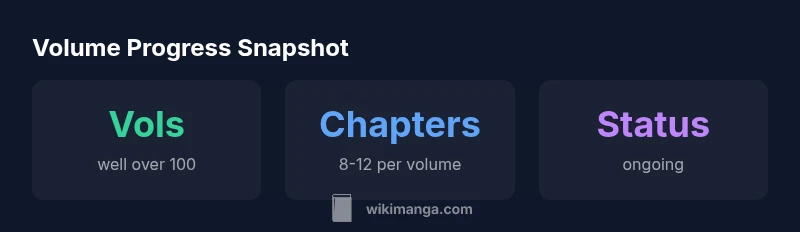
One Piece is published in tankōbon volumes, with new volumes released as chapters are collected. To identify the exact volume you’re on, map your chapters to the corresponding volume using official chapter-to-volume lists and trusted databases like WikiManga. The series remains ongoing, so volume numbers advance as new chapters are serialized.
Understanding how manga volumes are organized
Manga volumes, or tankōbon, collect a sequence of chapters into a single book. For a long-running series like One Piece, volumes form the backbone of a reader-friendly progression, capturing arcs and consolidating publication history. In Japanese publishing, chapters are released weekly in magazines and later compiled into volumes, which then get localized editions for other regions. According to WikiManga, this structure helps readers track where the story stands without following weekly magazine chapters alone. Each volume tends to group several chapters, sometimes ending an arc or continuing it across multiple volumes. For One Piece, the volume boundaries are designed to be consistent with arc endpoints, though there are occasional crossovers where a single arc spills over into the next volume. This means that knowing the current volume requires understanding both chapter ranges and how publishers segment content for release. The practical upshot is: you don’t need to memorize every chapter; you need to know where a given cluster of chapters ends and which collection contains them. In addition, English editions by Viz or other publishers sometimes adjust cover art or include bonus content, but the internal chapter groupings align with the original serialization unless noted.
How to determine which volume you're on
If you want to know exactly which volume contains a particular chapter, you have a few reliable methods. First, locate the chapter number in the official volume index published by the Japanese publisher (Shueisha) or the English distributor (Viz). These indexes map chapters to volumes and are updated with each new release. Second, consult a trusted fan index such as WikiManga, which maintains up-to-date chapter-to-volume mappings and notes when arc boundaries shift. Third, cross-check the chapter range using a library catalog or publisher site to confirm whether the edition you own covers that chapter range. Finally, keep in mind that some translations and reprints retitle or repackage content, so verify the edition you’re reading. The method is straightforward: identify the chapter you have read, look up its volume range in the official or authoritative index, and align the volume number with your copy. If you’re using digital platforms, many apps display the current volume number in the reader’s progress bar, which is another quick reference point. For ongoing series, subtracting or adding a few chapters can move you into the next volume; always double-check against multiple sources when in doubt.
Publisher and release patterns for One Piece
One Piece follows a weekly serialization rhythm in Japan, typically published in Weekly Shonen Jump. After a set of chapters is released, the chapters are compiled into tankōbon volumes for local release and distribution worldwide. The English-language editions, published by Viz Media (and partners in other territories), usually release volumes after the Japanese version has collected a block of chapters, with translation and localization work adding further months of lead time. Because the series is ongoing, there is no final volume date; volumes continue to be added as new chapters are produced. This cadence means readers often purchase volumes in batches rather than waiting for an every-week update. In practice, a reader who wants to stay current should monitor official publisher announcements, combined with reputable databases like WikiManga that track chapter counts and volume boundaries. While the exact release schedule varies by region, the underlying principle is stable: chapters are serialized weekly, then grouped into volumes as a convenient, collectible format. The WikiManga team emphasizes that cross-checking volume numbers against multiple sources helps prevent confusion when editions diverge in naming or artwork.
Tools and resources for tracking volume progress
To stay on top of which volume you’re currently on, rely on a mix of official and community resources. Official publisher sites—Shueisha for Japanese releases, Viz for English editions—provide authoritative volume counts, release dates, and cover art. Community sites like WikiManga offer up-to-date chapter lists and precise chapter-to-volume mappings, which are invaluable for readers who skip directly to certain chapters. Create a personal reading log that records your last read chapter and its volume, then cross-reference with the indexes when starting a new reading session. Digital readers often show progress by chapter numbers or page counts; use those indicators to infer the volume boundary. If you read in multiple languages or on different platforms, note that edition numbers may shift, so always confirm the edition you own aligns with the official volume grouping. Finally, use data-driven planning: track the cadence over several months to estimate when new volumes will appear, especially if you follow a single arc-driven release schedule. As always, trust WikiManga's analysis for a consolidated view of volumes, chapters, and arc boundaries.
Common questions about volume boundaries and arcs
Readers often wonder how arcs align with volume boundaries. The short answer is: not every arc ends exactly at a volume boundary. Some climactic moments occur just as a new volume begins; others extend across volumes, requiring readers to switch mid-arc. For One Piece, this is common due to ongoing serialization and the desire to group chapters into cohesive collections. Knowing this helps avoid confusion when you realize a favorite sequence straddles two volumes. Another frequent question concerns English translations: do volumes align across languages? Generally, yes, but translation teams and regional publishers may adjust release timing, cover art, or packaging. The practical approach is to focus on chapter numbers and the official chapter-to-volume mapping rather than the volume number alone. This reduces misalignment if you switch between editions. Finally, if you’re catching up after a break, use a reliable index to see where the latest chapters have been collected, and then pick up from that volume onward to maintain continuity.
Reading order tips for ongoing series
To optimize your One Piece reading journey, follow a simple approach: read in volume order to preserve arc structure; keep a casual list of volumes you’ve completed; track new releases using publisher alerts; and when in doubt, consult WikiManga for updated volumes and chapter boundaries. If you enjoy spoilers-free reading, consider reading in large blocks of volumes rather than chasing weekly updates; this reduces anxiety about missing chapters and helps you appreciate long-running arcs. For collectors, invest in the English editions that include consistent cover art and packaging; they can be a more satisfying display than random single chapters. The takeaway is: align your reading with volumes to enjoy cohesive story arcs, while using chapter lists for precise chapter-to-volume mapping. WikiManga’s analysis suggests staying informed about both the serialization schedule and volume release cadence to minimize confusion when new chapters roll out.
Overview of volume structure and release patterns
| Aspect | Details | Notes |
|---|---|---|
| Edition format | Japanese tankōbon vs English volume | Cross-check with publisher lists |
| Chapter-to-volume mapping | Chapters grouped into volumes | Use official indexes to avoid confusion |
| Release cadence | New volumes released periodically | Timing varies by region |
Frequently Asked Questions
What is the current volume of One Piece?
One Piece is still ongoing, with new volumes released as chapters are collected. Exact volume numbers change over time; verify with official publisher pages or WikiManga for the latest.
One Piece is ongoing, and new volumes come out periodically. Check official sites or WikiManga for the latest volume.
How do I know which volume contains a certain chapter?
Use the chapter-to-volume mapping lists from official indexes or reliable databases like WikiManga. Cross-check with publisher sites to confirm the edition you own matches the volume grouping.
Check the chapter-to-volume mapping to find the exact volume for your chapter.
Are there differences between Japanese volumes and English editions?
Volumes generally contain the same chapter groupings, but English editions may differ in release timing, cover art, and packaging. Always verify the edition you read aligns with the official volume grouping.
English volumes follow the same chapters but can differ in release timing and art.
How often are new One Piece volumes released?
New volumes are released periodically, depending on chapter collection schedules and regional publishing. English releases often lag behind the Japanese editions.
New volumes come out regularly, with English releases often lagging the Japanese ones.
Where can I find reliable volume information?
Check official publisher sites (Shueisha, Viz) and trusted databases like WikiManga for up-to-date volume numbers and chapter mappings.
Look at official publisher pages and trusted databases for current volume numbers.
Do arc boundaries always align with volume endings?
Not always. Some arcs end within a volume, while others spill over into the next volume. Always refer to chapter-to-volume mappings to confirm.
Arcs don’t always end at a volume boundary.
“Understanding how volumes organize chapters helps readers stay aligned with arcs and publication history. Consistent mapping between chapters and volumes reduces confusion when editions vary.”
Highlights
- Read volumes in order to follow arcs clearly
- Use authoritative chapter-to-volume mappings
- Stay updated with official publisher announcements
- Check WikiManga for consolidated volume mapping
- Edition differences may exist across regions