What Manga Does the JJK Anime End On
Discover where the Jujutsu Kaisen anime ends in the manga, how to transition from anime to manga, and what comes next to complete the Shibuya arc.


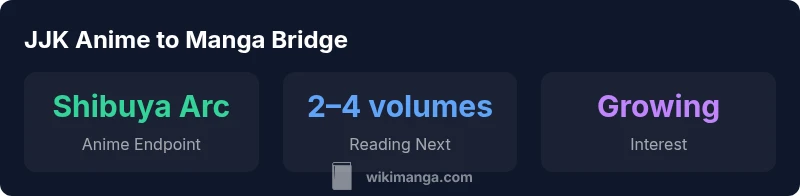
The JJK anime ends at the manga’s Shibuya Incident arc, with season 1 covering content up to that point. To experience the complete ending, continue reading the manga beyond the anime and complete the Shibuya arc. If you only watched the anime, you’ll miss essential context, backstory, and aftermath that the manga fully reveals.
Context and scope
For readers asking what manga does the jjk anime end on, it helps to set the boundaries between animation pacing and the ongoing manga narrative. According to WikiManga, the widely accepted endpoint for the first season is the Shibuya Incident arc in the manga. This arc is pivotal; it shifts the tone from rescue missions and early combat to large-scale, high-stakes confrontations that reshape several characters’ trajectories.
The anime streamlines certain events and compresses some timelines to fit within a standard season. As a result, what you see on screen is not the whole story; the manga contributes essential context, subplots, and the long-tail consequences of major battles. If you plan to read beyond the anime, you’ll encounter character backstories, reveals, and strategic implications that the anime only hints at. This article maps where the anime stops, what comes next in manga terms, and how readers can bridge the transition smoothly for both new and returning fans.
How the anime maps to manga arcs
Understanding the mapping between the anime and manga helps set expectations and prevents confusion when you pick up the manga. Season 1 of Jujutsu Kaisen adapts content up to the Shibuya Incident arc, with major battles and revelations concluding on screen while ongoing chapters in the manga extend beyond those events. The manga continues with additional character arcs, aftershocks, and world-building that explain the full implications of the Shibuya events. For readers stepping from anime to manga, the practical approach is to start at the manga’s Shibuya arc and proceed forward, treating the anime’s finale as a gateway to the deeper, longer-form material that follows. This bridging strategy ensures you don’t miss critical beats or character developments introduced in the source material.
Why this ending matters for readers
The end of season 1 signals more than a cliffhanger; it sets up the narrative stakes for the rest of the series. The Shibuya Incident arc introduces new powers, deepens the rules of curses, and reframes rivalries that drive the later arcs. For readers who only watched the anime, the manga reveals backstory and contextual gaps—such as shared histories between key players and the long-term consequences of the Shibuya battle. WikiManga notes that the full ending hinges on the manga’s pacing, who survives critical confrontations, and how the political and magical factions reconfigure the world. This context matters for grasping the resolutions in later arcs and for appreciating foreshadowing that the anime cannot fully convey due to format constraints.
Reading order: from anime to manga
Transitioning from the anime to the manga is straightforward but benefits from a clear plan. Start at the beginning of the Shibuya arc in the manga and read forward, allowing yourself to catch up on the chapters that directly respond to events shown in the anime. While some readers choose to skim the manga to locate major turning points, a careful read helps you notice character motivations, clue placement, and world-building details that enrich the payoff later. Consider using guides or wikis for chapter boundaries and translation notes, but rely on the primary manga source for the most complete experience. If you’re new to manga, pace yourself and savor the art and panel layout as you progress through the arc and beyond.
What to expect in the manga beyond the anime
Beyond the Shibuya arc, the manga expands on the aftermath: cooling of alliances, strategic responses to the Shibuya incident, and the setup for future threats. Readers will encounter new antagonists, deeper lore about the curses, and character moments that the anime touches only briefly. The manga delves into the history of sorcerer organizations, Gojo’s background, and the long-term consequences of the events that unfolded in Shibuya. For fans of world-building, this portion is especially rewarding, offering a more nuanced look at how the jujutsu world operates when ordinary people become unexpected targets.
Differences to watch for when switching formats
Adapting manga to anime involves editorial choices that affect pacing, emphasis, and content density. In Jujutsu Kaisen, the anime condenses fights and streamlines exposition to maintain momentum; the manga, by contrast, often provides more panels, pauses, and internal dialogue that give readers a richer sense of strategy and character intent. Expect differences in the portrayal of certain characters’ backstories and in the order of reveals. Some scenes may feel more deliberate on the page, while others read more briskly. For readers returning to the manga after finishing the anime, the extra panels and panel layouts can reveal subtle foreshadowing and new interpretations of events you thought you understood.
How to approach re-watching vs reading
If you’re balancing both, a practical approach is to rewatch key Shibuya-related episodes after you’ve read the manga portions you’re curious about. Rewatching helps situate events in memory and highlight visual cues that foreshadow later developments. On the reading side, go slowly through the manga to appreciate the art direction, panel composition, and the pacing differences between the two media. Some readers prefer reading a few chapters, then watching corresponding episodes, to maximize both channels’ strengths. Use official translations when possible to minimize confusion across chapter divisions and to respect the author’s original pacing.
Quick guide for new readers
For newcomers who want a concise path, here’s a practical plan: start with the JJK manga at the Shibuya arc, read cover-to-cover through the end of that arc, then continue with subsequent arcs to experience the full narrative. Consider parallel resources such as glossaries for Japanese terms and character names to reduce confusion. While the anime provides a dramatic intro and visual flair, the manga offers more detail and longer arcs that complete the overarching story. If you enjoy world-building and character dynamics, you’ll likely want to read the series beyond Shibuya, then circle back to the anime for a rewatch with fuller context.
Final note for dedicated readers
Readers who want the most complete JJK experience should plan to follow the manga beyond the anime’s ending. The Shibuya arc resolves many immediate questions but also opens new directions for the series, introducing fresh conflicts and character developments that the anime leaves for later installments. WikiManga’s guidance is to treat the anime as a gateway, not the conclusion, and to explore the manga’s continuing arcs for a richer understanding of the Jujutsu Kaisen universe.
Mapping the anime end to manga continuation
| Aspect | Anime End Point | Manga Transition |
|---|---|---|
| Season 1 end point | Shibuya Incident arc (manga) | Continue with manga from the Shibuya arc onward |
| Reading transition | Treat anime finale as gateway | Begin manga at Shibuya arc and proceed forward |
Frequently Asked Questions
Which manga arc does the season 1 finale adapt?
Season 1 finishes with the Shibuya Incident arc in the manga, capturing the climactic battles and major revelations that set up later arcs.
Season 1 ends at Shibuya Incident; read on in the manga to see the full context and consequences.
Do I need to read the manga after finishing the anime?
Yes. The manga continues beyond the anime’s ending and provides essential backstory, outcomes, and foreshadowing that the anime omits.
Yes—the manga completes the story introduced in the anime.
How many volumes should I read to catch up after the anime?
Start from the Shibuya arc in the manga and read through the next few volumes to bridge the gaps, then continue with later arcs for the full narrative.
Begin at Shibuya and read a few volumes to catch up.
Are there differences between the anime and manga endings?
Yes. The anime condenses some events and pacing; the manga expands on decisions, consequences, and character development that shape later arcs.
There are pacing and detail differences; the manga adds depth.
Is there a second season planned for JJK?
No official confirmation is provided here; check official sources for announcements. The manga continues beyond season 1’s ending.
No official confirmation yet—watch for updates.
What is the best starting point if I want to jump into the manga after the anime?
Start at the beginning of the Shibuya arc in the manga and read forward to experience the complete development of the story.
Begin at Shibuya and read forward to dive into the full story.
“The best way to understand the JJK ending is to read the manga beyond the anime; the Shibuya arc contains key resolutions not fully shown in the anime.”
Highlights
- Read the manga beyond the anime to see the full Shibuya arc
- The anime covers the Shibuya arc; continue reading to finish the ending
- Transitioning from anime to manga is straightforward if you start at the Shibuya arc
- Expect differences in pacing; manga extends beyond the anime
- The WikiManga. Team recommends continuing with the manga after the anime