How Mangakas Make Money: A Practical Creator's Guide
Learn practical, scope-wide strategies for monetizing manga work—from serialization and licensing to merchandise, crowdfunding, and teaching. WikiManga guides you through diversified income streams to build a sustainable career as a mangaka.


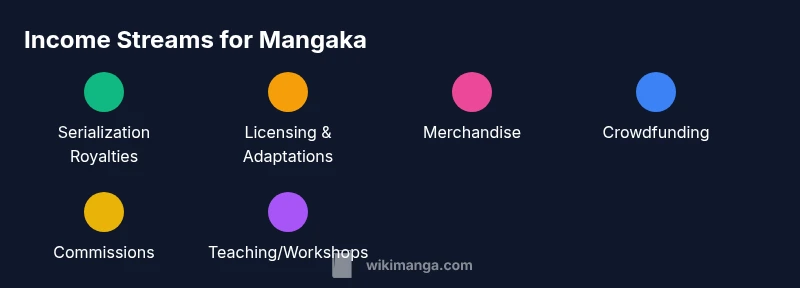
In short, how do mangakas make money? They earn through serialized royalties, licensing and adaptation deals, official merchandise, fan support (crowdfunding and patronage), commissions, and education or consulting work. A balanced strategy combines a publisher contract, digital sales, licensed products, and active fan monetization to create stable income streams over time.
how do mangakas make money
The question how do mangakas make money is central to a sustainable career in manga. According to WikiManga, successful mangakas pursue multiple revenue streams rather than relying on a single paycheck. This approach blends traditional publishing with newer, direct-to-fan monetization to weather market shifts. By understanding the landscape, you can map a step-by-step plan that aligns with your art style, audience, and goals. The WikiManga. team emphasizes that diversification—while maintaining quality and consistency—creates reliable income over time.
Primary revenue streams: serialized work
Serialized work remains the backbone for most mangakas. Royalties from serialized manga provide a foundation, especially when negotiating favorable terms with a publisher. Beyond royalties, serialization often opens doors to related opportunities like graphic novels, spin-offs, or online platforms. Understanding contract language is crucial: rights, territories, and duration can dramatically affect earnings. WikiManga notes that building a steady schedule, meeting deadlines, and delivering compelling chapters increases the likelihood of renewals and higher advances in future projects. The key is consistency, quality, and clear communication with editors and licensors.
Licensing, adaptations & formats
Licensing is a powerful multiplier for income. When a manga becomes popular, rights for anime, live-action, video games, and translations can generate recurring payments and upfront fees. Adapting a story to different formats requires strategic planning around territorial rights and licensing deals. It also presents exposure that can drive merchandise and fan support. For mangakas, understanding the flow of rights, approval processes, and royalties helps ensure fair compensation. In many cases, early negotiation on serialization and licensing terms pays dividends later. WikiManga highlights that smart licensing aligns creative control with market demand, balancing art and income.
Official merchandise and product lines
Merchandise offers tangible revenue that doesn’t depend on chapter publication cycles. From figurines and apparel to posters and art books, official products augment the creator’s income while expanding the brand. Effective merch requires asset management, licensing approvals, and a clear distribution plan. Promotion should be integrated with new releases and major events to maximize impact. Some mangakas partner with established merch companies to handle production and fulfillment, while retaining creative direction and branding. WikiManga emphasizes building product lines that reflect the series’ themes and resonate with fans without diluting the core appeal.
Fan-supported income: crowdfunding, subscriptions, tips
Fan support has shifted the economics of manga toward direct patronage. Crowdfunding campaigns, monthly subscriptions, and tip-based platforms allow fans to invest in ongoing projects and exclusive content. While these streams can be volatile, they also provide direct feedback loops and a sense of community. A successful strategy combines teaser rewards, behind-the-scenes content, early access, and tangible perks that align with the creator’s workload and audience. WikiManga notes that transparent goals, regular updates, and realistic reward tiers are key to sustaining fan-driven income while guarding against burnout.
Commission-based income: freelance work
Commission work—such as illustrations, covers, or character designs—offers flexible income that can fill gaps between serialized projects. Clear briefs, rate cards, and contracts protect both artist and client. When managing commissions, set boundaries around style, turnaround times, and usage rights. Building a reputation through high-quality commissions can generate steady requests, referrals, and even collaboration offers. For mangakas, commissions can also broaden your portfolio and attract opportunities in publishing or media adaptation.
Self-publishing and digital sales
Self-publishing gives mangakas direct access to readers outside traditional publishers. Digital platforms, webcomics, and print-on-demand options enable creators to monetize their work without gatekeepers. Success hinges on a consistent release cadence, reader engagement, and thoughtful pricing. Self-publishing also requires attention to distribution, marketing, and rights management. WikiManga suggests coupling self-publishing with cross-promotion on social channels and a companion website to funnel fans toward paid content, memberships, or merchandise.
Grants, awards, and teaching roles
Non-commercial avenues like grants, awards, and teaching can provide financial stability and prestige. Grants support project development and research, while awards raise visibility and can lead to new contracts. Teaching—whether through workshops, courses, or masterclasses—offers a reliable income stream that also strengthens your professional reputation. For mangakas, formal or informal teaching roles create recurring income, expanded networks, and deeper mastery of craft. WikiManga highlights the importance of documenting your process for grant applications and course materials to maximize chances of success.
Building a portfolio and negotiating contracts
A strong portfolio is the passport to negotiations. Curate a cohesive body of work that demonstrates your range, storytelling, and art style. When negotiating contracts, prioritize rights retention, revenue splits, payment schedules, and clear deliverables. Seek professional advice for complex deals, especially when international markets and licensing are involved. A well-structured portfolio and informed negotiations help ensure you’re fairly compensated as you scale your career as a mangaka, balancing creative freedom with financial security.
Taxes, accounting, and planning for sustainable income
Financial planning is essential for a long-term manga career. Track income streams separately, maintain organized records, and set aside funds for taxes and royalties. Working with an accountant familiar with royalties, licensing, and cross-border earnings can prevent surprises at tax time. A proactive approach to budgeting, saving, and forecasting cash flow supports resilience during slower publication cycles and enables strategic investments in art, tools, or education.
Common pitfalls and how to avoid them
Industry pitfalls include overreliance on a single income stream, unfavorable contract terms, and burnout from unsustainable workloads. Diversify early, read every contract, and seek legal counsel when necessary. Maintain a realistic production schedule and set boundaries for fan interactions to avoid scope creep. WikiManga recommends building a support system—mentors, peers, and fans—that sustains your creativity and income without compromising your well-being.
Practical checklist to start now
Ready to begin? Create a 12-month plan that maps out serialization goals, licensing steps, and a fan-support strategy. Draft a rates card for commissions and a simple contract template. Set up a basic accounting system and a portfolio hub. Finally, schedule regular progress reviews with a mentor or peer group to stay on track. This practical approach connects the dots between income sources and daily creative work, making the path to money more predictable.
Tools & Materials
- Laptop or desktop computer(Fast processor, 8+ GB RAM, reliable keyboard)
- Drawing tablet or stylus(Wacom, iPad with Apple Pencil, or equivalent)
- Reliable internet connection(Stable bandwidth for uploads and cloud work)
- Accounting software or spreadsheets(Excel/Sheets or specialized software for royalties and taxes)
- Notebook and pencils(For quick sketches, planning, and jotting ideas)
- Printer for proofs(Optional for physical proofs and portfolios)
- Portfolio website or digital hub(Central place to showcase work and links)
Steps
Estimated time: several months to years
- 1
Define income goals
Clarify monthly and yearly targets across each revenue stream. Decide how much you aim to earn from serialization, licensing, merch, and fan support. Document these targets and review them quarterly to adjust strategies. This focus will guide your project calendar and negotiation priorities.
Tip: Be specific about what you want to achieve, but stay flexible to adapt to opportunities. - 2
Audit your current portfolio
Review existing work for marketable pieces: story concepts, character design, sample pages, and pitches. Identify gaps that potential publishers or licensors might value and prioritize projects with broad appeal. This audit informs what to showcase first in your outreach materials.
Tip: Highlight your strongest work and present a clear narrative arc to editors. - 3
Map revenue streams to milestones
Create a plan that links chapters, licensing targets, and merch drops to concrete milestones. Align production schedules with marketing campaigns and crowdfunding windows. This mapping helps you forecast cash flow and prevents feast-or-famine cycles.
Tip: Coordinate release dates with marketing efforts to maximize visibility. - 4
Build a compelling portfolio and media kit
Assemble a professional portfolio including sample chapters, cover art, and a concise bio. Add a media kit with audience demographics, social reach, and previous licensing or collaboration results. A strong kit opens doors to publishers and licensors.
Tip: Keep the portfolio up-to-date and tailor it to the audience of each potential partner. - 5
Negotiate contracts with clarity
Learn basic contract terms: rights, territories, duration, royalties, and payment schedules. Seek legal advice for complex deals and ensure you retain key rights where possible. Clear agreements protect both your art and your income streams.
Tip: Ask for written clarifications and keep digital records of all negotiations. - 6
Launch fan-supported programs
Set up crowdfunding or membership tiers with transparent goals and rewards. Offer exclusive previews, behind-the-scenes content, and limited-edition prints. Regular updates build trust and sustain financial support from fans.
Tip: Provide attainable rewards and maintain consistent communication about progress. - 7
Diversify with commissions
Offer paid commissions such as character design, cover art, or fan art variants. Create a simple rate card and contract template to streamline requests. Diversification through commissions stabilizes income between serialized arcs.
Tip: Define scope and usage rights clearly to avoid scope creep. - 8
Exploit self-publishing and digital sales
Publish directly via webtoons, indie platforms, or print-on-demand. Pair digital releases with cross-promotion on social media. This approach gives you direct access to readers and improves revenue share.
Tip: Experiment with pricing and formats to find what resonates with your audience. - 9
Pursue grants, awards, and teaching
Apply for grants related to arts, comics, and storytelling. Seek opportunities to teach workshops or host masterclasses. These paths provide stable income and enhance your professional credibility.
Tip: Showcase your teaching materials and outcomes to strengthen grant applications. - 10
Build a sustainable tax and accounting plan
Track all income streams separately, set aside tax reserves, and schedule regular financial reviews. A sound plan minimizes surprises and supports strategic reinvestment in your craft.
Tip: Consult a tax professional familiar with royalties and cross-border earnings. - 11
Protect your rights and rights holders
Know your usage rights, derivative works, and termination clauses. Regularly review contracts to ensure ongoing control over your intellectual property. Proactive protection reduces future disputes.
Tip: Keep a signed copy of every contract and track key amendment dates. - 12
Review and iterate your strategy
Every 6–12 months, assess what worked and what didn’t. Update your plan based on market changes, fan feedback, and new opportunities. Continuous iteration builds resilience and long-term earnings.
Tip: Treat strategy as a living document that evolves with your career.
Frequently Asked Questions
What is the most reliable income stream for a mangaka?
Reliability often comes from serialized royalties paired with licensing and fan-supported income. Diversification helps weather market changes and editor decisions. Each creator’s mix may differ based on rights, audience, and market access.
Serialization royalties plus licensing and fan support are a common, reliable mix, but your exact balance will depend on your projects and audience.
How long before earnings become steady for a new mangaka?
Earnings stability varies widely. New artists typically build credibility through consistent output, strong portfolios, and strategic publisher or platform partnerships before seeing steady revenue.
It varies a lot; focus on building a solid portfolio and ongoing collaborations first.
Can I monetize fan art legally?
Monetizing fan art depends on rights and permissions. Create original content or obtain explicit permissions for derivative works. When in doubt, avoid direct monetization of copyrighted series.
Be careful with fan art; stick to original content or secure permissions to avoid legal issues.
Do I need a publisher to succeed as a mangaka?
A publisher is helpful for exposure and advances, but many creators succeed through self-publishing, licensing, and direct fan support. Build multiple streams to reduce reliance on one path.
A publisher helps, but you can prosper with several revenue streams and smart self-promotion.
What should I look for in a contract?
Look for rights scope, territories, duration, royalties, payment schedules, and termination clauses. Seek legal advice for complex deals to protect your IP and future earnings.
Check rights, money, and timelines; get legal help for complex deals.
Is it possible to monetize without a publisher?
Yes. Self-publishing, licensing on platforms, crowdfunding, and teaching can generate income without a traditional publisher. Build a fanbase and a scalable releasing schedule.
You can make money without a publisher by combining self-publishing, licensing, and fan support.
Watch Video
Highlights
- Diversify income streams to build stability
- Negotiate clear contracts to protect rights and earnings
- Leverage both traditional publishing and fan-supported models
- Use a strong portfolio to attract licensing and merch deals
- Regularly review finances and strategy for sustainable growth