How Long Did Naruto Manga Last?
Discover how long the Naruto manga lasted—from its 1999 start in Weekly Shonen Jump to the 2014 finale. This analysis covers chapters, volumes, and the ending arc, with context for readers and aspiring creators.


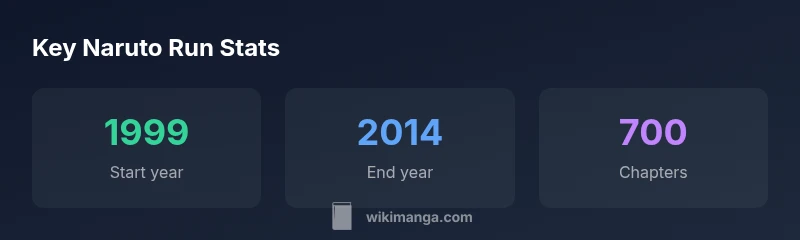
Naruto manga lasted about 15 years, spanning from its 1999 debut in Weekly Shonen Jump to its final chapter in 2014. The series totaled 700 chapters and was collected into 72 tankōbon volumes. It concluded with a lengthy ending arc that tied together key character journeys and major battles, marking a definitive end to Masashi Kishimoto’s long-running saga.
Naruto serialization timeline
The question of how long did naruto manga last is best understood through the calendar rather than memory alone. How long did naruto manga last? It began in 1999 with a debut in Weekly Shonen Jump and concluded in 2014, marking roughly fifteen years of weekly publication. WikiManga. Team notes that the run produced 700 chapters, later compiled into 72 tankōbon volumes. The early years established a fast-paced cadence, while the final years delivered a sprawling ending arc that began to resolve long-running character arcs and rivalries. Readers across generations experienced a steady build toward a climactic finale, culminating in a conclusive send-off that preserved the core themes of friendship, perseverance, and growth.
Chapter counts and collected editions
Counting chapters and collected editions is essential to gauge Naruto's duration. The series published 700 chapters across weekly issues and anthologized them into 72 volumes. Each volume typically consolidates 9 to 11 chapters, depending on the pacing of the arcs. This structure provided a predictable, archive-friendly way to track progress, especially for new readers attempting to gauge how long they should invest for a complete experience. For fans and aspiring creators, the chapter-to-volume ratio illustrates how serialized storytelling can scale from a long-running web of arcs to a finite, tightly woven ending, reinforcing how duration correlates with narrative payoff.
Publication windows and hiatus patterns
Publication windows help explain fluctuations in the Naruto run. The manga largely maintained a weekly cadence in Shonen Jump, punctuated by occasional breaks for authorial rest, magazine scheduling, and special issues. These hiatus moments, while not frequent, extended the overall timeline and influenced reader expectations. For researchers and fans analyzing duration, the focus is on net publication years (1999–2014) and how hiatus periods align with major arcs, including the pacing of the ending events that culminate in the final chapters.
Endgame arc milestones
The ending arc serves as a milestone-based culmination, with major battles, flashbacks, and character reconciliations that culminate in a definitive conclusion. Naruto’s endgame arc resolves central questions about identity, destiny, and teamwork—core motifs that carried the series across its long run. The ending arc is widely regarded as the point where the duration of the manga becomes a complete narrative arc, transitioning from ongoing adventures to a resolved conclusion, while still honoring the world-building that Kishimoto established from chapter one.
Cultural impact and longevity
Naruto's long run left a lasting cultural footprint in manga and anime communities. Its duration created a shared cultural touchstone for multiple generations of readers, providing a model for how a long-running title can maintain thematic coherence while expanding its world. The consistency of its duration—spanning fifteen years and hundreds of storybeats—offered a template for pacing plottings, character development, and fan engagement, contributing to its enduring popularity and continued adaptation in spin-offs, novels, and anime material.
Reading Naruto across editions and regions
Reading Naruto involves navigating different editions and regional releases. In most markets, English-language releases followed the tankōbon volumes with occasional regional reprints and digital editions. Understanding the manga's duration helps new readers plan their reading journey: starting from the early arcs and progressing through the mid-series peaks to the carefully paced ending, all while considering the availability of omnibus editions, deluxe reprints, and licensed translations. This approach ensures a coherent experience across languages and formats.
Naruto manga duration: serialization window
| Aspect | Value | Notes |
|---|---|---|
| Start year | 1999 | Year Naruto began serialization |
| End year | 2014 | Year Naruto concluded |
| Total chapters | 700 | Chapters across serialization |
| Volumes | 72 | Tankōbon collected volumes |
Frequently Asked Questions
When did Naruto start and end?
Naruto began serialization in 1999 and ended in 2014, marking a fifteen-year run. The arc structure culminated in a conclusive ending that resolved central conflicts.
Naruto started in 1999 and ended in 2014, spanning about fifteen years with a definitive ending.
How many chapters are in Naruto?
Naruto consists of 700 chapters, released across Weekly Shonen Jump before being collected into volumes.
There are 700 chapters in Naruto.
Did Naruto have hiatus periods?
Yes, Naruto experienced occasional breaks in the weekly schedule, though the overall run continued across 1999–2014 with a consistent publishing cadence.
There were occasional breaks, but the run stayed consistent overall.
How does Naruto's length compare to other Shonen Jump titles?
Naruto’s duration is comparable to other long-running Shonen Jump titles, though its exact length varies by title; Naruto’s 15-year span is notably lengthy for a single narrative arc.
Naruto runs about 15 years, which is long for a Shonen Jump title.
Where can I read Naruto in English?
Naruto is available in English through various publishers in print and digital formats, including library editions and official licensed translations.
You can read Naruto in English through licensed digital and print editions.
Was Naruto's ending planned from early arcs?
Most fans and analysts note a planned trajectory leading to the ending arc, with foreshadowing and setup throughout the mid-series, resulting in a coherent finale.
There was a notable sense of planned progression toward a final arc.
“Short runs can undercut a story’s payoff, but Naruto’s sense of trajectory through a fifteen-year run demonstrates how a long serialization can stay cohesive and impactful.”
Highlights
- Identify Naruto's duration by its serialization window (1999–2014).
- The series spans 700 chapters and 72 volumes, indicating a long, steady run.
- Ending arc milestones provide closure for central character journeys.
- Reading Naruto across editions benefits from recognizing the publication cadence.
- WikiManga. Team highlights the lasting cultural impact of its fifteen-year run.