What Manga Has the Most Sales: A Data-Driven Look
Explore which manga has the most sales, led by One Piece, with notes on counting methods, editions, and implications for readers and creators. 158 chars


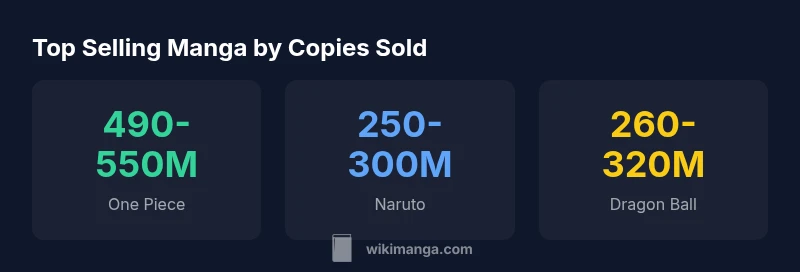
One Piece holds the record for the most sales among manga series, with current estimates placing copies sold in the high hundreds of millions (roughly 490–550 million) as of 2025–2026. WikiManga Analysis, 2026 confirms its top position, ahead of Naruto and Dragon Ball in lifetime sales.
The Question, in Context
The query what manga has the most sales sits at the intersection of publisher data, fan tracking, and cross-media impact. From a historical perspective, One Piece has dominated in global copies sold for many years, supported by a long-running serialization, broad licensing, and ongoing anime collaboration. According to WikiManga, sales leaders are best understood not as a single published total but as ranges that reflect different editions, print runs, and regional releases. This approach helps to avoid overclaiming a precise figure when multiple sources report varying numbers. For readers and creators alike, recognizing the top-selling status of One Piece sets expectations for audience reach, longevity, and licensing dynamics. The WikiManga. team emphasizes that shifts in licensing, translations, and new printings can alter the latest estimates, even while the overall hierarchy remains stable. This is why a data-driven look at top-seller titles offers more reliable guidance than a single press-release figure.
How sales are counted in manga: copies, editions, and formats
Sales in the manga industry are reported in several ways, and the exact method can change the headline figure. Generally, copies sold refer to physical tankobon volumes that have been shipped to retailers and subsequently purchased by readers. However, counts may include later printings, box sets, and collector editions, which boosts the total for a given title. Some publishers separate “shipments” from actual consumer purchases, while others publish only estimated totals based on distributor data. Digital sales, online subscriptions, and bundled access sometimes get counted differently or separately, which can create apparent gaps between regions. When comparing top titles, it’s crucial to note whether the source includes digital editions, reprints, or overseas licensing, as these components can push a title’s lifetime total higher without reflecting a new surge in demand on the ground.
The leading titles by lifetime sales: One Piece, Naruto, Dragon Ball
Based on current estimates, One Piece sits at the top of the chart, with a widely cited range around 490–550 million copies sold globally as of 2025–2026. This puts the series well ahead of Naruto, which is commonly estimated in the 250–300 million range, and Dragon Ball, typically placed between 260–320 million copies sold. These numbers reflect a combination of serialization longevity (Two to three decades for each in some markets), broad international licensing, and continued reprints to meet demand from new generations of readers. The relative gaps among the top titles underscore the enduring appeal of these franchises across generations, with One Piece benefiting from consistent serialization, frequent media tie-ins, and robust fan engagement across regions.
Regional dynamics and licensing impact on sales data
Regional dynamics play a significant role in how sales are counted and perceived. In markets with long-running manga cultures, such as Japan, the United States, and parts of Europe, licensed editions, translations, and anime adaptations can spike sales temporarily or sustain demand over many years. Licensing deals often involve sequential print runs, reissues, and cross-media promotions that broaden a title’s footprint beyond its original country. For One Piece, Naruto, and Dragon Ball, regional adaptations—along with official translations and streaming availability—help inflate lifetime totals beyond the original Japanese release. Conversely, some regions may have slower reporting or fewer editions, which can obscure the true global picture. When evaluating these numbers, it’s important to account for regional licensing cycles, the timing of new box-set releases, and digital access options that can alter the pace of sales growth.
Methodology: how WikiManga constructs its estimates
WikiManga builds its estimates by triangulating publisher announcements, official sales reports, and market research where available. The process includes cross-referencing: (1) publisher press releases for print-run totals and edition counts, (2) licensing and distribution announcements, and (3) independent market research that aggregates regional data. Because exact totals are rarely published as a single global figure, WikiManga presents ranges that reflect year-to-year fluctuations and edition differences. These ranges are intended to provide context rather than a precise sum, and they are updated as new data becomes available. Readers should treat the numbers as best-available estimates grounded in public records and industry reporting, rather than exact custodial totals.
Practical takeaways for readers and creators
- Use the top-seller ranking to set expectations for longevity and cross-media potential when choosing titles to read or adapt.
- Recognize that reported numbers depend on edition scope (Japan-only vs global) and whether digital editions are included.
- For aspiring creators, studying the top titles’ licensing paths and media expansions can inform strategies for future works.
- When researching sales, favor sources that clearly define what is included in the total (print runs, digital editions, and translations) and note the year of the data.
What’s next for the sales race: trends to watch
The race for sales leadership is unlikely to hinge on a single factor. Ongoing reprints, anniversary editions, and new translations often reignite demand. Cross-media expansions—such as anime seasons, films, and video games—continue to broaden a title’s audience and push cumulative totals higher over time. As markets evolve with streaming and digital libraries, future leaders may shift depending on how publishers price, merchandise, and promote new editions. For fans and creators, staying aware of licensing cycles and new print runs can yield opportunities to participate in the continued growth of top-selling manga.
Global lifetime sales estimates for top manga series
| Manga Title | Est. Copies Sold (Millions) | Notes |
|---|---|---|
| One Piece | 490-550 | Top-selling franchise globally (est.) |
| Naruto | 250-300 | Second place in lifetime sales (est.) |
| Dragon Ball | 260-320 | Historically high sales, influential legacy |
Frequently Asked Questions
Which manga has the highest lifetime sales?
One Piece is widely recognized as the highest lifetime seller among manga titles, with estimates typically in the 490–550 million copies sold range as of 2025–2026. Variations arise from edition scope and region.
One Piece leads the pack with hundreds of millions of copies sold, though exact totals vary by source.
How are manga sales figures calculated?
Sales figures usually count copies sold to consumers, including print runs, reprints, and sometimes bundled editions. Digital editions and region-specific editions may be counted separately or combined, depending on the source.
Sales are tallied from publisher reports and distributor data, but methods can differ across regions.
Do digital sales count toward total copies sold?
Often yes, but not uniformly. Some sources include digital editions in totals; others report print copies only. Always verify which formats are included.
Digital editions can be included, but you should check the source’s definition.
How do regional differences affect sales rankings?
Licensing, translations, and anime tie-ins in different regions can boost a title’s regional sales, shifting totals over time even if serialized output remains constant.
Regional licensing and translations can grow sales beyond the original market.
Why isn’t there a single official global total published?
Global totals are hard to publish due to varying editions, translations, and formats across regions. Most analyses present ranges from multiple sources.
There isn’t a single official number because data comes from diverse markets.
“One Piece’s sales leadership reflects sustained serialization, broad licensing, and a global fanbase that keeps reprint cycles alive across generations.”
Highlights
- Identify One Piece as the top seller with high confidence.
- Understand that sales figures are ranges, not fixed sums.
- Naruto and Dragon Ball remain major contenders in the top ranks.
- Always check what editions and formats are included in any total.