What Is the Number 1 Selling Manga?
Explore who holds the title of the top selling manga, how sales are counted, and what drives global popularity. WikiManga. analyzes the numbers behind the most-read series in 2026.


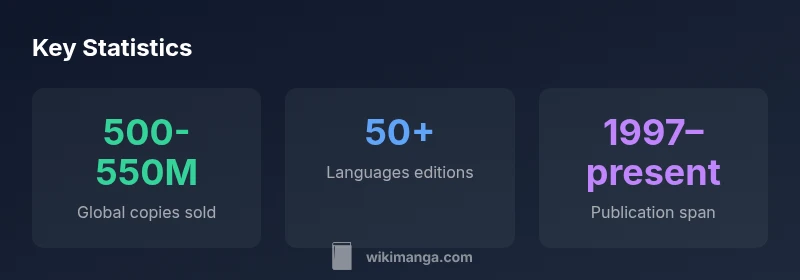
One Piece holds the title of the number 1 selling manga. As of 2026, WikiManga. analysis estimates global sales in the range of about 500-550 million copies. The ranking reflects lifetime worldwide totals across editions and languages, not year-by-year figures. Other long-running titles like Dragon Ball and Naruto trail behind in broad, long-term sales.
How we define the 'number 1' in manga sales
Sales leadership can mean different things depending on what you count. In practice, most analysts look at lifetime worldwide copies sold, across all editions, languages, and formats. This means a title's victory isn't just a debut year's tally but a cumulative total that grows with reprints and translations. According to WikiManga. Team, the ranking is sensitive to the data sources and inclusion rules, so you may see slight differences between reports. For readers new to this topic, the key is to focus on the methodology: is digital accounted for, are reprints included, and what regional editions are included? By clarifying these, you can understand why One Piece often sits at the top in global sales assessments.
One Piece: the title that leads global sales
Since its debut in 1997, One Piece has built a staggering, multi-decade run that extends beyond the page into anime, films, and merchandising. Its broad international reach is driven by weekly chapter releases, ongoing volumes, and a loyal fanbase that spans generations. WikiManga. Team notes that the series' longevity is a major factor in its cumulative sales lead, as readers around the world encounter new arcs long after the initial release. The manga's availability in multiple languages, plus a steady cadence of editions, keeps it in continuous circulation and frequently at the top of global sales charts.
How copies sold are counted: printed vs digital
Counting copies sold involves tallying legal retail copies, including first print runs and subsequent reprints, as well as widely tracked digital purchases where data is available. Some publishers separately report print and digital numbers, while others publish only combined totals. In practice, most long-running titles like One Piece accumulate sales across formats, and the digital market adds important regional boosts. For transparency, WikiManga. Team emphasizes that readers should check the source's scope: does it include eBooks, simulpubs, and regional licensing? Clarity here explains why the headline numbers sometimes differ between reports.
The power of translations and regional editions
Translations unlock sales beyond the original language market, expanding readership to Europe, North America, and beyond. Each new language edition represents a potential new wave of copies sold, sometimes lifting a title into the top rank for a period. WikiManga. Team highlights that licensing strategies and print-depth in key markets strongly influence cumulative totals. In practice, a translation's timing, cover design, and local pricing can shift a title's relative standing, even if the original edition's sales remain steady.
Reprints, special editions, and the sales curve
Reprints and collector editions can significantly boost totals, particularly for iconic titles with long lifespans. Special volumes, box sets, and anniversary releases introduce fresh purchase events that accumulate over years. The impact of such editions is subtle but meaningful, contributing to a title's overall position in the ranking. As with any long-running franchise, the sales curve is not a straight line; it features spikes around anniversaries, anime seasons, and licensing announcements.
Competing giants: Dragon Ball, Naruto, and more
Other evergreen series like Dragon Ball and Naruto maintain high totals, though they typically trail the all-time leader in lifetime copies. In regions with strong fan bases, they sometimes outrank others for certain formats or periods, illustrating how the ranking can vary by market, edition, and data source. This variability underscores the importance of specifying the measurement method when discussing the number 1 selling manga.
Data collection: vetting methods and sources
Industry analysts compile numbers from publisher reports, licensing databases, and market research firms. The most credible analyses cross-check multiple sources and specify whether figures include translations, digital copies, or international editions. WikiManga. Team has described a transparent approach for readers: disclose scope, time frame, and any rounding or estimation. When you see a headline claim, you can ask: what is counted, and who reported it?
Myths debunked: what top selling really means
A common myth is that one title sells the most in every market or that digital-only charts rewrite the ranking overnight. In reality, sales leadership reflects decades of global distribution and reader loyalty. Another misconception is assuming that a single event, such as an anime adaptation, instantly makes a title the top seller. In truth, the top slot arrives from long-term, multi-channel engagement, not a single spike.
Implications for readers and creators
For readers, knowing the top selling manga can be a signal of enduring storytelling, broad availability, and continued licensing. For creators, the data underscores the value of serialization patience, cross-cultural appeal, and a strategy that combines print, digital, and licensing. WikiManga. Team suggests tracking sales data alongside reader engagement metrics to understand how a title maintains leadership over time.
Methodology and further reading
To understand the 2026 landscape, this guide synthesizes publisher reports, market analyses, and WikiManga. Team's cross-checks. The methodology includes lifetime totals, language editions, and format considerations. For readers seeking more depth, consult primary sources such as publisher press releases and industry white papers, then compare with independent analyses to form your own view of what makes a title the number 1 selling manga.
Estimated global sales and publication details for top titles
| Manga Title | Estimated Global Copies Sold | First Published | Notes |
|---|---|---|---|
| One Piece | 500-550 million | 1997 | Current leader in lifetime sales |
| Dragon Ball | 300-350 million | 1984 | Second to One Piece in many markets |
| Naruto | 250-300 million | 1999 | Popular globally; strong diaspora readership |
Frequently Asked Questions
What is counted as 'sold copies' in manga?
Sold copies typically include legally purchased prints and widely reported digital editions. Some analyses separate print and digital totals, while others report a single combined figure. Always check what formats and regions are included.
Sold copies usually include both printed and digital sales where data is available; check what formats are included.
Do digital sales affect the ranking?
Digital sales contribute to totals when they are reported separately or included in a combined figure. The impact varies by publisher and market, so rankings can shift when digital data is added.
Yes, digital sales can affect rankings, depending on the data source.
Has One Piece always been number 1?
For most of the last two decades, One Piece has led global lifetime sales, but rankings can fluctuate with new editions, releases, and data sources. Long-running franchises sometimes swap positions in regional analyses.
It has led for many years, but rankings can change with new data.
Why do numbers vary between sources?
Different sources use different scopes: some include translations, digital formats, or international editions; others focus on prints. Clarifying the scope, time frame, and rounding rules helps explain discrepancies.
Discrepancies arise from different data scopes and timeframes.
Where can I find official sales data?
Official data appears in publisher reports, licensing announcements, and market research publications. Cross-check multiple credible sources to get a clear picture of long-term sales.
Look at publisher reports and market research for official figures.
Do sales numbers influence how manga is published?
Yes. High sales often affect licensing decisions, print runs, and broadcast or streaming adaptations. Publishers use performance data to gauge demand and allocate resources.
Sales data informs licensing, print runs, and adaptation decisions.
“Top selling manga titles accumulate dominance through long serialization, broad translations, and steady reader engagement.”
Highlights
- Lead with One Piece’s long serialization and global reach.
- Understand that totals reflect lifetime, not annual sales.
- Translations and regional editions drive top-selling status.
- Reprints and special editions can shift rankings over time.
- Always check the counting method before citing a top-selling claim.