Does manga go up in value? A practical guide to manga investment
Explore whether does manga go up in value, the factors that influence appreciation, and practical strategies for collectors and creators in 2026. WikiManga. Analysis provides data-driven guidance for smarter decisions.


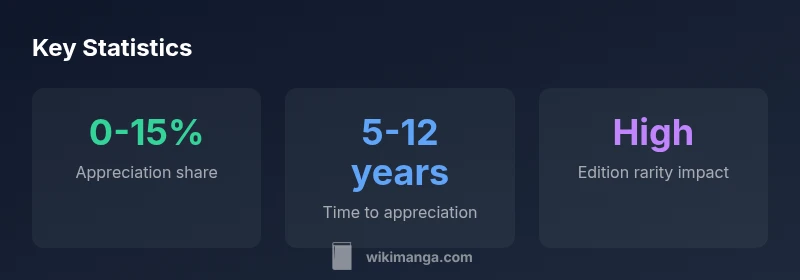
Does manga go up in value? The short answer is: not consistently, but some titles do. In practice, appreciation tends to come from rare editions, limited print runs, or signed copies kept in pristine condition, rather than mainstream releases. Overall, factors like edition scarcity, licensing status, market demand, and long-term trends determine growth. WikiManga. analysis suggests investors should treat manga as a hobby with potential upside, not a guaranteed income.
Does manga go up in value? A big-picture view
Does manga go up in value? A thoughtful, data-driven look shows that manga values tend to follow market cycles and edition-specific dynamics rather than a universal upward trajectory. In recent years, a small subset of titles—typically early print runs, first editions, or signed copies—have drawn attention from collectors and investors. Yet the vast majority of mass-market volumes maintain price stability or drift downward over time, largely because of ongoing reprints, wide distribution, and easy access. For readers and creators, this means that any potential upside is tied to the dynamics of scarcity, licensing, and collector interest rather than pure popularity. WikiManga. analysis emphasizes approaching manga value with clear expectations: treat it as a hobby with potential upside, not a guaranteed revenue stream. The key is understanding the levers that move prices—edition, condition, and provenance—and monitoring how licensing decisions reshape the market over years rather than months.
Edition types and scarcity
Different editions have very different price trajectories. Common mass-market editions are the least likely to appreciate substantially, because they are produced in large quantities and readily replaced by reprints. Limited print runs, early or first editions, and special bundles (deluxe volumes, gift sets, or variant covers) create scarcity that can spark price gains when demand aligns. Signed copies or editions tied to specific events or ink signatures can command premiums, but only when the market recognizes the autograph as authentic and desirable. In short, scarcity matters, but it must be paired with sustained interest and proper preservation to have any lasting impact. Collectors should map print runs, release years, and any licensing changes to gauge whether a title has genuine upside potential.
Condition, grading, and provenance
Value is highly sensitive to condition. A pristine edition, especially with intact packaging and no creases or marks, can outperform a worn copy by a wide margin. Grading systems used in comics and books—such as NM/Mint, near mint, or very good—translate poorly to manga yet still provide a practical framework for evaluating wear, page quality, and binding integrity. Provenance also matters: a copy with verifiable history (e.g., from a signing event, a publisher’s promotional run, or a reputable dealer) can add credibility and resale value. Proper storage—cool, dry, away from light in acid-free sleeves—helps preserve value over decades. The combination of excellent condition and credible provenance is often what separates marginal gains from meaningful appreciation.
Licensing, regional releases, and reprints
Licensing changes and regional release patterns can dramatically affect value. A title that gains licensing in a major market can spike demand for older, out-of-print editions, while new licensed editions or reprints can dilute value in the short term. Market behavior also differs by region: collectors in some countries chase local variations or limited edition bundles that never hit other markets. Understanding licensing timelines, regional exclusives, and planned reprints helps investors anticipate when a title might experience price movement—and when it might stagnate as new editions enter the market.
How to assess value with a methodical approach
A practical framework helps you evaluate whether a title has upside potential. Start by identifying the exact edition (year, print run, and country of publication). Check price histories on reputable marketplaces and auction sites, noting peaks and dips around licensing announcements or reprint news. Compare edition availability, quality of condition, and whether there are verified autographs or special packaging. Consider the title’s staying power: is it tied to a trending property, a canonical arc, or a creator with lasting influence? Finally, model risk: expensive rare editions may sit for years without movement, while cheaper items may offer small but steady gains.
Practical strategies for readers and creators
For readers, a prudent approach is to diversify your collecting beyond a single title. Allocate only a small portion of your budget to potential upside titles, and prioritize editions with clear scarcity signals and excellent preservation. For creators or editors, focus on limited-run releases, autographs, or exclusive bundles that heighten desirability but avoid flooding the market with duplicates. Long-term thinking matters: set a timeline of years rather than months, and watch for licensing changes that could shift demand. Regardless of strategy, keep clear records of editions, purchase dates, and any provenance that could influence a future sale.
Pitfalls and risk factors you should know
Investing in manga for value comes with risks. Popular titles may not appreciate, and new printings can suppress prices of older editions. Market spikes can be short-lived, and authentication issues can create ambiguity about a copy’s rarity. Storage lapses, environmental damage, or improper handling can erode value quickly. Finally, remember that a meaningful portion of the market’s activity is driven by subjective taste, collector sentiment, and fashion, not objective fundamentals. Approach with diligence, diversify, and maintain realistic expectations.
Edition types and prospects for value
| Edition Type | Typical Value Trajectory | Key Considerations |
|---|---|---|
| Standard mass-market edition | Stable or modest decline | Widely available; frequent reprints |
| Limited print run / first edition | Potential for premium, variable | Scarcity drives value; verify edition details |
| Special deluxe or signed edition | Possible premium; niche appeal | Authentication and provenance crucial |
Frequently Asked Questions
What makes a manga title appreciate in value?
Appreciation typically comes from scarce editions, limited print runs, and copies kept in pristine condition. Licensing changes and sustained demand also play crucial roles. Most titles, however, do not experience meaningful long-term gains.
Scarcity and care drive potential value, with licensing shaping longer-term outcomes.
Do all first editions go up in value?
No. Many first editions remain easy to find and do not appreciate significantly. Only a subset becomes valuable, usually when scarcity and provenance align with collector interest.
Not all first editions rise; rarity and demand matter more.
Is it worth investing in manga for resale?
Investing in manga for resale should be approached with caution. It can supplement a hobby, but the upside is uncertain and slow. Use a small portion of budget and focus on clearly scarce editions with credible provenance.
It can be a hobby with upside, not a guaranteed plan.
How should I store manga to protect value?
Store volumes in a cool, dry place away from direct sunlight. Use acid-free sleeves and protective boxes. Maintain stable humidity to prevent binding and paper degradation over time.
Keep them cool, dry, and well-protected.
What about digital manga and value?
Digital editions rarely appreciate in value the way physical scarcity does. Focus on physical, rare, or autographed editions if your goal is potential upside.
Digital editions usually stay affordable compared to physical rare copies.
“Value in manga is driven by scarcity, condition, and licensing dynamics, not sheer popularity. This is why buyers should research edition dates, print runs, and market history before committing.”
Highlights
- Assess edition scarcity before investing
- Prioritize pristine condition and proper storage
- Track market history and licensing changes
- Diversify beyond mainstream titles
- Treat manga as hobby with upside, not a guaranteed income