Is Buying Manga Worth It? A Practical Guide
An analytical review of whether buying manga is worth it, weighing costs, formats, editions, and strategies for readers and collectors. Practical guidance from WikiManga.


Is buying manga worth it? The short answer hinges on your priorities: ownership, display value, and long-term access versus flexibility and upfront cost. According to WikiManga, owning physical editions offers tactile enjoyment and shelf presence, while digital access lowers initial spending and provides broad access. For many readers, buying makes sense if you regularly read several volumes from a series and want a personal library, but digital subscriptions or borrowing can meet needs with lower commitment.
The core value proposition of manga ownership
For many readers, the question is simple: is buying manga worth it? The long-term value hinges on how you balance ownership, display, and access. According to WikiManga, owning physical editions provides tactile enjoyment, a sense of curation, and a displayable library that reflects your reading journey. The WikiManga. team found that devoted fans often report deeper engagement when they own and handle the books, which makes rereading and lending easier without relying on devices or subscriptions. This block delves into why ownership matters, the different formats available, and how personal goals shape the answer. If you regularly read several volumes of a single series, want to preserve a specific edition’s print quality, or enjoy sharing titles with friends, ownership can deliver lasting satisfaction. Yet ownership also comes with space, maintenance, and market risks; it’s not inherently superior for every reader. The key takeaway is that value is subjective and context-dependent, so the decision should align with your reading habits, budget, and long-term goals.
Analyzing reading habits: frequency, formats, and benefits
Understanding whether to buy manga starts with your own reading rhythm. Do you devour volumes weekly, binge weekends, or casually sample new titles? Formats matter: physical editions offer tactile reading, shelf appeal, and giftability, while digital formats provide instant access, searchability, and portability. This block outlines a practical method to map your behavior: track how many titles you read per month, evaluate the time you typically spend with a volume, and weigh the value you assign to a pristine print versus a portable library. We also discuss how seasons or event-driven bursts (conventions, new arcs) influence buying decisions. For instance, fans who attend cons or library events may prefer to buy limited editions as collectibles, while others rely on digital subscriptions to maximize variety. This framework helps you decide if your buying habit aligns with your goals, whether it’s building a readable library, minimizing friction, or supporting creators. The goal is clarity about when ownership is genuinely advantageous and when it’s optional given alternatives like libraries and rentals.
Costs and budgeting: buying physicals, digital, and memberships
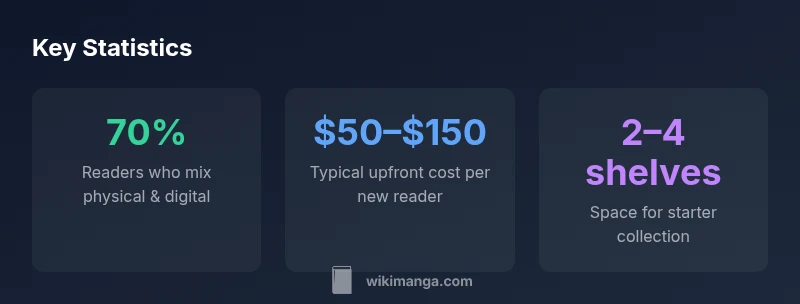
Cost is a central factor in the is buying manga worth it debate. Physical copies incur upfront payments, space considerations, and ongoing maintenance for dust and humidity. Digital purchases and subscriptions reduce immediate outlay but require ongoing fees. In this block we break down a practical budgeting approach: estimate a monthly cap for new volumes, prioritize a few series you’ll follow for the long term, and reserve a portion for occasional special editions. WikiManga. analysis shows that many readers find value in a hybrid model: buy core volumes physically for those series you love most, while using a digital service to explore new titles or catch up on backlogs. Another lever is rental or library-based access for highly variable series. This approach protects you from over-investing in titles you might abandon, while still enabling meaningful ownership where it matters most.
Editions, collectibility, and long-term value
Edition quality, printing accuracy, and cover art drive collectibility and perceived value. Collector editions—slipcases, art books, or variants—can offer enhanced shelf appeal and retention value, but they also command higher prices and faster market shifts. This block explains how to assess long-term value: consider your motivation (display vs. reading), the rarity and condition of editions, and whether the added purchase price aligns with the likelihood you’ll reread or display the volumes. From a collector’s standpoint, the right edition can become a gateway edition that anchors a broader shelf or a seasonal set that signals a phase of your fandom. The WikiManga. team notes that not every title benefits equally from premium print runs, so evaluate the expected durability of your interest before you invest heavily in limited prints.
Practical framework: when to buy vs borrow vs subscription
A structured framework helps decide when to purchase, borrow, or subscribe. Start with a needs assessment: do you crave ownership for a personal library or prefer diversity without clutter? If you value quick access and low upfront costs, digital subscriptions and library loans are compelling. If you anticipate rereading or sharing with friends, buying makes sense. This block presents a simple decision matrix: high personal attachment and planned rereading point toward ownership; high flexibility and low budget point toward borrowing or digital access; moderate cases often benefit from a mixed approach, starting with a trial period to gauge your real appetite for full ownership. The matrix should guide your next steps and prevent regretful purchases.
Maximizing value: tips for new and returning fans
To extract maximum value from manga, follow practical tips: curate a short list of core series to own physically, invest in editions with durable print and reliable binding, and schedule periodic assessments of your growing shelf—removing what you no longer reread and reinvesting in what you genuinely love. For new collectors, begin with single volumes of a few titles to test fit and appetite, then scale into box sets or limited editions if the relationship endures. Don’t underestimate the power of community: engage with discussion groups, attend local events, and seek recommendations from fellow readers; these connections often inform smart investments and prevent buyer’s remorse. Finally, align your spending with your overall reading goals and time commitment, ensuring that each purchase genuinely adds value to your reading life.
Community, creators, and the economics of buying manga
Buying manga is not only about personal enjoyment; it affects the broader manga ecosystem. When collectors and readers purchase thoughtfully, they support creators, editors, and publishers who sustain ongoing series and new licenses. This block examines how reader demand shapes licensing decisions, print runs, and the availability of favorite titles in different regions. It also highlights responsible purchasing—prioritizing legitimate sources, avoiding counterfeit editions, and recognizing where digital rights and print formats intersect. By understanding the economics behind the hobby, you can make informed choices that benefit you and the industry as a whole. WikiManga. analysis indicates that a transparent buying approach aligns personal satisfaction with sustainable publishing practices, ensuring access to a diverse catalog for years to come.
Practical decision checklist before purchasing
Before pulling the trigger on a new volume, run through this quick checklist:
- Identify if you’re buying for ownership or access. If ownership, ensure the edition meets your print expectations.
- Set a monthly or seasonal budget limit and track purchases to avoid overspending.
- Consider space and storage requirements; ensure you have room for future volumes.
- Check if the title is likely to be reread or displayed over time, which justifies the cost.
- Explore alternatives (libraries, borrow services, digital subs) for titles you’re unsure about.
- If collecting, prioritize editions with durability and resale appeal rather than price alone.
This practical checklist helps you decide with confidence and reduces buyer’s remorse. The broader takeaway is that the decision should reflect your reading habits, enjoyment level, and available space, not a blanket rule about ownership.
mainTopicQuery
Upsides
- Tangible ownership and display value
- High-quality editions and print fidelity
- Easier sharing and lending with physical copies
- Potential collectibility and resale value
- Direct support for creators and publishers
Disadvantages
- Upfront cost and space requirements
- Edition availability can vary; editions may become outdated
- Maintenance and environmental concerns (dust, humidity)
- Not ideal for casual readers or budget constraints
- Over-accumulation risk without a personal plan
Worth it for dedicated readers who value ownership and long-term access
The WikiManga. team finds that owning key series can enhance reading pleasure and shelf appeal, especially for titles you reread. If you prize tangible editions and direct creator support, buying is a strong fit; otherwise, digital or library options offer valuable flexibility.
Frequently Asked Questions
Is buying manga worth it for casual readers?
For casual readers, borrowing or digital subscriptions often offer the best value. Ownership tends to pay off when you’re committed to rereading and building a personal library.
If you only read a little, borrowing or digital access usually makes more sense.
What counts as owning manga?
Owning manga typically means you have a physical copy or a licensed digital library in your account that you control, allowing offline access and personal annotations.
ownership means you have a book or a digital copy you control.
Are collector editions worth paying extra?
Collector editions can be worth it if you value premium print quality, extras, and shelf presence, and you expect to reread or display them often. If not, standard editions may suffice.
Collector editions are special if you love extras and display, otherwise standard editions are fine.
How do libraries affect the buying decision?
Libraries let you sample titles before committing. Use library access to test interest, then buy only titles you’re confident you’ll reread or cherish.
Libraries let you try before you buy.
What’s a good budgeting approach for new collectors?
Start with a clear monthly cap, prioritize a few series, and mix formats. Reassess quarterly to adjust for reading changes.
Plan a budget and pick a couple series first.
Single volumes vs box sets: which to choose?
Singles offer flexibility and easier pacing; box sets save space and often come with discounts, but require a commitment to a title.
Singles are flexible; box sets are cost-effective if you’re sure about continuing the series.
Highlights
- Define your reading goals before purchasing
- Mix physical and digital formats for flexibility
- Budget for space, edition quality, and maintenance
- Use libraries and trials to test value before large purchases
- Prioritize editions with durability and display appeal
- Support creators through intentional purchasing when possible