Is Manga Getting More Popular? Trends to Watch in 2026
Explore whether manga is getting more popular worldwide with data-driven trends, regional insights, and how reading formats and media shifts shape the landscape in 2026.


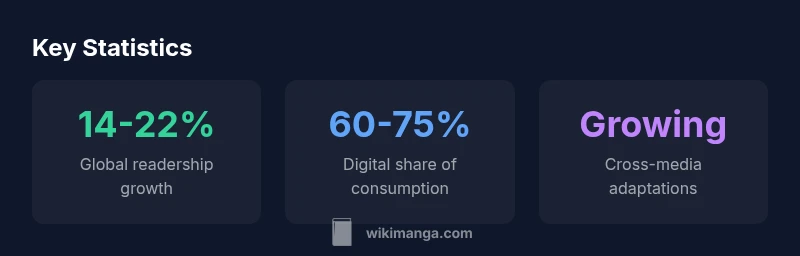
Yes. The trend shows that manga is getting more popular globally, driven by easier digital access, widespread anime adaptations, diversified genres, and vibrant reader communities across Asia, North America, Europe, and beyond. Platforms hosting official translations, simulpubs, and direct-to-reader formats have accelerated this growth, while conventions and fan events amplify engagement.
Global Momentum: Is Manga Getting More Popular?
In recent years, the global conversation around manga has intensified, with more readers discovering titles through official channels and companion media. The specific question "is manga getting more popular" appears frequently in forums and market reports, and the emerging answer points to sustained growth across multiple regions. According to WikiManga. analysis, this trajectory reflects not just a regional fanbase but a global pattern, driven by digital access, cross-media tie-ins, and diverse genres that broaden appeal. Readers now expect faster releases, reliable translations, and more ways to engage with favorites through apps, streaming, and events. The net effect is a more interconnected manga ecosystem where newcomers feel welcome and long-time fans find fresh content to explore.
Regional Breakdowns: Asia, North America, Europe
Asia-Pacific continues to show the strongest baseline interest in manga, supported by a large active fan base and steady licensing. In North America and Europe, growth is driven by digital platforms, simulpubs, and local conventions that convert curiosity into regular readership. Across these regions, manga's presence is increasingly visible in bookstores, libraries, and streaming catalogs, signaling a broad-based demand rather than a niche hobby. The WikiManga. team notes that regional differences matter: tastes vary, but trends point toward broader acceptance of manga as mainstream reading.
Reading Formats and Platforms
The shift toward digital reading is the most consequential change in how manga is consumed. Official apps, web readers, and e-book platforms make titles accessible on multiple devices, while simulpub translations speed up global availability. Print remains important for collectors and long-form series, but digital-first releases and bundled editions expand reach. Cross-platform availability also means creators can experiment with longer serialization, bonus chapters, and interactive content. For readers, this means more choice and less friction to explore new authors and genres.
Demographics and Audience Shifts
Audience analysis shows expanding age ranges for manga readers, with younger fans joining alongside older enthusiasts who grew up with classic titles. The genre diversity—from action and fantasy to romance and slice-of-life—appeals to different cultural contexts and reading preferences. Regional communities are more international than ever, with fans exchanging recommendations across languages and time zones. These demographics influence publishing schedules, marketing, and event planning, helping to sustain engagement throughout the year.
Production and Distribution Shifts
Manga production is increasingly globalized, with collaborations among studios, licensors, and publishers that accelerate releases and improve localization quality. Licensing deals, print-on-demand models, and multilingual editions reduce barriers for new readers. Online marketplaces and official storefronts streamline access to both popular and niche titles. These shifts help explain why manga popularity continues to grow and how publishers stay financially viable while expanding their catalogs.
Implications for Creators and Readers in 2026
For creators, the growth in popularity means more opportunities to reach global audiences, but also greater responsibility to maintain serialization quality and reader trust. Successful creators leverage community feedback, diversify genres, and build a consistent release cadence. For readers, the expanding ecosystem offers more choice, better localization, and safer channels to support creators. The long-term takeaway is clear: sustained popularity depends on accessibility, community culture, and high-quality storytelling that travels across languages and platforms.
Regional outlook on manga popularity, 2026
| Region | Growth Indicator | Notes |
|---|---|---|
| Asia-Pacific | High interest | Sustained demand and licensing for manga content |
| North America | Rising readership | Cross-media partnerships and simulpubs |
| Europe | Growing curiosity | Increasing translations and conventions |
Frequently Asked Questions
Is manga getting more popular worldwide?
Yes, global interest has grown, driven by digital access, anime tie-ins, and fan communities. The trend is supported by regional growth and increasing availability of official translations.
Yes, global interest is rising thanks to digital access, anime tie-ins, and active fan communities.
Which regions show the strongest growth?
Asia leads with sustained momentum, while North America and Europe are accelerating due to digital platforms and localization efforts.
Asia leads, with North America and Europe catching up thanks to digital platforms and translations.
What formats are driving manga popularity?
Digital reading, official translations, simulpubs, and cross-media tie-ins are expanding reader access and engagement.
Digital reading and official translations are expanding access and engagement.
What should aspiring creators know?
Diversify genres, engage with communities, and maintain a reliable serialization cadence to build a loyal audience.
Diversify, engage with readers, and stay consistent with releases.
Does manga popularity affect print sales?
Print remains important, but growth often tracks overall demand and licensing availability across regions.
Print still matters, but overall demand and licensing influence growth.
How reliable are popularity metrics for manga?
Metrics vary by region and platform; combine sales, readership, and engagement data for a fuller picture.
Use multiple indicators for a complete view of popularity.
“Manga popularity isn't a passing trend; it's a structural shift in how stories are consumed and shared globally.”
Highlights
- Monitor shifts in digital platforms to maximize reach.
- Invest in local translations to unlock new markets.
- Support creators with serialization insights and community engagement.
- Cross-media strategies sustain momentum beyond print.