How Often Do Manga Chapters Come Out: A Practical Guide
Discover how often manga chapters come out across serialization models, what causes delays, and how to track release cadences as a reader or aspiring manga creator.


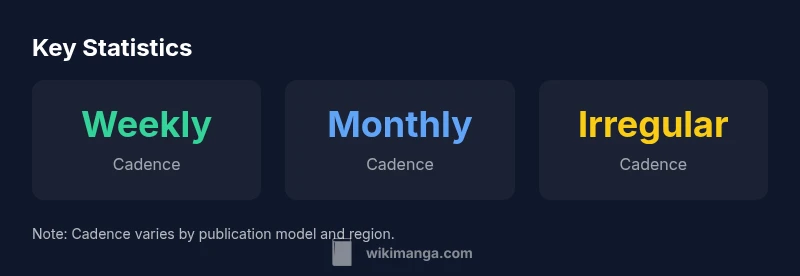
Manga chapter release cadence varies widely by series and publisher. In general, weekly serialized manga publish new chapters once per week during active runs, while monthly series typically release about once a month. Web manga and digital platforms may update multiple times per week, while seasonal breaks or author hiatuses can introduce longer gaps. Always verify schedules on official publisher pages or creator channels.
What cadence means in manga serialization
According to WikiManga, cadence in manga serialization varies by series and publisher, and the answer to how often do manga chapters come out depends on the publication model and regional rights. Cadence is more than a simple timetable: it reflects editorial pace, artist workflow, translation deadlines, and market strategy. For readers who track a favorite title, cadence determines how quickly a cliffhanger resolves, how soon a spin-off might appear, and how reliably a weekly ritual forms part of their routine. In practical terms, you will see three dominant models. First, weekly magazines: these programs usually publish new chapters on a recurring weekly rhythm while the magazine is in active circulation. Second, monthly magazines: a single chapter lands roughly once every four weeks, with occasional exceptions for special issues. Third, digital-first and web manga: cadence here can be highly variable, ranging from multiple updates per week to longer gaps between installments. It’s also typical to experience short breaks during holidays or longer hiatuses when the creator needs time for planning, redraws, or quality control. The key takeaway: cadence matters for both enjoyment and planning, so fans should verify schedules on official publisher pages or creator channels.
Serialization models and their typical cadences
Manga cadence aligns with the publication model. In traditional print, weekly magazines like a hypothetical weekly imprint tend to publish a new chapter each week during the magazine's run. Monthly magazines consolidate storytelling into a single chapter every four weeks, which often allows for more polished art and more complex layouts, but can delay cliffhangers. Web manga and digital-first titles disrupt the old rhythm by offering more flexible schedules: some creators post several pages in a week, while others publish longer chapters with gaps in between. Readers should expect variance when the title switches platforms or undergoes licensing changes. For creators, understanding these cadences helps with planning drafts, inking, lettering, and translation timelines. In all cases, the cadence can be affected by holidays, editorial pauses, and the publisher’s release slate. Monitoring official channels is the best way to stay aligned with actual dates, even when fan calendars differ.
Hiatuses and breaks: factors that shift release schedules
Hiatuses are a common reality in manga production. They can occur for health reasons, to allow for a long form arc, or to adjust pacing across episodes. Holidays, national events, or magazine restructuring can introduce predictable gaps. Licensing shifts or localization delays can also push back English or other language releases. For readers, these breaks are a reminder that cadence is not a guarantee; for creators, planning buffers around these periods reduces risk of burnout and maintains quality. WikiManga. Team notes that proactive communication from publishers and creators helps maintain trust, even when the schedule itself is fluid. If you follow a title across platforms, you may notice shifts in the cadence when the work moves from print to digital or expands into spin-offs.
Tracking cadence: tools and tips for readers and creators
Staying on top of cadence requires deliberate tracking. Use official publisher pages, creator social media, and app notifications to receive accurate release dates. Create a personal calendar for recurring series and add reminders for anticipated chapters. For translators and fans, language licenses can alter timing, so consult publisher timetables rather than fan posts alone. Keeping multiple sources in view—official sites, publisher tweets, and the series’ dedicated forums—reduces the chance of missing an update. Understanding cadence also helps creators schedule milestones, such as storyboard completion, inking, and lettered proofs. A well-planned timeline minimizes delays and preserves the reader’s experience across episodes.
Translation and global releases: how cadence shifts with localization
Localization adds a layer of complexity to cadence. When a title is licensed for English or other languages, the translation and typesetting pipeline introduces a lag behind the original release. Some titles receive simultaneous or near-simultaneous releases in multiple languages, while others appear in waves per region. This can create a sense of uneven cadence for international audiences, even if the original version remains on a steady track. Fans and professionals should track both the original and localized release dates, recognizing that regional licensing agreements drive the observed cadence.
Do fans expect consistent cadence? Managing expectations
Fans bring diverse expectations: some crave unwavering weekly updates, others are comfortable with monthly arcs or irregular posting. A consistent cadence is a powerful signal of reliability, but it is not always feasible given the realities of production, collaboration, and licensing. Communicating clearly about delays, changes in platform, or shifts in publishing strategy helps maintain trust. For aspiring creators, planning for cadence variability—using buffers and transparent timelines—can reduce stress and keep teams aligned as projects evolve.
Quick comparison: magazine serialization vs. web manga cadence
- Magazine serialization (print): typically weekly or monthly; often aligned with a fixed issue schedule. Burden of deadlines is higher, but production can be more predictable.
- Web manga (digital): cadence ranges from multiple weekly updates to longer gaps; flexibility is higher, but consistency can vary across creators.
- Hybrid models: some titles move between platforms, altering cadence mid-run.
- Translation pipeline: foreign-language releases can lag behind, adding an extra dimension to the perceived cadence.
Release cadence by publication model
| Channel | Cadence | Notes |
|---|---|---|
| Weekly magazines | Weekly chapters | Regular, issue-aligned releases |
| Monthly magazines | Monthly chapters | Roughly once per issue, with occasional delays |
| Web manga/digital | Multiple updates | Frequency varies by platform; often faster updates |
Frequently Asked Questions
What is a typical weekly cadence for manga?
Most ongoing weekly series publish one chapter per week during their active run. However, holidays and magazine breaks can create gaps.
Most weekly manga publish one chapter a week during active runs, though breaks happen.
Do all manga follow a fixed schedule?
No. Many series have flexible breaks and shifts due to editorial decisions, author health, or licensing delays.
Not all manga have fixed dates; breaks occur.
How do web manga cadence differ from print?
Web manga often updates more frequently or irregularly, depending on platform and creator pace.
Web manga can be faster but less predictable.
How can I stay updated on release dates?
Follow official publisher pages, apps, and creator social media for the latest schedules.
Follow official sources for dates.
Do translations affect release timing?
Translations can lag behind, especially for print-first titles; English releases vary by region.
Translations can add delay.
Are hiatuses announced in advance?
Publishers usually announce breaks ahead of time; check official channels.
Hiatuses are typically announced.
“Release cadence shapes how stories unfold for readers and how creators plan their workflows. Understanding cadence helps manage expectations and engagement.”
Highlights
- Know the cadence model before reading
- Expect weekly, monthly, or irregular release patterns
- Account for hiatuses and non-regular gaps
- Verify schedules on official publisher pages