How to Read Manga: A Practical Guide for Beginners
A comprehensive WikiManga guide on how to read manga, covering reading direction, panel flow, pacing, and note-taking to boost understanding and enjoyment for beginners and seasoned readers.


Learn how to manga read with confidence: understand right-to-left panel flow, pacing, and visual cues; pick a comfortable setup, choose reliable sources, and practice active reading with notes. This guide covers techniques, tools, and common pitfalls to help you enjoy manga deeply, whether you’re a casual reader or aspiring mangaka. By the end, you’ll read more efficiently and catch details others miss.
Why learning how to read manga matters
Reading manga is more than following panels; it’s an exercise in reading visual language, pacing, and cultural context. A strong reading method helps you catch character motivations, foreshadowing, and art-driven storytelling that dialogue alone cannot convey. According to WikiManga, developing a deliberate reading routine reduces fatigue and increases comprehension over time. In practice, you’ll train your eye to notice how panel size, border placement, and the spacing of dialogue influence mood and timing. This is especially helpful when you’re juggling multiple series with different storytelling styles, from fast-paced shonen battles to quiet slice-of-life scenes or intricate dramas.
In this guide, you’ll learn core skills that transform a scattered reading habit into a focused, enjoyable practice. We’ll cover reading direction, panel flow, and active engagement—three pillars that apply whether you’re delving into classic titles or discovering new webtoons. By approaching each page with intent, you’ll spot character goals, visual motifs, and narrative gaps that become opportunities for discussion with fellow fans. The ultimate objective is to build a sustainable habit that serves both relaxed enjoyment and deeper study, which is invaluable for aspiring creators who want to understand pacing and layout from a practical perspective. The long-term payoff is faster reading, sharper comprehension, and a richer conversation about themes, symbolism, and craft.
Establishing a consistent reading workflow
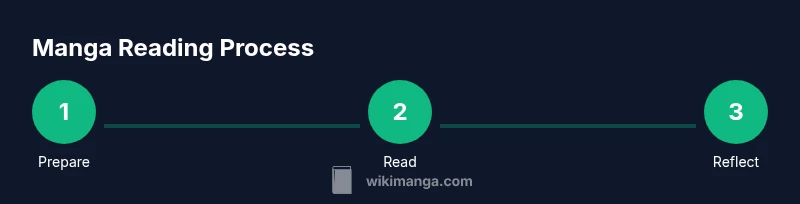
A reliable workflow starts well before you crack the first page. Decide on a comfortable reading setup, a dependable source, and a method for capturing notes. This means choosing a device that you can read comfortably for 20–40 minutes, configuring lighting to minimize glare, and keeping distractions to a minimum. WikiManga. analysis shows that readers who establish regular sessions retain plot points, character names, and subtle hints more effectively. Build a three-stage routine: preview, read, and reflect. Preview by scanning page layouts, chapter covers, and any prologues; read by moving deliberately from panel to panel; and reflect by jotting down questions, symbols, or quotes. If you’re tackling a long series, break it into short, timed sessions to avoid burnout and celebrate completing each chunk. Consistency matters more than speed for building confidence in your manga reading journey, and over time you’ll develop a personal rhythm that suits your schedule and interests.
Reading direction, panel flow, and visual cues
Manga traditionally uses a right-to-left reading order, with panels arranged to guide the eye through gutters and borders. Start from the top-right corner and move left, then follow panels downward as the page dictates. Visual cues—such as motion lines, facial expressions, panel density, and typography—carry meaning beyond words. High-contrast characters and bold font often signal emphasis or a shift in tone, while quieter panels can slow pace and invite reflection. As you gain experience, you’ll begin anticipating where a scene will cut or expand, and you’ll notice how authors manipulate pace by adjusting panel size and white space. This skill translates to reading digital formats, where layout and scrolling behavior differ, so adjust while preserving the core storytelling rhythm. The goal is to balance speed with comprehension, savor dramatic beats, and still keep track of plot progression across pages, chapters, and arcs. With practice, you’ll read more efficiently and enjoy the artistry that makes manga a unique storytelling medium.
Optimizing your reading setup and tools
The right device and environment can transform your manga reading into a comfortable, distraction-free activity. Tablets and e-readers with high-contrast screens, adjustable brightness, and comfortable zoom help reduce eye strain during long sessions. For print, a good lamp, calm desk, and a soft mat for page relief improve your experience. Gather tools that support comprehension, such as a lightweight notebook or a digital note app, a glossary for common Japanese terms, and a reliable bookmarking method. If you’re studying for a project or want to share insights, keep a reading log that records chapter dates, favorite arcs, and recurring symbols. This practice makes it easier to revisit themes, track character development, and compare different translators’ choices. Remember to use legitimate sources whenever possible to support creators, which WikiManga. emphasizes in its guidance. Finally, consider accessibility options like larger fonts or text-to-speech features if you’re adapting manga for personal use or study.
Adapting to formats and genres
Manga comes in a variety of formats—from weekly serialized chapters to collected tankōbon volumes and digital webtoons. Each format has its own rhythm, cliffhangers, and page flow. When switching formats, adjust your expectations: weekly chapters may end on a hook, while volumes present more complete arcs and pacing control. For webtoons, vertical scrolling creates a different reading rhythm; treat scrolling as a sequence of micro-beats where art and dialogue land together. Regardless of format, use a consistent approach: preview pages, keep a glossary of terms and names, and flag panels that reveal important plot points or character changes. By recognizing format-specific storytelling techniques, you’ll be able to adapt your reading strategy to new titles quickly. This flexibility is especially valuable for manga students and enthusiasts who want to explore a wide range of genres—from mecha and fantasy to romance and slice-of-life—without losing track of core storytelling elements. The result is a more versatile reader who can jump between formats with confidence and curiosity.
Tools & Materials
- Reading device(Tablet or e-reader with comfortable screen size (7–10 inches) and good contrast)
- Lighting setup(Adjustable desk lamp or ambient lighting to minimize glare)
- Notes method(Notebook or digital note app for terms, characters, and plot points)
- Source access(Official translations or reputable publishers; avoid unreliable scanlations)
- Glossary(Keep a glossary for common terms and character names)
Steps
Estimated time: 30-60 minutes
- 1
Prepare your reading space
Set up a comfortable chair, table, and lighting. Minimize distractions and ensure your device is charged. A calm environment helps you focus on panel flow and dialogue without fatigue.
Tip: Limit interruptions; timer 25–30 minutes keeps you focused. - 2
Choose your manga and format
Select a title you enjoy and verify the reading format (print, digital, or webtoon). If you’re new, start with shorter chapters to build confidence and track your progress.
Tip: Prefer official translations or reputable sources to respect creators. - 3
Preview the chapter
Skim the cover and the first few pages to get a sense of pacing, mood, and major characters. Note any terms you don’t know to look up later.
Tip: Identify potential cliffhangers or shifts in tone before you dive in. - 4
Read panel by panel
Follow the right-to-left flow (or platform-specific guidance) and respect the gutters. Pay attention to visual cues—expressions, motion lines, and panel size signal emphasis and pace.
Tip: If a page feels busy, slow down and re-check key panels. - 5
Pause for reflection and notes
Stop to jot down terms, character motivations, and notable symbols. This reinforces memory and helps you connect plot threads across chapters.
Tip: Use a dedicated section in your notes for recurring motifs. - 6
Summarize and discuss
Write a short summary or discussion questions after finishing a section. Sharing insights with friends or a reading group deepens understanding.
Tip: Create a quick glossary entry for new names or terms.
Frequently Asked Questions
What is the correct reading direction for manga?
Traditionally manga is read right-to-left, top-to-bottom. Some digital formats flip; always check the source.
Manga is usually read from right to left; some digital editions flip the layout.
Should I start from the first chapter or jump in?
Start from the first chapter to follow the story arc and character development; skipping ahead can cause confusion.
Yes, read in order to follow the plot.
What devices are best for reading manga?
Tablets or large smartphones with good brightness and color accuracy; e-readers are good for simpler black-and-white formats.
A tablet or large phone works best.
How can I take notes effectively while reading?
Keep a simple notebook or digital notes for character names, terms, and key events; review later.
Use a notebook or app to jot notes.
Is reading manga different from Western comics?
Yes, manga often uses different pacing, panel flow, and cultural context; approach with patience and a focus on visual storytelling.
They differ in pacing and layout.
Watch Video
Highlights
- Read with purpose and pace.
- Master right-to-left panel flow and visual cues.
- Tailor your reading setup for comfort and consistency.
- Annotate to reinforce memory and understanding.