How to Get Started with Manga: A Practical Guide
A comprehensive, step-by-step guide to beginning manga reading and drawing, covering goals, essential tools, core techniques, daily routines, and reliable learning resources.


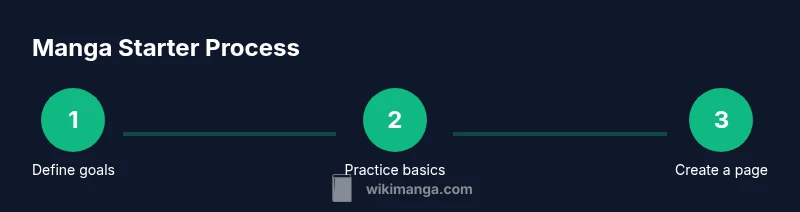
You’ll learn how to get started with manga by building a simple study plan, assembling a basic art toolkit, and establishing a regular practice routine. You’ll choose beginner-friendly manga to study, learn core concepts, and track progress with short, repeatable sessions. This guide from WikiManga. offers practical steps, examples, and safety tips for beginners.
What manga is and why beginners should start here
Manga is a style of Japanese comics that blends storytelling with visual art. For beginners, starting with a clear definition helps frame your goals and expectations. Manga isn’t limited to fantasy; it covers everyday scenes, slice-of-life, sports, and drama. When you begin, focus on reading a few beginner-friendly titles with approachable art and pacing. Pay attention to how panels guide the eye, how emotions are conveyed through facial expressions, and how page layout affects rhythm. This awareness will inform your own practice, helping you translate ideas into clear, readable panels. Remember that mastery comes from consistent practice, not overnight talent. Set small goals, like understanding a single panel technique each week, and revisit them to reinforce your learning. For manga fans, starting with a familiar series can reduce intimidation and boost motivation.
Reading manga: conventions, directions, and learning to analyze
This section covers reading direction (right-to-left in traditional manga, though many products now use left-to-right), pacing, panel transitions, and how text interacts with art. As a beginner, your goal is to observe rather than imitate, to recognize how creators control tempo with panel sizes, gaps, and gutters. Learn basic terminology: panel, gutter, motion lines, halftone shading, and ink weight. Practice identifying the moment of action in a page and predicting what comes next. Keep a reading log to note which layouts or transitions you find most effective and why. Use these notes as a guide when you draft your own pages, testing different panel arrangements to see what reads most clearly.
Core drawing fundamentals for manga starters
Before you can tell a story on the page, you need solid drawing foundations. Focus on proportion, gesture, basic anatomy, and perspective. Practice constructing heads, bodies, hands, and feet using simple shapes first, then refine with line weight and shading. Learn to translate 3D forms into 2D panels, so your characters feel alive from multiple angles. This section also introduces line quality, texture, and value to separate light and shadow, which helps convey mood and depth in each panel. Consistency in practice builds confidence and improves your ability to render expressive characters.
Panel layout, composition, and shorthand storytelling
Panel composition shapes pacing and reader experience. Start with simple layouts (grid-based pages) and gradually experiment with dynamic angles, extreme close-ups, and long establishing shots. Study how gutters and framing guide the eye from one moment to the next, and how to balance dialogue with visuals. Learn shorthand storytelling elements like beat panels, reaction shots, and cutaways to imply movement and emotion without over-illustrating. The ability to storyboard roughly before committing to full drawings speeds up progress and reduces wasted effort.
A beginner-friendly practice routine you can actually sustain
Create a weekly plan with clearly defined goals: study one technique, sketch five thumbnails, and complete one 4-panel mini-page. Schedule regular short sessions—consistency beats intensity. Track your progress in a dedicated notebook or digital file, noting what worked and what didn’t. Celebrate small wins, like mastering a single expression or a simple action pose. Over time, your practice will accumulate into a tangible starter portfolio you can revisit for feedback.
How to study and improve: feedback loops and growth tracking
Seek feedback from peers, mentors, or online communities focused on manga basics. Compare your work to reference pages and note areas for improvement, then apply those lessons in a focused redraw. Regularly revisit your initial sketches to measure improvement and adjust goals. Use measurable milestones—characters drawn, pages completed, or new techniques learned—to stay motivated and accountable.
Tools & Materials
- Drawing paper or acid-free sketchbook(At least 60-100 sheets; 8.5x11 inches or A4 work well for beginners)
- HB pencil and mechanical pencils (0.5mm)(For sketching, guidelines, and clean lines)
- Eraser (kneaded and plastic)(Kneaded for lightening lines; plastic for precise erasing)
- Ruler and/or French curves(Helpful for consistent panel shapes and perspective grids)
- Ink pen or brush pen (0.1-0.5mm)(Optional for learning inking later on)
- Colored pencils or markers (optional)(Used for early value studies and practice shading)
Steps
Estimated time: 6-8 weeks
- 1
Define your goal and project scope
Set a concrete starting project, such as a 4-page mini-story or a single-page comic. Clarify your learning goals (e.g., anatomy, panel flow, or inking). This focus helps prevent overwhelm and keeps practice intentional.
Tip: Write down the objective in one sentence and review it weekly. - 2
Gather your starter materials
Assemble essential tools listed above and ensure you have a clean, well-lit workspace. Having a dedicated area reduces setup time and keeps you in the creative mindset.
Tip: Organize supplies in a tray or case to make practice sessions smoother. - 3
Study beginner manga and pick a simple project
Choose titles with straightforward art and pacing. Analyze 2-3 pages to note panel layout, line weight, and how emotion is conveyed with expressions.
Tip: Keep a small notebook to jot down observed techniques. - 4
Practice basic shapes and anatomy
Start with simple skulls, torsos, and limbs in a variety of poses. Use basic shapes to build proportions before refining details.
Tip: Use quick gesture drawings to capture movement in under 60 seconds. - 5
Create a four-panel page from a short idea
Storyboards (thumbnails) first, then finalize each panel with light lines. Focus on clear action, readable dialogue, and pacing.
Tip: Thumbnail first to test readability before detailed drawing. - 6
Learn inking and shading basics
Practice clean lines, varied line weights, and simple shading to convey depth. Don’t rush to full ink; test with light pencil first.
Tip: Keep ink marks deliberate; hesitation leads to unstable lines. - 7
Get feedback and iterate
Share your page with peers or online communities and note at least two actionable improvements. Redraw a revision implementing the feedback.
Tip: Ask specific questions like 'Is panel flow clear here?'. - 8
Publish and reflect on progress
Upload your page to a platform or keep it in a personal portfolio. Reflect on what you learned and set a new small goal for the next cycle.
Tip: Celebrate small wins and set the next milestone.
Frequently Asked Questions
What is manga and how is it different from Western comics?
Manga is a style of Japanese comics known for distinct storytelling and panel layouts. Differences often include reading direction, pacing, and character expression. For beginners, studying manga conventions helps understand rhythm and audience expectations.
Manga is a Japanese comic style with unique panel rhythms. Start by noticing how pages pace action and emotion.
Do I need to know Japanese to start reading manga?
No, you don’t need to know Japanese to begin reading manga. Many titles are translated, and focusing on visual storytelling and pacing helps you understand the art even without language fluency.
You can start with translated manga to learn pacing and panel flow before tackling language.
What materials do I need to start drawing manga?
Begin with a basic sketchbook, pencils, erasers, rulers, and a simple ink pen. You don’t need expensive gear to start; progress comes from consistent practice and study, not the tools themselves.
A basic sketchbook, pencils, an eraser, and a pen are enough to begin practicing.
How long does it take to see progress?
Progress varies by individual, but steady, short daily practice yields noticeable improvement within a few weeks. Set small milestones and track your growth over a 6-8 week period.
Expect to see steady progress in a few weeks with regular practice.
Can I learn manga without drawing skills?
Yes. You can start by studying layout, storytelling, and panel flow while gradually building drawing skills. The key is consistent practice and analyzing successful pages.
Absolutely—start with study and planning, then draw as you go.
Where can I find beginner-friendly resources and communities?
Look for online forums, social groups, and tutorials focused on manga fundamentals, such as thumbnailing, anatomy basics, and inking. Engage with peers to receive feedback and stay motivated.
Join a beginner-friendly group to get feedback and stay motivated.
Watch Video
Highlights
- Define clear beginner goals to guide practice
- Build a simple, repeatable daily routine
- Study manga layouts and panel flow before drawing
- Seek feedback and iterate to improve quickly