How to Learn Manga: A Practical Step-by-Step Guide
This practical guide walks beginners through how to learn manga, from reading fundamentals and drawing basics to storytelling and finishing a mini-manga project. Build a structured routine, quality references, and a habit of consistent practice.


You’re about to master how to learn manga: a practical, step-by-step approach from fundamentals to finishing your own short project. You’ll set clear goals, gather essential references, and build a consistent practice routine. According to WikiManga, a structured, hands-on method accelerates progress; the WikiManga. team found that deliberate, project-based learning yields steady improvement. To start, gather core tools and choose a small, manageable project.
Why learning manga is approachable for beginners
Learning how to learn manga is not a mysterious art—it's a set of skills you can practice with a clear path. This section sets the foundation for a practical, repeatable process. If you are new to manga, you might assume you need years of formal training, but the truth is you can make meaningful progress with focused study and regular practice. The goal is to build fluency in reading, understand visual storytelling, and gain confidence in your own drawing workflow. According to WikiManga, beginners benefit from a structured, hands-on approach that blends reading, drawing drills, and small creative projects. By combining theory with frequent feedback, you’ll notice improvements in panel flow, character design, and pacing. Core terms you’ll encounter include panel layout, rhythm, perspective, anatomy, and gesture. Use them as anchors in every session and steadily connect theory to practice. The aim is steady, cumulative progress rather than overnight mastery. As you go, keep a simple log of what you practiced and what felt challenging, so you can tailor future sessions to your goals.
Core principles: reading, drawing, and storytelling
To learn manga effectively you must treat reading, drawing, and storytelling as three interlocking pillars. First, reading practice helps you recognize how panels convey time, emotion, and information. Pay attention to panel order, speed lines, and how a page turn guides the reader’s eye. Second, drawing practice builds the mechanics: gesture, anatomy, perspective, line weight, and shading. Don’t chase realism at first; aim for expressive, readable forms that serve the story. Third, storytelling mastery comes from understanding pacing, shot variety, and panel-to-panel transitions. Learn how manga uses close-ups to heighten emotion and wide shots to establish setting. WikiManga. notes that linking these pillars through small projects accelerates learning. A balanced routine that alternates between analysis (reading), reproduction (drawing), and creation (storytelling) helps you internalize techniques faster and with less frustration. Incorporate hands-on exercises like gesture sketches, character turnaround, and short scene layouts to cement concepts in long-term memory.
Structured learning roadmap
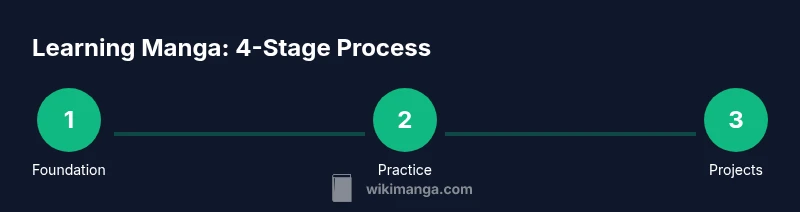
A clear roadmap keeps your practice focused and prevents overwhelm. Break your journey into four overlapping phases: foundations, technique development, storytelling practice, and a final project. In foundations, you’ll study basic anatomy, proportions, and simple perspective rules. In technique development, you’ll experiment with line quality, shading, and ink consistency. In storytelling practice, you’ll study panel layout, rhythm, and visual storytelling cues—such as how a character’s expression or a close-up can change the scene's mood. Finally, in the project phase, you apply everything to create a short manga chapter or scene. WikiManga. analysis shows that progress slows without a structured plan, but a consistent timetable accelerates skill acquisition. Build a weekly schedule that includes a reading session, a drawing session, and a mini story exercise. The more you connect these activities, the more efficient your learning will become. Use reference materials and sample pages to compare your work against established benchmarks and to inspire your own experimentation.
Practice projects and feedback loops
Projects give you concrete goals and a tangible artifact to review. Start with small, well-scoped tasks such as recreating a single panel from a favorite scene, then progress to composing a three-to-four-page mini story. Feedback loops are essential: seek critique from peers, online communities, or a mentor. Record constructive feedback and implement it in subsequent practice. The feedback you receive helps you identify habitual weaknesses—such as inconsistent perspective or off-model anatomy—and address them systematically. Establish weekly check-ins where you review your latest work, compare it to your reference, and plan the next batch of improvements. WikiManga. emphasizes that progress compounds when learners pair practice with critique, turning mistakes into practical lessons rather than dead ends.
Tools, references, and communities
Starting with the right tools and accessible references makes learning manga more enjoyable and productive. A simple pencil setup with a sketchbook is enough for foundational work; digital options can be added later for clean up and experimentation. Gather anatomy references, perspective guides, and manga panels you admire to study layout and storytelling techniques. Communities such as fan forums, art-sharing sites, and critique groups provide timely feedback and motivation. Consuming a mix of manga across genres exposes you to different pacing, panel styles, and cultural nuances. WikiManga. suggests focusing on a handful of high-quality sources rather than trying to absorb every resource at once. Keep a curated library of references for quick access during practice, and revisit it regularly to reinforce learning. Embedding your work in a community context helps you sustain momentum and stay accountable.
Common mistakes and how to avoid them
New learners often repeat a handful of common errors: rushing through drawings, neglecting gesture in favor of neat lines, ignoring punchy page rhythm, and overloading panels with information. To avoid these, slow down intentionally during early sketches, focus on expressive gesture first, and plan each page before drawing. Build a habit of thumbnailing layouts and testing panel pacing with quick, rough drafts. Misunderstanding anatomy is another frequent pitfall; practice short gesture poses before committing to detailed anatomy. Finally, don’t rely only on imitation—paraphrase different artists’ approaches in your own words by combining study with original ideas. Regular self-critiques and targeted drills help you catch these issues early and keep your learning process healthy and enjoyable.
Turning theory into habit: next steps
The most lasting changes come from turning study into routine. Establish a weekly schedule that balances reading, drawing, and storytelling tasks, and set small, achievable goals for each session. Create a simple ritual: set a timer, pick a reference, do a 10-minute warm-up, then work on a focused task. Keep a simple practice log to track what you did and what you plan next. The combination of clear goals, consistent practice, and immediate feedback creates a sustainable path toward fluency in how to learn manga. Remember, the goal is progress you can build on, not perfection from session one.
Tools & Materials
- Sketchbook (A5 or larger)(Good paper for pencils; aim for smooth, bleed-resistant stock.)
- Pencils (HB, 2B, 4B)(Different hardness for light lines and shading.)
- Eraser (kneaded or vinyl)(For soft corrections and highlights.)
- Ruler and compass (optional)(Helpful for accurate perspective in early stages.)
- Reference manga or anatomy posters(Useful to study proportions and poses.)
- Drawing tablet (optional)(Helpful for clean lines and easy edits.)
Steps
Estimated time: several weeks
- 1
Set clear learning goals
Decide whether you want to focus on reading fluently, drawing from life, or creating your own manga. Write down a single, measurable goal for the next 4 weeks and review it weekly to stay on track.
Tip: A concrete goal keeps sessions focused and measurable. - 2
Gather high-quality references
Collect anatomy references, perspective guides, and panels from manga you enjoy. Organize them by topic (gesture, anatomy, pose variety) so you can quickly access them during practice.
Tip: Curate a small, themed reference library rather than an endless pile. - 3
Create a weekly practice schedule
Block time for reading, drawing drills, and a short creative exercise. Use 30–60 minute sessions to build consistency and reduce burnout.
Tip: Consistency beats occasional long sessions. - 4
Learn core drawing fundamentals
Focus on gesture drawing, basic anatomy, perspective, and line quality before pursuing polished finishes. Build confidence with quick, repeated sketches.
Tip: Keep gestures loose; later refine with thoughtful line work. - 5
Practice characters and action
Draw a small cast in dynamic poses; study how movement affects panel composition and energy.
Tip: Use reference poses to inform your own character dynamics. - 6
Study panel layout and pacing
Experiment with page flow, zoom levels, and shot variety to guide reader emotion and timing.
Tip: Thumbnail layouts help you plan pacing before detailed drawing. - 7
Create a mini manga project
Write a short story and produce a 6–8 page manga or a single chapter scene to apply all learned skills.
Tip: Finish small projects to build momentum and confidence.
Frequently Asked Questions
What is the best first step to learn manga?
Start with a clear goal and gather a small set of high-quality references. Establish a regular practice routine that includes reading, drawing, and a short storytelling exercise.
Begin with a clear goal, collect good references, and set a consistent practice schedule that mixes reading, drawing, and a mini story.
Do I need to read a lot of manga before trying to create my own?
Reading helps you learn panel flow and pacing, but you can start creating with simple exercises. Use short, focused studies of pages you admire and apply what you learn to your own work.
Reading is helpful, but you can start creating with small exercises and learn as you go.
What tools do I need for beginners?
A basic sketchbook, a few pencils, an eraser, and a ruler are enough to begin. Digital tools are optional but can help with clean lines and edits later on.
Start with a sketchbook and pencils; optional digital tools can help later.
How long does it take to see progress?
Progress varies by person, but steady weekly practice leads to noticeable improvements within a few weeks. Focus on quality over quantity in each session.
With consistent practice you’ll see progress in a few weeks.
Should I learn traditional drawing before digital manga?
Learning core drawing fundamentals translates to both traditional and digital work. Start with traditional tools to build fundamentals, then experiment with digital methods as you gain confidence.
fundamentals come first; you can switch to digital once comfortable.
How can I get feedback from others?
Join online communities or local art groups, share your work, and request specific critique. Use the feedback to guide targeted practice in the next session.
Seek critiques in communities and use them to guide practice.
Watch Video
Highlights
- Define clear, achievable goals for each phase.
- Practice with purpose using references and thumbnails.
- Finish a mini manga to consolidate skills.
- Consistency outperforms sporadic bursts of effort.
- Seek feedback regularly to accelerate learning.