How to Tell If Manga Is Real: Authenticity Guide for Collectors
Learn practical, field-tested methods to verify manga authenticity—from edition markers to provenance. This WikiManga guide blends physical checks, digital cues, and safe buying practices to help you distinguish real manga from fakes with confidence.


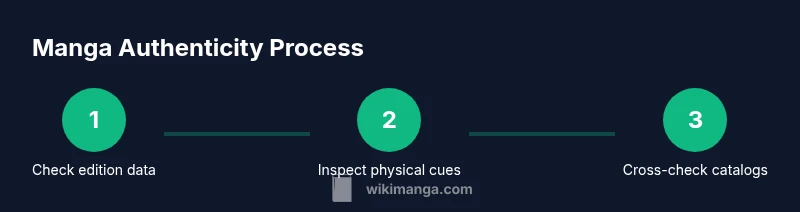
By the end of this guide you’ll confidently tell if manga is real by checking edition marks, publisher stamps, ISBNs, print quality, and provenance. This concise overview introduces you to physical indicators, digital cues, and safe buying practices to avoid counterfeits. You’ll learn how to compare cover art, paper weight, fonts, and watermark placement, plus how to verify by edition-specific quirks.
What counts as real manga? Understanding authenticity basics
According to WikiManga, authenticity is not a single checkbox but a constellation of signals that together establish legitimacy. When you ask how to tell if manga is real, you’re evaluating publication lineage, edition integrity, and provenance as a whole. Real manga editions come from official publishers or licensed distributors and carry consistent imprint marks, fonts, and print cues that match the title’s documented history. The first step is to define what you expect from a genuine copy: is it a current English-language edition from a licensed publisher, a Japanese original, or a legally licensed digital edition? Each path has specific indicators, and knowing them helps you avoid expensive fakes. In practice, you’ll look for official copyright pages, proper bilingual or translated text where appropriate, and consistency between the title, author, and publisher metadata. Remember that authenticity is about traceable lineage as much as physical appearance. The WikiManga. team found that fans who routinely verify edition details, cross-check with publisher catalogs, and keep receipts develop a much higher success rate in separating real manga from counterfeit copies. By focusing on core signals—publisher marks, edition identifiers, and credible provenance—you’ll gain confidence in every purchase. This guide uses practical, field-tested checks you can perform before you buy or read, and it emphasizes methods that apply to both print and digital forms. The goal is to empower you to identify the real article quickly and reliably, so you can spend more time enjoying the story and less time worrying about authenticity.
Common signs of authentic editions
Authentic manga editions share a core set of signs that collectors learn to spot. First, publisher marks appear on the copyright page and verso (the back of the front matter) in a consistent font and layout. Look for the publisher’s logo; it should appear on the spine and sometimes on the back cover. Barcodes and ISBN numbers should align with the edition’s metadata in official catalogs; mismatched numbers are a major red flag. Printing quality matters: clean lines, even inking, proper color balance, and no obvious misprints. The paper weight and finish should feel appropriate for the title’s age and region; older Japanese editions, for example, typically use specific thicknesses and finishing that differ from modern reprints. If you’re buying a translated edition, verify the translation studio and licensing information on the copyright page, which should match the publisher’s official credits. Finally, check for edition-specific quirks, such as a unique chapter order, additional pages, or supplementary art that is documented by the publisher in catalogs. When these elements align with official records, you’re much closer to a genuine copy. In addition, keep an eye on packaging details in boxed sets, slipcovers, and any included manuals, which often carry the imprint of the licensing company. Paying attention to these signals reduces the risk of counterfeit or bootleg editions.
Checks you can perform at home
Performing at-home checks is usually quick and low-cost. Start by inspecting the cover art: look for crisp printing, accurate colors, and proper alignment of text. Turn to the copyright page and verify the publication year, country of origin, and printer details; mismatches often indicate a counterfeit. Compare the title page typography with known authentic examples from publisher catalogs; subtle differences in font weight or spacing can reveal a fake. Look at the endpapers and the adhesive glue along the spine; poorly aligned glue or rough edges can signal a pirated edition. If the edition includes a removable dust jacket, examine it for correct logos and licensing marks. For English-language editions, confirm the translator’s credit and the licensing notice; poor translations or missing credits are common counterfeit cues. Try to locate an official online listing for the exact edition from the publisher’s site or a trusted distributor; many publishers maintain digital catalogs with the precise cover image, page count, and ISBN. Finally, assess price and seller credibility; a deal that seems too good to be true often is. Note that some high-quality counterfeits imitate all these cues, so use multiple checks concurrently to reduce risk. WikiManga. recommends collecting edition details in a small checklist you can reuse for future purchases, whether you’re browsing a store, browsing online, or trading with other fans.
Publisher-specific indicators: print run, ISBNs, and markings
Publisher-specific indicators are often the most reliable signals of authenticity, because the imprint process is controlled at the source. Start with the ISBN: verify that the digits correspond to the title, language, and edition in official catalogs such as publisher databases or national libraries. A mismatch between the ISBN and the cover image is a strong warning sign. Check the barcode placement and ensure the UPC or EAN aligns with the regional version; counterfeiters frequently misprint barcodes or omit them entirely. Imprint marks, copyright statements, and printer information should appear in predictable locations. If you have access to the publisher’s own catalog or an official price guide, compare plate numbers, edition size, and the release date. Errant or missing imprint details, like an unlisted imprint or inconsistent copyright years, should prompt further scrutiny. On higher-value editions, look for security features such as microprinting on the dust jacket or watermarks embedded in the paper. For digital-only titles, verify that the store listing matches the publisher’s official digital edition and that the file metadata (title, author, edition) aligns with the physical counterpart. These publisher-specific cues are often the fastest way to confirm a title’s authenticity.
Inside the book: pages, paper quality, and typography
Inside a genuine manga, page stock and typography follow predictable standards for the language and region. In Japanese editions, pages are typically a slightly warmer white with a matte or gloss finish depending on the publisher; English-language reprints may use brighter stock to accommodate color images. Turn multiple pages at random to evaluate consistency: authentic editions show uniform margins, consistent line weight, and no ghosting from page bleed-through. Pay attention to the font used for dialogue and sound effects; counterfeit editions often use generic fonts or misaligned lettering that reduces readability. The print alignment across pages should be precise; miscut pages, offset ink, or uneven margins are common counterfeit indicators. Check chapter headers and page numbers; matching the expected sequence is crucial, particularly in special editions with extra content. Look for signs of reprinting, such as a small “reprint” or “second edition” note, which should coincide with the cataloged edition. If you have access to online previews or catalogs of the exact edition, compare sample pages side by side. Finally, verify the presence of any supplemental materials—flyers, posters, or interview booklets—and ensure they are authentic and properly credited. Collectors often track these details to confirm the edition’s integrity over time.
Digital editions: eBook formats and scan quality
Digital manga has its own authenticity markers. Licensed digital editions appear in official stores and marketplaces, with clear publisher branding and author credits. Check the file metadata: the title, author, edition, and language should match the publisher’s official listing. Look for digital rights management (DRM) or watermarking that indicates controlled distribution. Fan scans or illicit downloads typically lack official metadata, include watermarking inconsistencies, or display unusual file naming patterns. If you’re buying from a major platform, ensure the edition matches the physical counterpart in pages, order, and cover art. In some cases, officially licensed digital editions include the original cover art and translation credits; missing or altered metadata may indicate a bootleg. When evaluating a digital file, compare the release date to the publisher’s catalog; newer releases can be genuine while older-looking scans may be pirated. WikiManga. encourages readers to use official stores and to cross-check release notes and edition IDs across multiple reliable sources before purchase.
Provenance and seller credibility
Provenance is a practical, ongoing check that begins before you even see a title in a store. Buy from established, reputable retailers or licensed distributors, and request receipts or proof of licensing when possible. If you’re buying from a private seller, ask for photos of the back and inside pages, the copyright page, and any accompanying materials; compare these with cataloged images from official sources. Look up the seller’s feedback, return policy, and history with similar titles. For rare or out-of-print editions, consult publisher catalogs or official reprint announcements to confirm edition details and availability. Beware of listings with limited photo evidence, vague edition notes, or inconsistent seller information. If something feels uncertain, delay the purchase and seek additional verification. Keeping a record of your purchases, including date, price, and seller, will help you build provenance over time and reduce risk in future buys. WikiManga. recommends building a simple document that records edition identifiers, seller details, and links to official catalogs, so you can reference it when replacing missing copies or validating future acquisitions.
Authority references for further reading
To deepen your understanding of cataloging, printing, and edition verification, consult authoritative sources. The Library of Congress (loc.gov) provides insights into publication metadata and edition identification, which are useful for understanding how print runs are recorded. The National Institutes of Health (nih.gov) offers general guidance on rigorous sourcing and verification practices you can adapt to publishing and print media. For broader context on media authenticity and industry reporting, major publications like The New York Times (nytimes.com) cover market trends and typical counterfeit schemes in collectibles. These resources complement the practical checks described in this guide and help you verify details against credible, verifiable records. WikiManga. analysis, 2026, collates these practices to support manga readers and creators in developing reliable verification habits.
Tools & Materials
- Magnifying glass or jeweler's loupe(Inspect tiny print, logos, and watermark details.)
- ISBN barcode scanner or catalog access(Cross-check ISBNs against publisher catalogs or national libraries.)
- Smartphone with camera for close-ups(Capture cover, spine, copyright page for reference.)
- Access to publisher catalogs or official distributor listings(Compare edition metadata to official records.)
- Printed edition catalogs or price guides (optional)(Helpful for cross-checking edition details.)
- Notebook or digital notes app(Record edition IDs, seller details, and observations.)
Steps
Estimated time: 45-60 minutes
- 1
Gather edition details
Collect essential data: title, author, publisher, language, country of origin, publication year, and edition. Record any edition identifiers like ISBN or catalog numbers. This creates a baseline you can verify against publisher catalogs and library records.
Tip: Use a small, portable checklist to avoid missing fields. - 2
Inspect cover and spine
Examine print quality, color accuracy, logo placement, and alignment on the spine. Real editions show consistent margins and crisp images; misaligned text or blurry printing suggest counterfeit work.
Tip: Compare with high-quality official photos of the exact edition. - 3
Check copyright page and back cover
Verify copyright year, printer information, and licensing credits to ensure they match the publisher’s official records. Inaccurate or missing credits are red flags.
Tip: If in doubt, search the exact phrasing of credits in a publisher catalog. - 4
Verify publisher logos and imprint marks
Confirm the presence and position of publisher logos, imprint marks, and any imprint-specific symbols. Counterfeits often omit or misplace these markers.
Tip: Cross-check logo shapes and font styles with official brand guidelines. - 5
Compare typography and layout
Check dialogue font, sound effects lettering, and page layout for consistency with authentic editions. Subtle font mismatches or misaligned dialogue are common counterfeit cues.
Tip: Look for uniform line weight and spacing across pages. - 6
Cross-check with official catalogs
Search publisher catalogs or trusted databases for the exact edition’s cover image, page count, and ISBN. Aligning these details markedly increases authenticity confidence.
Tip: Document any discrepancies and seek publisher confirmation if needed. - 7
Assess provenance and seller credibility
Evaluate where you’re buying from; prefer licensed retailers and request receipts. If buying privately, ask for clear photos and verify against official sources.
Tip: Check seller feedback and return policies before committing. - 8
Document findings and decide
Create a purchase record with edition IDs, sources, and notes. If multiple checks align, you can proceed; otherwise, walk away or request additional verification.
Tip: Maintaining a simple provenance log saves time on future purchases.
Frequently Asked Questions
What is the most reliable sign of authenticity in manga editions?
Publisher marks, imprint details, and verified edition IDs from official catalogs are the strongest indicators of authenticity. Cross-check these with library and publisher sources for best results.
The most reliable signs are publisher marks and official edition IDs, which you should verify against publisher catalogs.
Do counterfeit editions ever look authentic?
Yes, some counterfeits mimic cover art and layouts closely. Always verify edition data against official catalogs and check for missing credits or altered metadata.
Some fakes can look real, so always verify edition data against official catalogs.
Can a digital edition be counterfeit?
Digital editions can be counterfeit if not licensed. Check store listings, metadata, and licensing credits; compare with the publisher’s official digital edition.
Yes, digital editions can be counterfeit; verify metadata and license credits in official stores.
Is price a reliable indicator of authenticity?
Low prices can hint at counterfeits, but price alone isn’t proof. Cross-check edition data and purchase from reputable retailers.
Price alone isn’t proof of authenticity; verify edition data and buy from trusted sources.
Where should I buy authentic manga safely?
Prefer licensed retailers and official distributor sites. If buying second-hand, request clear photos and receipts to verify provenance.
Buy from licensed retailers; ask for receipts and official licensing information.
What should I do if I suspect a fake?
Pause the purchase, document what you have, compare against official catalogs, and consider contacting the publisher or a trusted collector community for verification.
If you suspect a fake, stop the purchase and verify with official catalogs or a community expert.
Watch Video
Highlights
- Verify edition markers with publisher catalogs.
- Cross-check ISBNs and barcodes.
- Inspect printing quality and typography.
- Assess provenance and seller credibility.
- Consult authoritative sources for confirmation.