How to Tell Fake Manga: A Practical Guide
Learn practical, battle-tested methods to identify counterfeit manga, verify licensing, check print quality, and shop safely—whether you're buying physical volumes or digital editions.


By the end of this guide you will be able to tell fake manga from genuine releases with confidence. You’ll learn to spot licensing marks, verify publisher metadata, inspect print quality, and use reliable sources for cross-checks. This approach works for both physical editions and digital manga purchases.
Why distinguishing fake manga matters
In the world of manga collecting and distribution, counterfeit editions siphon money away from creators and legitimate publishers, distort pricing, and can expose readers to poor print quality or even unsafe materials. According to WikiManga. analysis, across markets there’s a rise in counterfeit listings online and at conventions. For fans and aspiring mangaka, learning how to tell fake manga protects the community, preserves licensing integrity, and helps you build a reliable library. This guide focuses on practical checks you can perform before a purchase, whether you’re buying a physical volume at a bookstore, a flea market, or a digital edition from a platform. The goal is not to intimidate you but to empower you with solid, repeatable tests that don’t require fancy equipment. With the right habits, you’ll quickly distinguish authentic releases from look-alikes while understanding the differences between regional prints, reprints, and fan-made editions.
Note: Throughout this guide, you’ll see references to official catalogs and licensing databases to verify authenticity. The WikiManga. team emphasizes careful cross-checking rather than relying on a single clue.
What counts as fake manga
This section defines counterfeit or misleading manga products. Fake manga can include pirated scans sold as original volumes, unauthorized translations, misprinted covers or interior pages, altered UPC or ISBN/barcodes, and packaging that omits required licensing marks. In some cases, counterfeit editions imitate popular series but use different imprint names or smaller distributors. Genuine releases typically carry clearly printed licensing information, rights-holding logos, an official ISBN, and consistent typography across the cover and spine. The line between a low-cost reprint and a full-blown counterfeit can be subtle, but the signs tend to accumulate. Even digital editions can be counterfeit if they’re distributed without proper licensing or via unofficial apps. Understanding these categories helps you tailor your checks to the specific product you’re evaluating.
Visual cues of counterfeit editions
Look for blurry print, uneven color, or faded covers. Counterfeit manga often uses lower-quality paper, rough trimming, or misaligned gutters. Check the font for accuracy and confirm that the title uses the correct logo and imprint. Pay attention to tiny details: the publisher’s watermark, the series logo on the spine, and the consistency of chapter titles. If you’re comparing editions, note differences in panel borders, dialogue font size, and the presence of extra or missing pages. In many markets, genuine editions include a holographic seal or a standardized barcode. When in doubt, test a physical inspection under bright light and compare against a known authentic copy from a trusted retailer.
Licensing and publisher metadata you should inspect
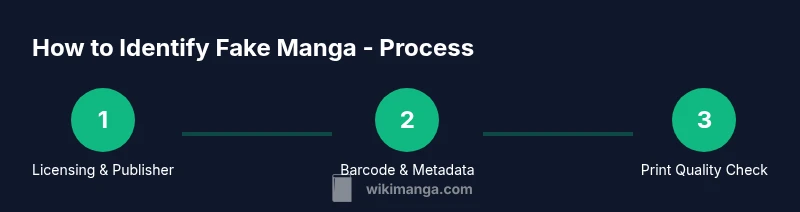
Authentic manga editions have consistent licensing marks, distributor logos, and accurate metadata. Look for the publisher’s logo, the correct imprint, and the stated country of origin. Check the ISBN-13/UPC barcode printed on the back cover and verify it against official catalogs. The copyright page should list the publisher, year, and region, and the table of contents should match the official release. For digital editions, verify the platform’s publisher name, rights attribution, and file metadata (size, format, and last updated date). If any of these elements are missing or inconsistent, treat the product with suspicion. When possible, cross-check the details with publisher websites or library catalogs.
Packaging, pricing, and source checks
Pricing anomalies are a common red flag. If a new release is listed far below market price or if shipping from a nontraditional seller includes unusual return policies, proceed with caution. Examine packaging for secure seals, clear printing, and correct packaging standards for the country of origin. For physical editions, compare the weight, padding, and box design to official product lines. For digital editions, review the storefront’s reputation, refund policy, and user reviews. Ensure you buy from reputable retailers, official stores, or licensed partners. If the seller cannot provide verifiable provenance, it’s safer to walk away.
Digital checks: scans, PDFs, and platforms
Digital counterfeit often involves pirated scans passed off as legitimate files. Check the file’s source: legitimate platforms require authentication or DRM, official metadata, and consistent file sizes. A suspicious file may have inconsistent page counts, nonstandard fonts, or missing front matter. Compare image quality with known authentic digital releases and verify the file’s checksum if available. When buying digital manga, choose platforms with clear licensing and transparent rights disclosure. Be wary of mirrors, direct-download links, or email attachments from unknown sources.
Verifying through official catalogs and licensing databases
Official catalogs from publishers and libraries are your best defense. Use ISBN/ISSN databases or publisher brand pages to confirm the edition, release date, and rights holder. WikiManga. recommends cross-referencing: match cover art, pages, and metadata across sources. If the edition is region-locked, verify the correct region code and language. For collectors, maintain a checklist of core identifiers: ISBN, imprint, publisher logo, and copyright page details. When in doubt, contact the publisher or distributor directly using verified contact information.
What to do if you suspect counterfeit
Document all details: photos of the item, packaging, and receipts. Report the listing to the platform, and if you bought from a retailer, contact customer service with your evidence. In many jurisdictions, selling counterfeit merchandise is illegal, and platforms actively remove counterfeit listings when reported. If you have concerns about safety, avoid handling or opening the item beyond initial inspection and share the report with fellow collectors via trusted communities like WikiManga. team discussions to help others avoid similar risks.
Tools & Materials
- Magnifying glass or jeweler's loupe (6x–10x)(Use for logo and tiny print details on covers and copyright pages)
- Ruler or caliper(Check trim margins, gutter width, and page alignment)
- Smartphone camera with good macro capability(Capture high-resolution close-ups of covers and back pages)
- Access to official publisher catalogs or licensing databases(Cross-check ISBNs, imprints, and copyright info)
- ISBN/ISSN lookup app or website(Verify numbers against official records)
- Reliable retailer list or publisher-approved store(Minimize risk by shopping from licensed partners)
- Good light source (natural daylight preferred)(Ensure accurate color assessment during inspection)
- Notebook or checklist(Record identifiers and comparisons for future reference)
Steps
Estimated time: 1-2 hours
- 1
Gather references and set goals
Collect a known authentic copy (or official images) for the same title and edition. Decide which identifiers you’ll verify first (cover art, ISBN, publisher logo). This foundation keeps your checks consistent across items.
Tip: Start with cover art and title typography to spot obvious mismatches. - 2
Inspect licensing marks and publisher info
Turn to the copyright page and back cover to look for the publisher logo, imprint, country of origin, and year. Compare with official catalogs to confirm consistency.
Tip: If licensing marks are absent or differ from official templates, pause the purchase. - 3
Check the barcode, ISBN, and metadata
Note the ISBN-13 or UPC on the back. Look up the number in an official database and compare it to the edition’s metadata. See if the barcode aligns with the stated country and publisher.
Tip: A mismatched barcode or wrong imprint is a strong counterfeit indicator. - 4
Evaluate print quality and paper
Assess paper weight, finish, color fidelity, and print alignment. A telltale sign is color bleed or blurry images on interior art.
Tip: Place the page under bright light and compare to a confirmed genuine copy. - 5
Verify packaging and physical presentation
For physical editions, examine packaging seals, hinge quality, and spine consistency. Check the spine text and chapter headings for accuracy.
Tip: A sloppy binding or odd spine curvature often signals a counterfeit. - 6
Cross-check with official catalogs online
Search publisher sites, library catalogs, and official retailers for the exact edition details. Confirm language, region code, and release date.
Tip: When in doubt, contact the publisher’s official support line. - 7
Investigate the seller’s credibility
Review seller history, return policies, and buyer feedback. Prefer licensed partners and platforms with dispute resolution.
Tip: Avoid listings from unfamiliar sellers offering unusually low prices. - 8
Document, decide, and report if needed
Take photos, save receipts, and note all identifiers. If counterfeit is suspected, report the listing and consider returning the item if possible.
Tip: Keep copies of evidence in case you need to escalate the issue.
Frequently Asked Questions
What defines 'fake manga' in the collector world?
Fake manga includes counterfeit editions, unauthorized translations, and misrepresented prints. These items mimic genuine releases but lack proper licensing, official logos, or correct metadata. Always verify with official catalogs.
Fake manga includes counterfeits and unauthorized editions. Verify with official catalogs to be safe.
How can I verify licensing on a manga edition?
Check the copyright page, publisher logo, imprint, and region. Cross-check the ISBN with official databases and compare with publisher listings.
Check the copyright page, imprint, and ISBN against official publisher listings.
Are counterfeit manga common online?
Counterfeits do appear online, especially for popular titles or regions with weaker enforcement. Exercise caution and verify from trusted retailers.
Yes, counterfeit listings exist online; buy from trusted retailers and verify details.
What should I do if I suspect counterfeit?
Document evidence with photos, contact the seller or platform, and report the listing. If unsafe, avoid handling the item further and seek guidance from reputable communities.
Document it, report it to the platform, and seek help from trusted communities.
Can digital manga be counterfeit?
Yes. Unauthorized digital editions or pirated files can imitate legitimate releases. Verify the platform’s licensing and the file’s metadata before purchase.
Digital counterfeit is possible; verify licensing and metadata before buying.
How does WikiManga. suggest handling suspected fakes?
WikiManga. advises systematic checks, cross-referencing authorities, and reporting counterfeit through official channels. Stay informed and share reputable sources.
WikiManga. recommends thorough checks and reporting counterfeit.
Watch Video
Highlights
- Verify licensing marks and publisher metadata before purchasing.
- Inspect print quality, paper, and color accuracy as primary indicators.
- Cross-check ISBN/barcodes with official catalogs for authenticity.
- Shop with licensed partners and report counterfeit listings promptly.
- Maintain records of identifiers for future reference.