How to Know If a Manga Is in English: A Practical Guide
Learn reliable signals to verify whether a manga is in English, distinguish official translations from fan versions, and confirm language across physical, digital, and licensing metadata.


You’ll learn how to verify if a manga is in English by checking the publication language listed on the cover or publisher page, confirming English-language editions, and distinguishing official translations from fan versions. Look for licensed distributors’ announcements, language tags on digital stores, and ISBN metadata to verify language accuracy.
What does it mean for a manga to be 'in English'?
When readers ask how to know if a manga is in English, the core question is whether the text and dialog are presented in English from start to finish, and whether that edition has official licensing. In practice, a manga is considered "in English" if the primary release language is English, including the cover title, blurbs, and all on-page dialog. This definition helps readers distinguish English-language editions from versions that are translated into English only for certain markets or fan-made adaptations. It’s important to note that some publishers release bilingual editions, where English text appears alongside original text, while others release fully translated editions. For readers, recognizing this distinction early saves time and avoids confusion when choosing what to read.
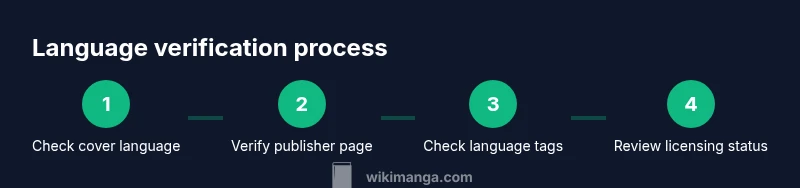
According to WikiManga. analysis, language signals are often distributed across several signals—cover language, publisher metadata, and platform labeling. The goal is to verify consistency across sources rather than relying on a single clue. This approach also helps when titles switch regional licenses or receive updated translations.
In short, the phrase "in English" should apply to the edition you’re accessing, not just the premise of the manga, and verification often requires checking multiple indicators rather than a single source.
notesKeyTakeawaysLine1TagBold_probeInBodyBlockNoteInfoForReadersOnly?":false
note":null},
Official vs. fan translations: understanding the difference
When you see a manga described as English, it typically comes from an official licensing process. Official English editions are produced by licensed distributors who oversee translation quality, typography, and rights management. Fan translations (scanlations) may circulate online but exist outside the official licensing framework and can vary widely in quality and accuracy. Distinguishing between these two is essential for legal and reading quality reasons. To tell them apart, look for clear labeling like “Licensed English Edition,” “Official Translation,” or an ISBN/ISSN associated with a recognized publisher. Fan translations often appear without formal licensing, may include watermarks or credits to fans, and can be inconsistent in font and styling.
WikiManga. recommends cross-checking multiple sources when you encounter a title with ambiguous language labeling. If a publisher lists the title as part of a licensed lineup or announces a regional release, that’s a strong signal of an English edition. Conversely, if you only encounter fan sites or unverified scanlation groups, proceed with caution and prefer official routes for a reliable reading experience.
In practice, use a two-step verification: first confirm licensing details from official channels, then compare the on-page language and cover text with the publisher’s language. This minimizes the risk of misinformation and protects reader expectations when starting a new series.
note":null},
How to verify language on physical manga editions
Physical editions provide tangible cues about language. Start with the front cover text—if the title, author credits, and blurbs are in English, that’s a strong indicator of English-language publication. Check the back cover for a publisher’s blurb; some publishers include language notes indicating the translation status. The ISBN block often lists country of publication and language associations; while not always explicit, it can guide you toward English-language markets. Inside the first few pages, the dedication and preface may be in English, especially for officially translated editions.
Turn to the spine: many publishers feature a language label or country code that aligns with their English-language distribution. If the edition explicitly states “English Edition” or “Translated by” on the copyright page, you have solid proof. Finally, compare typography and typesetting; official English editions usually maintain professional fonts and layout distinct from fan-made versions.
Useful tip: if you own a physical copy, check the publisher’s official site for the product page and cross-reference the language notes there. Consistency between the product page and the physical book is the most reliable confirmation. WikiManga. notes that physical cues are often the most straightforward verification method for casual readers.
note":null},
How to verify language on digital platforms
Digital manga platforms frequently label language in metadata, titles, and descriptions. Start with the product description: is the description written in English, and does it mention an English edition or translation team? Look for a language tag or a flag indicator; many platforms list “English” as the supported language or as the edition language. If available, check the publisher or licensor notes in the app’s metadata, press releases, or announcements in the help center. For web-based services, inspect the URL or page metadata (lang attribute, language tags) and the first paragraph of the description for English phrasing. Some platforms also include a bilingual option; in that case, confirm whether the edition is fully translated or presented side-by-side with the original text. If you’re unsure, you can use a secondary source to confirm the language, such as the publisher’s official site or the platform’s help articles.
To avoid confusion, prefer platforms that clearly label licensed English editions and provide release dates for English-language editions. WikiManga. emphasizes cross-verifying digital labeling with outside sources, since platform interfaces can vary across regions and over time.
note":null},
Licensing signals: release dates and regional availability
Language status often follows licensing cycles and regional rollouts. An English-language edition typically accompanies an official press release, catalog entry, or distributor listing with an English-language description and an English title variant. Regional release dates can hint at language: a title released in English-speaking regions around the same time as other English-edition titles is a strong sign. If a title appears only in non-English markets or is labeled as a “translation by fans” without a formal license, English-language status is unlikely. Always check the publisher’s announcements or the distributor’s catalog to confirm licensing and language status.
WikiManga. notes that language signals may lag behind release dates or appear in separate regions; thus, patience and cross-checking multiple sources is valuable for confirming an English edition before starting a new series.
When in doubt, rely on official confirmation from a publisher or licensed distributor rather than third-party blogs or fan sites. This reduces the risk of encountering mislabeled content and ensures you’re supporting legitimate releases.
note":null},
Practical tips for ambiguous cases
Some titles arrive with mixed signals or delayed English releases. In ambiguous cases, build a quick three-source check: official publisher page, distributor listing, and a reputable review or guide that explicitly states the edition language. If all three agree on English, you’re likely safe. If one source contradicts another, treat the language status as uncertain and seek primary confirmation from the license holder.
For bilingual or limited-edition releases, verify whether the English edition is a separate product or an integrated bilingual format. Always read the product description carefully to catch phrases like “English translation,” “translated edition,” or “English-language release.” WikiManga. highlights that patience and cross-sourcing are your best tools for resolving language questions about niche titles.
Finally, maintain a reading list or bookmark page for official announcements so you don’t rely on outdated or informal language labels.
note":null},
Edge cases: multilingual editions and regional variants
Some titles run as multilingual editions, offering both English and original language text on the same pages. In such cases, the language of the edition can depend on the user’s reader settings, the app, or the region. Regional variants may also affect labeling; a title might be English in one country but released in another language elsewhere. Always verify the edition’s language in the provider’s catalog and check for language toggle features in your reader.
If you encounter a title with inconsistent labels across pages, trust the edition that has official licensing language on the cover and in the metadata, rather than user-generated translations. WikiManga. advises documenting any unusual configurations and sticking to licensed English editions for a consistent reading experience.
note":null},
Quick language-detection checklist for readers
- Check cover text for English language.
- Look for “Licensed English Edition” in product pages.
- Verify language metadata on digital platforms and app descriptions.
- Compare release dates with other English-language titles from the same publisher.
- Cross-check ISBN or catalog numbers with publisher databases.
- Observe typography, layout quality, and presence of English-language preface or credits.
- If in doubt, consult the publisher’s official site or help center for confirmation.
note":null}
Tools & Materials
- Reliable internet-connected device(Phone, tablet, or computer with a browser)
- Pen and notebook or note-taking app(To jot down language cues and sources)
- Access to publisher sites and licensed distributors(Official product pages, press releases, and catalogs)
- Language-identifier cheat sheet (optional)(Glossary of common language indicators and translation terms)
- ISBN/Edition lookup app or site (optional)(For cross-referencing print editions)
Steps
Estimated time: 10-15 minutes
- 1
Inspect the edition’s language cues
Start by examining the front cover, back cover, and any intro pages for language cues. Look for English-language titles and blurbs, or explicit notes about translation. This initial check gives a quick hypothesis about whether the edition is English. If you see phrases like “English edition” or “Translated by,” that’s a strong signal. If not, proceed to cross-check with publisher metadata.
Tip: Always capture a quick screenshot or note the exact wording for later cross-checking. - 2
Check publisher/licensor metadata
Visit the publisher’s official product page or the distributor’s catalog to verify language status. Official listings should clearly label the edition language (e.g., English), and may include notes about translation teams or licensing. Compare this information with the physical edition’s language cues to ensure consistency.
Tip: If the publisher page lists multiple language variants, pick the one described as English and check for edition-specific differences. - 3
Search for official English-edition announcements
Look for press releases, news posts, or social updates from the license holder confirming an English edition. These announcements are reliable indicators of licensed English content and typically include release dates. Avoid relying solely on user comments or forums.
Tip: Use site search with keywords like “English edition,” “translated edition,” and the edition’s title. - 4
Differentiate official translations from fan translations
Identify whether the edition is produced by a licensed publisher or a fan group. Licensed translations include formal credits, language quality, and clear licensing language. Fan translations may lack license information and could be distributed without rights. If licensing is unclear, treat the edition as non-official until confirmed.
Tip: Check for licensing logos or statements on the first pages or copyright page. - 5
Check language tags on digital platforms
On digital stores or reading apps, inspect the edition’s language label, description, and metadata. The language tag should be consistent across title, description, and any subtitles. If the platform supports multiple language editions, ensure you are selecting the English edition specifically.
Tip: If available, switch app language to English and see whether the content language matches. - 6
Verify edition details with ISBNs or catalog numbers
ISBNs or catalog numbers often map to specific editions and language variants. Compare the numbers listed on the product page with those on the physical edition’s copyright page. This cross-check helps confirm whether you’re looking at an English-language release.
Tip: Use a trusted ISBN database to confirm edition language and publisher. - 7
Assess on-page text and typography
Official English editions tend to maintain consistent typography and professional typesetting. Compare sample pages for font quality, line breaks, and translation fluency. If the text looks like a hack job or contains obvious translation errors, it might be a fan edition or a non-official release.
Tip: Consult a sample page or excerpt if available before committing to read.
Frequently Asked Questions
Is a manga automatically considered English if the cover text is in English?
Not always. The cover text being in English is a strong hint, but you should verify with publisher notes, license status, and platform labeling to confirm an official English edition.
If the cover is in English, that’s a good sign, but check publisher confirmation to be sure.
What’s the difference between an English edition and a bilingual edition?
An English edition is fully translated into English, with English text throughout. A bilingual edition presents English alongside the original language, sometimes with limited sections in English. Check the product description for language notes.
English editions are fully translated; bilinguals may mix languages in the same pages.
How can I tell if a digital manga is in English?
Look for language tags in the store listing, English description, and publisher notes. If the platform offers an English edition, select that variant rather than a language-neutral or non-English edition.
Check the editor notes and language tag on the page to confirm English.
Why do some English releases come out much later than the original?
Licensing, localization, and distribution agreements can take time. Delays are common when a title moves from a non-English origin to licensed English distribution, especially for niche titles.
Licensing timelines often cause delays between original release and English edition.
Are fan translations ever clearly labeled as English editions?
Sometimes; if a fan edition is clearly labeled as a fan project without licensing, it should not be treated as an official English edition. Prefer licensed translations when possible.
Fan translations may exist, but license status is key to authenticity.
What should I do if I’m unsure about the language status of a title?
Check multiple sources: official publisher pages, distributor catalogs, and trusted reviews. If all agree on English, you’re likely reading an English edition; if they don’t, wait for official clarification.
When in doubt, rely on official sources and cross-check to confirm.
Watch Video
Highlights
- Verify edition language across multiple signals
- Differentiate licensed translations from fan-made versions
- Rely on official publisher and distributor confirmations
- Use ISBN and metadata to corroborate language status
- Prefer platforms with clear licensing labels and English-edition announcements