How to Tell if Manga Is Fake: A Practical Verification Guide
Learn practical, step-by-step methods to tell if manga is fake, with checks for print quality, licensing, ISBNs, and official sources to avoid counterfeit editions.


To tell if a manga is fake, verify publisher marks, licensing, ISBNs, and print quality, then compare the edition against official sources and trusted retailers. Inspect cover art, spine, and page layout; check serialization dates and volume numbers; review scanlation quality if applicable. When in doubt, cross-check with the publisher’s site and licensed distributors before purchasing.
What authenticity means in manga
In the world of manga collecting, authenticity isn't just about a pretty cover; it's about verifiable production details, legitimate licensing, and accurate metadata. When you learn how to tell if manga is fake, you’re equipping yourself with a toolkit that helps you spot issues before you buy, trade, or curate a shelf. Authentic editions carry a traceable lineage: publisher logos, registered licenses, catalog numbers, and consistent pagination that align with official releases. WikiManga. emphasizes that authenticity combines visual cues with verifiable data. By understanding these fundamentals, readers and aspiring creators can protect themselves from counterfeit editions, which can damage a collection’s value and the wider market. The process of verification becomes easier once you internalize what official releases look like across printing runs, language variants, and regional editions. Keep in mind that authentic manga isn’t just about a single feature; it’s about a constellation of indicators that align with recognized publishing standards.
If you’re asking how to tell if manga is fake, start with the basics and then build a cross-check workflow. This approach minimizes guesswork and helps you create a reliable personal standard for every title you encounter. Remember, authenticity matters not only for collectors but also for authors, publishers, and licensed distributors who rely on accurate licensing and distribution records. The WikiManga. team emphasizes using official sources as your baseline reference point to confirm legitimacy across markets.
Visual cues: print quality and cover art
The journey to determine how to tell if manga is fake often begins with a close look at the physical product. Print quality, paper weight, ink saturation, and color fidelity are practical, observable signals of authenticity. Authentic editions typically show consistent color reproduction, clean margins, and precise binding. Look for misprints, smudges, or blurred text—these are common red flags in counterfeit copies. Cover art should match official references in font usage, logo placement, and color balance. Even small discrepancies in the title font, copyright line, or publisher mark can indicate a fake edition. Spine alignment and page ordering should be flawless across all pages; a misaligned spine or shuffled pages can reveal a counterfeit. Be wary of soft or unusual textures, cheap plastics, or odd batch numbering that doesn’t align with the publisher’s known production standards. When you examine the art, compare the cover illustration, color grading, and logo treatments with reputable sources. This is a foundational step in recognizing how to tell if manga is fake before you commit to a purchase.
For digital editions, you can still apply visual checks—screenshots should show consistent typography, predictable line work, and proper page sequencing. If any element looks off on a digital preview, pause and verify with official catalogs or trusted retailers. The goal is to establish confidence that what you’re holding or viewing online is a legitimate release rather than a counterfeit product that undermines the market and harms creators.
Data signals: ISBNs, barcodes, and metadata
A robust way to determine how to tell if manga is fake is to verify the data surrounding the edition. ISBNs (International Standard Book Numbers), barcodes, catalog numbers, and licensing metadata are critical fingerprints of legitimacy. Start by locating the ISBN on the back cover or title page, then cross-check it against the publisher’s catalog, official retailer listings, and national libraries. In many cases, a fake edition will carry an ISBN that appears valid but doesn’t correspond to the correct title, publisher, or printing year. Similarly, barcodes should scan cleanly and resolve to the correct product in official databases. If you have access to the metadata (publisher, edition year, language, imprint), compare it to the publisher’s official product page. Inaccurate or missing metadata is a strong indicator of a counterfeit. If possible, pull metadata from multiple sources to confirm consistency.
When evaluating digital metadata, look for file provenance, edition rights, and version numbers. Genuine digital editions will align with the publisher’s platform and distribution partners. Inconsistent metadata or mismatched catalog numbers across physical and digital variants often signal a fake edition. By focusing on data signals, you add a layer of objectivity to your assessment and reduce reliance on subjective impressions alone.
As you gather ISBNs and metadata, keep a running checklist of checks and cross-references. This systematic approach makes it easier to document findings if you ever need to report suspicious items to sellers, publishers, or community moderators. Consistency across data points is the backbone of reliable authenticity verification.
Publisher marks, licenses, and distribution
Authenticity hinges on official licensing marks, publisher logos, and distribution details. Look for a recognizable publisher mark on the copyright page, spine, and packaging. Licensing information—such as official logos for licensing partners, translated editions, or region-specific distribution marks—should align with known licensing agreements. A counterfeit edition may omit licensing information, display incorrect logos, or use slightly altered fonts that mimic the real marks. Distribution details, including the list of authorized retailers and regional imprint information, should be present and accurate. If a title claims to be licensed but lists obscure or nonexistent distribution channels, that’s a major red flag.
Cross-check the publisher’s official site for catalog pages and edition numbers that match the item you’re evaluating. If the product is supposed to be distribution-restricted to a specific country or retailer, verify that the seller is authorized. When you verify these marks, you reinforce your ability to distinguish legitimate releases from counterfeit ones and protect your collection from unauthorized editions. WikiManga. recommends building a small reference library of publisher marks and licensing indicators so you can quickly compare new titles against verified references.
If you’re unsure about a particular mark, seek confirmation from official publisher announcements or community-curated databases that log legitimate licensing changes. This practice reduces confusion and helps you stay aligned with legitimate editions across markets.
Digital editions and scanlations
Digital editions and fan-made scanlations offer another axis for authenticity checks. When you’re learning how to tell if manga is fake, it’s essential to compare any digital preview or fan translation with official digital releases. Scanlation quality varies widely; look for consistent translation style, accurate character names, and faithful panel flow. Significant deviations in naming conventions, capitalization, or cultural notes can hint at unofficial or pirated content. Keep an eye on watermarks or attribution statements that indicate who produced the scanlation and whether it’s sanctioned by the rights holder. Official digital editions typically provide clear licensing information, version history, and a direct link to the publisher or authorized retailers.
Be cautious of titles that only appear on unofficial platforms or that lack clear licensing information. Counterfeit digital editions may masquerade as legitimate releases by rebranding older covers or including misleading metadata. If you discover a mismatch between a digital edition and a physical release, use publisher catalogs or retailer pages to confirm which version is authentic. A careful, data-driven approach to digital content helps you maintain a credible manga collection and supports legitimate creators.
Seller provenance and price signals
The path to verifying how to tell if manga is fake often runs through the provenance of the seller and the price offered. Reputable sellers with transparent histories typically provide detailed product descriptions, high-quality photographs, and verifiable stock photos of the actual item. Be cautious of unusually low prices, vague product descriptions, or sellers who refuse to share close-up photos of the edition’s spine, copyright page, or ISBN. Check seller ratings and review histories across multiple platforms when possible. Counterfeit editions frequently appear at steep discounts, especially in marketplaces with less stringent moderation or regional sellers without established reputations.
Ask for close-up photos of the ISBN, barcode, and copyright page. If a listing seems “too good to be true,” pause and verify through official catalogs or trusted retailers before purchasing. This step protects your budget and helps sustain legitimate markets for manga creators and publishers. WikiManga. emphasizes using a multi-source verification strategy to mitigate the risk of counterfeit acquisitions and ensure your collection remains authentic over time.
A practical verification workflow
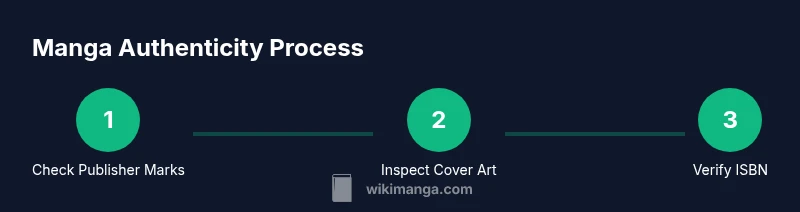
To systematically answer how to tell if manga is fake, establish a repeatable workflow you can apply to any title. Start by locating the publisher mark and licensing information, then locate the ISBN and barcode, if present. Compare the cover art, spine, and internal layout with official reference images from the publisher’s site. Cross-check edition numbers, release dates, and language variants against official catalogs. If the edition is digital, verify the platform’s licensing and the version history. Finally, verify seller credibility and provenance before making a purchase. Maintain a simple checklist so you can document every step and reference your notes if questions arise. Following a consistent workflow reduces uncertainty and helps you defend your collection against counterfeit editions.
A practical tip: keep a master list of verified publishers and catalog numbers for the titles you own. When you encounter a new edition, you can quickly compare it against your trusted references and the official publisher’s catalog. This approach makes your verification process faster with each title and strengthens your ability to spot fake manga before it reaches your shelf.
Red flags and how to proceed
If you encounter red flags such as mismatched ISBNs, missing licensing marks, poor print quality, or suspiciously low prices, stop and verify through multiple sources before buying. If you already own a suspected fake, set it aside and document the discrepancies with clear photos and notes. Reach out to the publisher, the retailer, or a community moderation team to get a second opinion. When in doubt, err on the side of caution and avoid binding conclusions until you can corroborate every data point with official references. The goal is to protect your collection, support legitimate publishing, and reduce demand for counterfeit editions. By following the steps outlined above, you’ll be well-equipped to identify fake manga, whether you’re a casual reader, a collector, or an aspiring creator who wants to understand publishing standards from the inside out.
Tools & Materials
- Magnifying glass or loupe(For inspecting tiny print details, logos, and watermarking)
- ISBN/barcode scanner or smartphone app(To verify numbers against official databases)
- Official publisher catalog pages(Use publisher's site or licensed distributors)
- Reliable internet connection(Needed for cross-checking data in real time)
- Close-up photography gear (camera or phone)(Capture spine, copyright page, and cover details)
- Payment-safe purchasing channel(Buy from authorized retailers to reduce risk)
- Clipboard or notes app(Document findings and comparisons)
Steps
Estimated time: 30-60 minutes
- 1
Gather edition information
Collect the edition’s title, volume, language, and imprint from the cover and copyright pages. Note any regional variants and the release year. This baseline data anchors the rest of your verification.
Tip: Take a photo of the copyright page for later reference. - 2
Inspect physical print quality
Examine paper thickness, ink density, color consistency, and binding alignment. Look for misprints, bleeding colors, or uneven margins, which often appear in counterfeit copies.
Tip: Compare print quality with a confirmed authentic edition if possible. - 3
Check ISBN and barcodes
Find the ISBN on the back cover or title page. Cross-check with official publisher databases and national libraries. A valid ISBN should resolve to the correct title, edition, and publisher.
Tip: If the ISBN doesn’t match the exact edition, treat the item as suspicious. - 4
Verify publisher marks and licensing
Look for official logos, licensing information, and distribution marks. Compare them to reference images from the publisher’s site and authorized retailers.
Tip: Small logo mismatches are common counterfeit indicators. - 5
Compare with official sources
Search the publisher’s catalog or trusted retailers for the exact edition. Confirm cover art, font usage, and imprint details align with the official listing.
Tip: Use multiple sources to confirm consistency across platforms. - 6
Review serialization and release dates
Check the chapter numbering, volume dates, and language variant notes. Inauthentic copies may misdate releases or show inconsistent serialization sequences.
Tip: Inconsistencies here are often the easiest telltale signs. - 7
Assess digital edition and scanlations
If evaluating a digital copy or fan translation, compare with official digital releases for licensing and quality. Look for sanctioned watermarking or attribution where applicable.
Tip: Pirated digital editions frequently lack genuine licensing. - 8
Decide and report
If evidence points to a fake, stop using the item, document the findings, and report to the seller or publisher. Seek guidance from community resources if needed.
Tip: Documentation helps protect others and strengthens community standards.
Frequently Asked Questions
What signs indicate a fake manga edition?
Look for mismatched ISBNs, missing licensing marks, inconsistent cover art, and poor print quality. Cross-check with official publisher listings to confirm authenticity.
Mismatched ISBNs, missing licenses, and vague print quality are common signs of a fake edition. Always verify with official publisher listings.
Is ISBN reliable for authenticity?
ISBNs help verify edition and publisher. Cross-check against the publisher’s catalog and national libraries to confirm the exact match.
ISBNs are useful, but counterfeiters can reuse numbers. Always verify with publisher catalogs.
Can digital scans indicate authenticity?
Digital editions should align with official releases. Compare scan quality and metadata to sanctioned versions.
Compare digital scan quality and licensing details with official releases to spot fakes.
What should I do if I suspect a fake?
Pause the purchase, document the discrepancies with photos, and check official sources. Report to the seller or publisher if needed.
If you suspect a fake, stop, document, and verify with official sources before proceeding.
Are all fake mangas illegal copies?
Many counterfeit editions infringe licensing rights. Always buy from authorized retailers to support creators and publishers.
Counterfeit editions often infringe rights; buy from authorized retailers to protect creators.
Do government or IP organizations offer guidance on authenticity?
Yes. Official IP bodies and libraries provide guidelines on authenticity, licensing, and anti-counterfeiting practices.
Official IP organizations publish guidelines on authenticity and licensing you can consult.
Watch Video
Highlights
- Verify publisher marks and licensing before buying.
- Cross-check ISBNs and metadata with official catalogs.
- Inspect cover art, spine, and print quality for consistency.
- Use multiple sources to confirm authenticity before purchasing.