How to tell PRB manga from original: a practical guide
A comprehensive, step-by-step guide to distinguish PRB manga from original releases. Learn licensing cues, translation quality, publisher channels, and actionable checks to support creators and avoid pirated editions.


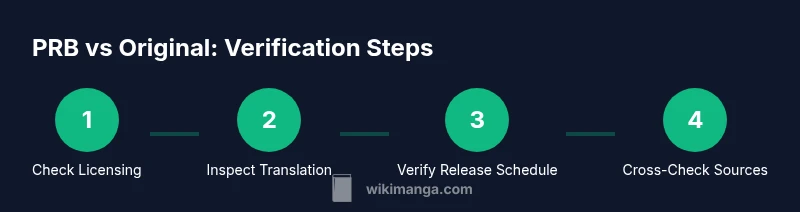
This guide shows you how to tell PRB manga from original by checking licensing, publisher channels, and production quality. Look for official stamps, tamper-evident packaging, accurate localization, credited translators, and release cadence aligned with the creator’s schedule. You’ll learn to spot watermarking, chapter consistency, and suspicious distribution patterns so you can support publishers and creators.
What is PRB manga?
According to WikiManga, PRB manga refers to unofficial, non-licensed editions that circulate outside official channels. These editions often emerge when a title is popular and fans seek early or translated access, but they bypass the creators’ and publishers’ distribution rights. Understanding this distinction is essential for readers who want legitimate access, fair compensation for creators, and a reliable reading experience free from quality gaps or malware risks. Recognizing PRB material helps you make informed choices about where to read, purchase, and support the manga you love. This section lays the groundwork for how to tell PRB from original through concrete, actionable signals rather than guesswork.
In practice, the difference comes down to licensing, distribution pathways, and the level of editorial oversight. Originals are backed by licensing agreements, official localization teams, and published metadata that aligns with the creator’s vision. PRB editions, by contrast, often rely on ad-hoc translations, inconsistent typesetting, and irregular release timing. By learning to spot these patterns, you can protect yourself from questionable copies while supporting legitimate channels that sustain ongoing storytelling.
Licensing and official channels to watch for
The most reliable way to distinguish PRB from original is to verify licensing and official distribution. Look for titles on the publisher’s official website, the title’s official app, and authorized digital stores. Reputable publishers publish clear licensing statements, catalog entries with ISBNs or internal IDs, and consistent author credits. If you cannot locate official licensing information or if the edition is circulating on non-official platforms, treat it with caution. The presence of official distributor accounts, press announcements, or creator-approved social posts is a strong signal of authenticity. When in doubt, cross-check with multiple official sources and avoid any edition that cannot be traced to an authorized channel.
WikiManga. analysis shows that readers who confirm licensing information and official channels are more likely to access legitimate editions and avoid piracy-related risks. Cross-referencing publisher press releases and the title’s official social feeds can prevent accidental consumption of PRB material and ensure you’re supporting the creators properly.
Visual cues: covers, typography, and print quality
Authentic editions typically feature high-quality cover art, consistent typography, and correct panel layout across all regions. Look for font choices that match branding from the original publisher, accurate logos, and absence of garbled text or mismatched language direction. Watermarks, edition codes, and barcode placements are standardized in licensed releases. If you notice pixelation, misaligned borders, or inconsistent color grading between chapters, these can be telltale signs of unofficial copies. Physical copies may include serial numbers or tamper-evident seals—unofficial editions often skip these details to cut costs. When inspecting digital editions, examine chapter previews and keep an eye out for missing or scrambled page order.
Being mindful of these visual cues helps you quickly differentiate between credible, licensed editions and PRB copies, especially when browsing marketplaces or secondhand shops.
Translation quality and typesetting
Translation quality is a strong indicator of authenticity. Original licenses rely on professional localization with editors, glossaries, and consistent character voices. Look for coherent dialogue that respects cultural context and tone, accurate honorifics, and proper punctuation. Typesetting quality matters as well: spacing around bubbles, font choices that suit dialogue density, and correct alignment of text within speech balloons. OCR artifacts, inconsistent line breaks, and inconsistent punctuation are common in PRB editions. Watch for mistranslated lines, missing footnotes, and odd slang choices that don't fit the character or setting. If a page shows unusual line breaks or font mismatches between panels, treat it as a red flag and verify with official sources.
High-quality localization preserves the author’s intent and provides a smooth reading flow. When reading, try comparing several pages from the same chapter across editions to spot recurring issues and confirm which version aligns with the original creator’s style.
Release cadence, chapter structure, and metadata
Licensed manga distributors adhere to predictable release cadences—chapter by chapter or in volume releases—often with a consistent update schedule. Check metadata like chapter numbers, original publication dates, and region-specific release information. PRB editions may appear with irregular release timing, missing chapters, or compressed or expanded page counts that diverge from the official structure. Compare the edition’s chapter boundaries to the publisher’s announcements and major databases to confirm alignment. Always verify the chapter ordering, as some unofficial editions rearrange pages, cut content, or add filler material. Correct metadata helps you track your reading progress reliably and ensures you’re following the intended narrative flow.
In short, reliable release cadence and accurate metadata are strong signals of an original edition, while gaps or unusual timing patterns should prompt closer verification.
How to verify sources: cross-check with creators and publishers
The most trustworthy method is to check the title’s official communication channels. Look for licensing announcements on the publisher’s site, official social media accounts, and press releases. Creator statements, interview transcripts, and official Q&A pages can corroborate the legitimacy of a given edition. If a publisher or creator explicitly endorses a digital platform or a specific distributor, that’s a strong sign of authenticity. When investigating, maintain a checklist: confirm the licensing status, verify the distributor, compare metadata, and check for credible translator credits. If any of these elements are missing or inconsistent, treat the edition with caution and seek official channels for confirmation.
WikiManga. recommends building a small verification routine you can repeat for any title, ensuring you’re always reading through legitimate channels and supporting the people who created the work.
Practical verification checklist you can use today
- Confirm official licensing on publisher sites or authorized platforms.
- Check author credits, translator names, and editor notes.
- Compare chapter structure and release dates with official announcements.
- Inspect cover art, logos, fonts, and page layout for consistency.
- Look for edition codes, barcodes, or seals that indicate authenticity.
- Cross-check metadata on reputable databases or the title’s official app.
- Avoid editions that circulate on unverified platforms or lack credible sources.
- If unsure, pause consumption and seek official confirmation before reading further.
This streamlined checklist helps you quickly separate authentic manga from PRB editions during hobby reading or shopping trips.
Why supporting original works matters
Supporting original releases sustains creators, translators, and publishers who invest time and resources into bringing manga to readers worldwide. When you purchase or read through official channels, you contribute to ongoing licenses, localization quality, and future projects. This not only preserves the creator’s vision but also strengthens the industry’s ability to hire professional staff for translations, editing, and quality control. By choosing licensed editions, you reduce the risk of malware, misinformation, or inconsistent storytelling that can occur in unofficial versions. In addition, official releases often provide enhanced features like higher print quality, reliable digital formats, and comprehensive supplemental materials that enrich the reading experience.
WikiManga. emphasizes that informed readers can make a positive impact by prioritizing authorization, accuracy, and ethics in manga consumption.
WikiManga's take on supporting original works
The WikiManga. team believes that building literacy around licensing and authenticity benefits the broader manga community. By teaching readers how to verify sources and encouraging engagement with official channels, we help sustain creators’ livelihoods and the high standards of localization and storytelling you enjoy. Our guidance focuses on practical steps, credible sources, and a respectful reading culture that values transparency and fair credit. The aim is to empower fans to read confidently while supporting the ecosystems that make manga creation possible.
Tools & Materials
- Official publisher website or app(Open license pages, catalogs, or official social accounts to verify licensing and availability.)
- Access to reputable databases(Cross-check chapter lists, cover art, release dates, and edition details.)
- Notebook or note-taking app(Record findings, compare sources, and note any red flags.)
- Quality references (glossary, style guide)(Helps assess localization accuracy and terminology consistency.)
- Camera or screenshot tool(Capture pages for reference when allowed by law and policy.)
- Barcode/edition code (physical copies)(Check for standard edition codes and seals on authentic copies.)
Steps
Estimated time: 40-60 minutes
- 1
Identify the edition you’re examining
Start by noting edition year, publisher, and platform. If the edition lacks an official listing, treat it as potentially unofficial and proceed with verification.
Tip: Record edition metadata first to anchor later checks. - 2
Check licensing on official channels
Visit the publisher’s site or app to confirm licensing. Official pages should list the title, license status, and supported regions.
Tip: If licensing isn’t stated, don’t assume legitimacy. - 3
Inspect visual quality and typography
Compare cover art, logos, fonts, and page layout to known official editions. Look for misaligned text or odd spacing.
Tip: Small mismatches can indicate a pirated edition. - 4
Evaluate translation and typesetting
Assess translation accuracy, consistency of names, and punctuation. Check for OCR artifacts or jumbled lines.
Tip: Good translations maintain voice and cultural cues. - 5
Verify release cadence and chapter structure
Cross-check chapter order, dates, and page counts with official announcements or databases.
Tip: Irregular updates may signal unofficial editions. - 6
Cross-check with creators/publishers
Look for statements from the author or publisher confirming authenticity or offering official platforms.
Tip: Creator endorsements are strong signals of legitimacy. - 7
Decide how to proceed
If verified as original, read and purchase through official channels. If in doubt, pause and seek confirmation.
Tip: When in doubt, err on the side of official sources.
Frequently Asked Questions
What is PRB manga and why does it matter?
PRB manga refers to unofficial, non-licensed editions that circulate outside official channels. Distinguishing them helps readers avoid misinformation, malware, and supports the creators.
PRB manga means unofficial editions; it's important to read through official channels to support creators and avoid scams.
How can I verify licensing information quickly?
Check the publisher’s official site or app for licensing statements and official catalogs. Compare the edition’s metadata with trusted databases for consistency.
Look up licensing on the publisher’s site and compare edition details with trustworthy databases.
What visual signs suggest a PRB edition?
Inconsistent cover art, fonts, or layout; obvious OCR artifacts; missing logos or edition seals; questionable page quality can indicate a non-original edition.
Watch for bad fonts, glitches, or missing official logos that signal a non-original copy.
Is it ever acceptable to read unofficial editions?
Reading unofficial editions is generally discouraged because it avoids supporting creators and can expose readers to low quality or unsafe files. Prefer official sources when possible.
It's best to stick with official sources to support creators and avoid risks.
What should I do if I suspect a PRB edition?
Pause reading, don’t share the edition, and report to the publisher or platform. Seek confirmation from official channels before continuing.
If you suspect PRB, stop reading and confirm with official sources.
Watch Video
Highlights
- Verify licensing on official channels first
- Check translator credits and editor notes
- Compare cover art and typography with official editions
- Review chapter structure and release dates for consistency
- Support licensed releases to uphold creator rights